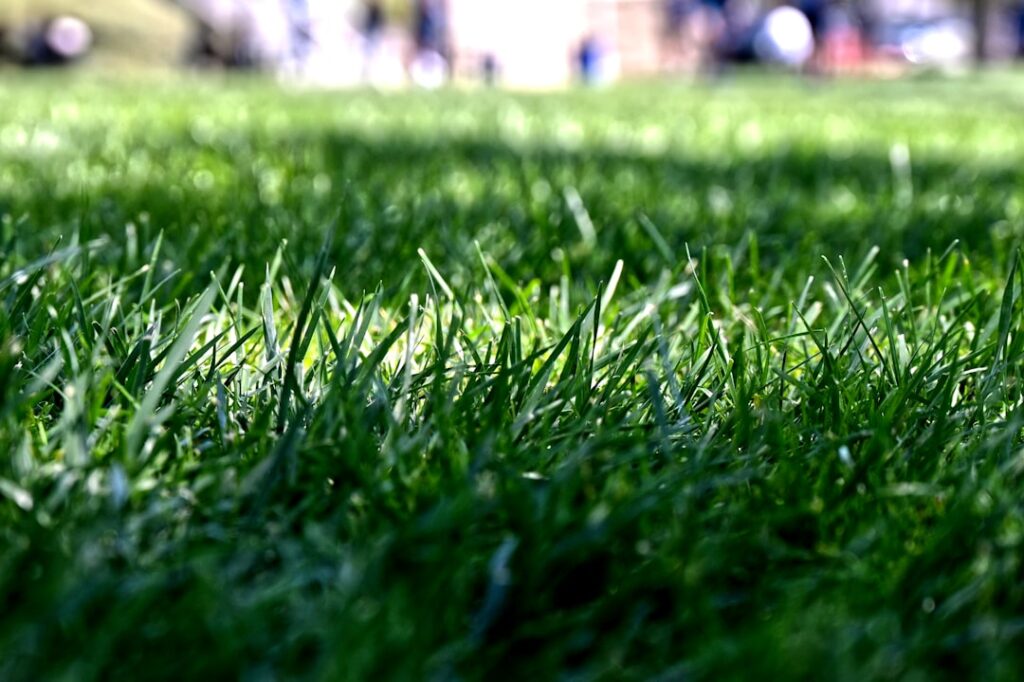
That thin, patchy strip of lawn under your maple tree is not your fault; it is a mismatch between the grass and the light it receives. Finding grass that grows well in shade is the difference between fighting bare dirt every spring and enjoying a soft green carpet even where the sun barely reaches. No turfgrass truly thrives in deep shade, but several species tolerate 3 to 4 hours of filtered light far better than the sun-loving varieties most lawns are seeded with.
The key is picking a species suited to both your shade level and your climate zone, then giving it the specialized care shaded turf demands. Cool-season and warm-season grasses handle shade differently, so start by knowing which region you are in. With the right variety and a few adjustments, you can green up spots that have defeated you for years.
- Understanding How Much Shade You Have
- Best Cool-Season Grasses for Shade
- Best Warm-Season Grasses for Shade
- Mowing and Care Adjustments for Shaded Turf
- Managing the Trees Above the Grass
- Alternatives When Grass Simply Won't Grow
- Watering and Feeding Shaded Turf Correctly
- Seeding and Establishing a Shade Lawn
Understanding How Much Shade You Have
Not all shade is equal, and honest assessment saves you from wasted seed. Light or dappled shade, the kind under a high-limbed tree that lets sunlight flicker through for several hours, supports many grasses. Partial shade, roughly 3 to 4 hours of direct or bright filtered light, is workable with the right species. Dense shade under evergreens or on the north side of a two-story house, where less than 3 hours of light reaches the ground, will not sustain any lawn grass.
For those deepest spots, stop fighting nature. A shade-tolerant groundcover, mulch bed, or native woodland planting will look far better than perpetually failing turf. Reserve your grass efforts for areas that get at least a few hours of usable light, and match the species below to what you realistically have.
Best Cool-Season Grasses for Shade
In the northern two-thirds of the country, fine fescues are the champions of shade. This group, including creeping red fescue, chewings fescue, and hard fescue, tolerates as little as 3 to 4 hours of light, needs less water and fertilizer than most turf, and stays green in conditions that starve Kentucky bluegrass. Fine fescues are the backbone of nearly every quality shade seed mix for cool climates.
Tall fescue is another strong performer, more sun-flexible than fine fescue but still tolerant of moderate shade, with deep roots that handle drought and foot traffic. Turf-type tall fescue makes an excellent all-around shade lawn where you also get some sun. Kentucky bluegrass, by contrast, demands full sun and struggles in shade, so if it dominates your current seed, that alone may explain your bare patches.
Best Warm-Season Grasses for Shade
In the South, St. Augustine grass is the most shade-tolerant of the warm-season options, holding its own with about 4 to 5 hours of filtered light. Its broad, coarse blades and vigorous runners fill in beneath live oaks and other high-canopy trees where Bermuda grass would thin out to nothing. It is the default choice for shaded southern lawns for good reason.
Zoysia grass is a solid second, tolerating light to moderate shade better than most warm-season turf while forming a dense, cushiony mat. Bermuda grass, though tough and popular, is decidedly a full-sun species and the wrong pick for any shaded area. If your southern lawn is struggling under trees, transitioning those zones to St. Augustine or a shade-rated zoysia usually solves the problem.
Mowing and Care Adjustments for Shaded Turf
Shaded grass needs different handling than sunny turf, and small changes make a big difference. Mow higher, leaving shade grass at 3 to 4 inches rather than the 2 to 2.5 inches common for sunny lawns. Taller blades capture more of the limited light, which the plant desperately needs to feed itself. Cutting shade grass short is one of the most common and fatal mistakes homeowners make.
Ease off the nitrogen. Shaded grass grows slower and cannot use heavy feeding, so apply roughly half the fertilizer you would give a sunny lawn to avoid pushing weak, disease-prone growth. Water deeply but less often, since shaded soil dries slowly and overwatering invites fungus. Because shade already stresses the turf, minimize foot traffic on these areas, which recover far more slowly than sun-grown grass.
Managing the Trees Above the Grass
Sometimes the fastest way to grow grass in shade is to let in more light. Selectively thinning or raising the lower limbs of dense trees, a practice called crown raising, can transform deep shade into workable dappled light without harming the tree. Even removing a few interior branches to open the canopy lets enough sun through to tip the balance in your grass’s favor.
Remember that trees compete for more than light; their roots aggressively take water and nutrients from the top layer of soil where grass roots live. Grass under trees may need slightly more frequent watering and feeding to make up for that competition, even as you keep total fertilizer modest. Rake fallen leaves promptly in autumn, since a smothering leaf layer will kill shade grass that is already living on the edge.
Alternatives When Grass Simply Won’t Grow
Sometimes the honest answer is that a spot is too dark for any lawn, and forcing it wastes seed and money year after year. Rather than reseeding the same bare patch each spring, consider a shade-tolerant groundcover that will actually thrive where turf cannot. Options like creeping mazus, sweet woodruff, ajuga, pachysandra, and creeping Jenny form dense, low mats in shade, need no mowing, and often look lusher than the thin grass they replace. In deep, dry shade under evergreens, a mulch bed studded with hostas, ferns, and heucheras turns a problem area into a genuine garden feature.
Moss is another underappreciated solution for damp, deeply shaded ground where grass has no chance. In the right conditions it forms a soft, emerald carpet that needs no mowing, fertilizing, or watering once established, and it is increasingly embraced as a low-maintenance shade lawn in its own right. For high-traffic shaded paths, stepping stones or a gravel walkway set into groundcover eliminates the wear problem entirely. Matching the planting to the site, rather than fighting it, almost always produces a better-looking, lower-effort result than a lawn that struggles no matter what you do.
Watering and Feeding Shaded Turf Correctly
Shaded ground behaves differently from sunny turf, and watering it on the same schedule is a common way to kill it. Because less sun reaches the soil, it dries out slowly and stays damp longer, so shaded grass needs deeper, less frequent watering, roughly one inch per week including rain, delivered in one or two soakings rather than daily sprinkling. Frequent shallow watering keeps the surface constantly wet, which invites the fungal diseases that already thrive in shade’s cooler, still air. Water early in the morning so blades dry by midday.
Feeding follows the same restraint. Apply about half the nitrogen you would give a sunny lawn, since shaded grass cannot photosynthesize enough to use heavy fertilizer and responds by growing thin, weak, and disease-prone. A light spring and early-fall feeding with a slow-release fertilizer is plenty. Improve air circulation where you can by keeping the area free of leaf litter and dense shrubs, and rake or blow leaves off promptly in autumn, since even a thin mat of wet leaves will smother shade grass that is already living on a tight light budget.
Seeding and Establishing a Shade Lawn
Timing and seed choice determine your success. For cool-season grasses, seed in early fall when soil is still warm but nights cool, giving fescues a full season to establish before summer stress. Buy a quality shade or dense-shade mix rather than a generic sun-and-shade blend, since the premium mixes carry a higher percentage of true shade species. For warm-season lawns, plug or sod St. Augustine and zoysia in late spring as soil warms.
Prepare the ground well: loosen compacted soil, rake to good seed-to-soil contact, and keep the surface consistently moist until germination, which for fine fescue takes 7 to 14 days. Once established, resist the urge to overseed too heavily; shaded turf naturally grows thinner than sunny turf, and a slightly open stand is normal and healthy. With the right grass that grows well in shade and a patient, light-touch care routine, even the dimmest corners of your yard can carry a respectable green lawn.