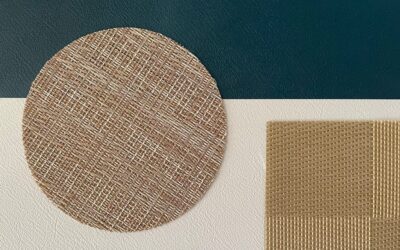
Real grasscloth is one of the few wall finishes that is supposed to look imperfect. Grasscloth wallpaper is made by weaving natural fibers such as sea grass, jute, sisal, arrowroot, or hemp and laminating them to a paper backing, so every roll carries slight shifts in color, knots, and visible seams. Homeowners who expect a uniform vinyl look are often disappointed, while those who want warmth and texture love it. Knowing how it behaves before you buy is the difference between a stunning accent wall and an expensive regret.
Part of our Paint & Walls guide — explore the full guide →
In short, natural grasscloth works best in dry, low-traffic rooms such as living rooms, dining rooms, bedrooms, and home offices. It struggles in bathrooms with showers, kitchens near the stove, and kids’ rooms where hands and spills are common. It requires careful hanging with a clear paste and gentle technique, and it cannot be scrubbed. If those limits fit your space, few finishes add as much depth.
- What Makes Grasscloth Wallpaper Different
- Pros and Cons of Natural Grasscloth
- Grasscloth Colors and Styles
- Real Grasscloth vs Vinyl Look-Alikes
- Tools and Materials
- How to Hang Grasscloth Wallpaper
- Cleaning and Care
- Where Grasscloth Fails
- Troubleshooting
- Cost of Grasscloth Wallpaper
- Frequently Asked Questions
What Makes Grasscloth Wallpaper Different
Most wallpaper is printed. Grasscloth is woven. Strands of plant fiber run horizontally across a cotton or synthetic warp thread, then the weave is glued to paper. That construction gives the surface its depth, and it also explains its quirks.
- Color variation: natural fibers absorb dye unevenly, and plant material varies from harvest to harvest. Two rolls, or even two ends of one roll, can differ noticeably.
- Visible seams: because the weave does not repeat, strips cannot be pattern-matched. Each seam shows as a slight line or shading change.
- Texture: the surface has a real three-dimensional feel, which helps hide minor wall imperfections.
- Sensitivity to water: paste, splashes, and humidity can stain or loosen the fibers.
Manufacturers usually print a disclaimer on the label stating that shading and seams are characteristics of the product, not defects. Read it before you order so expectations match the material.
Pros and Cons of Natural Grasscloth
Pros
- Warm, organic texture that printed papers cannot copy
- Hides small dents, hairline cracks, and uneven drywall
- Adds a quiet acoustic softness to a room
- Pairs well with wood, linen, leather, and stone
- Natural fiber, renewable materials
Cons
- Seams and color shifts are always visible to some degree
- Cannot be scrubbed or washed with water
- Stains easily from paste, grease, and splashes
- Fades in direct sun over time
- Cats may treat it as a scratching surface
- Costs more than most printed papers and takes skill to hang
Grasscloth Colors and Styles
Color choice affects how much variation you notice. Lighter and natural shades show the fiber texture gently, while saturated colors exaggerate seams and shading.
- Natural grasscloth wallpaper: undyed tans, wheat, and straw tones show the least seam contrast and feel the most relaxed.
- White grasscloth wallpaper: crisp and bright, though bleached fibers can show dirt and paste marks more easily.
- Blue and navy grasscloth wallpaper: popular for dining rooms, studies, and powder rooms without showers. Deep navy looks rich, but expect more visible shading between strips.
- Green grasscloth wallpaper: sage and olive tones suit traditional and coastal rooms and hide minor variation well.
- Black grasscloth wallpaper: dramatic in a small room or behind a bed. Dark dyes make seams more apparent, so hang it with extra care.
- Metallic grass wallpaper: fibers with a metallic wash or backing catch light and add shimmer while keeping the woven look.
- Patterned grasscloth wallpaper: printed motifs over the weave, such as geometrics or botanicals. These may require some matching at seams.
Textured grasscloth wallpaper ranges from a fine, tight weave that reads almost like linen to coarse, chunky fibers with knots and slubs. Ask for samples of two or three options and tape them to the actual wall for a few days so you see them in morning and evening light.
Room size changes the math as well. In a large living room, subtle shading between strips spreads across a wide wall and reads as natural movement. In a small powder room or a narrow hallway, the eye sits close to every seam, so a lighter, natural shade or a tight weave usually looks more polished. Lighting matters too: a wall washed by a sconce or a window from the side exaggerates texture and seams, while even, front-facing light softens them. Before committing, hang one full-width sample strip with painter’s tape and view it at night with your normal lamps on.
Real Grasscloth vs Vinyl Look-Alikes
Vinyl and peel-and-stick versions print a grasscloth pattern onto a washable surface. They tolerate humidity and scrubbing and are easier to hang, but they lack the true depth of woven fiber. Real grasscloth wallpaper wins on texture and character; vinyl wins in bathrooms, kitchens, and busy family spaces. Many designers use natural grasscloth in formal rooms and a vinyl look-alike in the powder room or mudroom for a consistent style.
Tools and Materials
- Clear, non-staining wallpaper adhesive recommended for natural fibers
- Wallpaper primer suited to the wall surface
- Paint roller and tray for applying paste to the back of strips
- Wallpaper smoothing tool kit with a soft brush and plastic smoother
- Sharp snap-off utility knife and plenty of fresh blades
- Metal straightedge and level or laser line
- Seam roller (used gently)
- Clean, dry cloths and a separate damp sponge for the wall only
- Stepladder and drop cloths
How to Hang Grasscloth Wallpaper
Hanging natural grasscloth is not harder than other papers in theory, but it is far less forgiving. Plan the layout carefully and keep the face clean at all times.
- Prepare the wall. Repair holes, sand smooth, and apply a wallpaper primer. The primer helps the paste grab and makes future removal much easier.
- Check roll numbers. Confirm every roll has the same run or batch number. Unroll several and lay them out to compare color before cutting.
- Reverse-hang if the instructions call for it. Many makers recommend flipping every other strip top to bottom so shading along each edge matches its neighbor.
- Plan seams. Start in the least visible corner and avoid placing a seam at the center of a focal wall.
- Cut strips. Leave 2 to 3 inches extra at top and bottom.
- Paste the back. Roll an even, thin coat of paste on the backing, never on the face. Book the strip loosely by folding the pasted sides together and let it relax for the time the label suggests.
- Hang the first strip to a plumb line. Smooth gently from the center outward with a soft brush. Heavy pressure can crush fibers or push paste through.
- Butt each seam. Butt the next strip edge-to-edge without overlap. Press seams lightly with a roller; avoid rubbing.
- Trim cleanly. Change blades every few cuts. A dull blade drags fibers and leaves fuzzy edges.
- Keep paste off the face. If any gets on the front, blot immediately with a clean, dry cloth. Wiping with water usually leaves a stain.
Plan for more waste than with printed papers, since you may skip sections of a roll with an obvious color shift. Ordering one or two extra rolls from the same batch is cheap insurance.
Cleaning and Care
Dust grasscloth with a soft brush attachment on a vacuum every month or two. For small marks, try a dry art eraser or a dry sponge made for soot. Avoid water, spray cleaners, and solvents, all of which can leave rings or bleach the dye. Keep window treatments partly closed during peak sun to slow fading, and keep humidity moderate. If a strip is badly stained, the cleanest fix is replacing that single strip, which is why saving a leftover roll makes sense.
Where Grasscloth Fails
- Full bathrooms: shower steam loosens paste and stains fibers.
- Behind sinks and cooktops: splashes and grease leave permanent marks.
- Kids’ rooms and high-touch hallways: hands, crayons, and backpacks wear the surface.
- Homes with cats: claws can snag and pull fibers.
- Sun-drenched walls: strong light fades dyed colors unevenly.
Troubleshooting
- Seams look darker: paste squeezed through or the edges were rolled too hard. Use less paste and lighter pressure.
- Edges lifting: paste dried too fast or the wall was not primed. Lift gently and add a small amount of seam adhesive.
- Water rings on the face: usually permanent. Replace the strip.
- Strips look like different colors: mixed batch numbers or no reverse hanging. Arrange strips by shade so transitions are gradual.
Cost of Grasscloth Wallpaper
Natural grasscloth costs more than most printed wallpapers, with premium handwoven and specialty-fiber options at the top of the market. Professional installation is also priced higher than standard paper because of the care involved, often charged per roll or per wall. A single accent wall keeps the total manageable, while a full room in a high-end weave is a significant investment. Hiring an experienced paperhanger who has worked with natural fibers before is well worth it for dark colors and large rooms.
Frequently Asked Questions
Are the seams on grasscloth supposed to show?
Yes. Because the weave cannot be pattern-matched, seams are always visible to some degree. Careful hanging and reverse hanging help reduce how noticeable they are.
Can you use grasscloth wallpaper in a bathroom?
Only in a powder room without a shower, and even then keep it away from the sink. For full bathrooms, choose a vinyl grasscloth look-alike.
How do you clean grasscloth?
Vacuum with a soft brush and use a dry eraser sponge for marks. Avoid water and spray cleaners, which tend to leave stains.
Is grasscloth hard to remove?
It comes off more easily when the wall was primed with a wallpaper primer first. Without primer, the backing can tear and leave residue that needs soaking and scraping.
Does grasscloth fade?
Dyed grasscloth can fade in strong direct sunlight. Natural, undyed shades show fading the least.