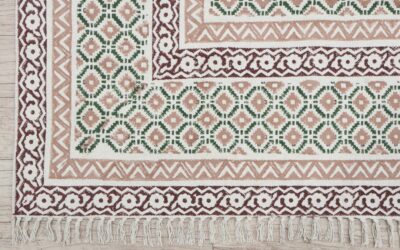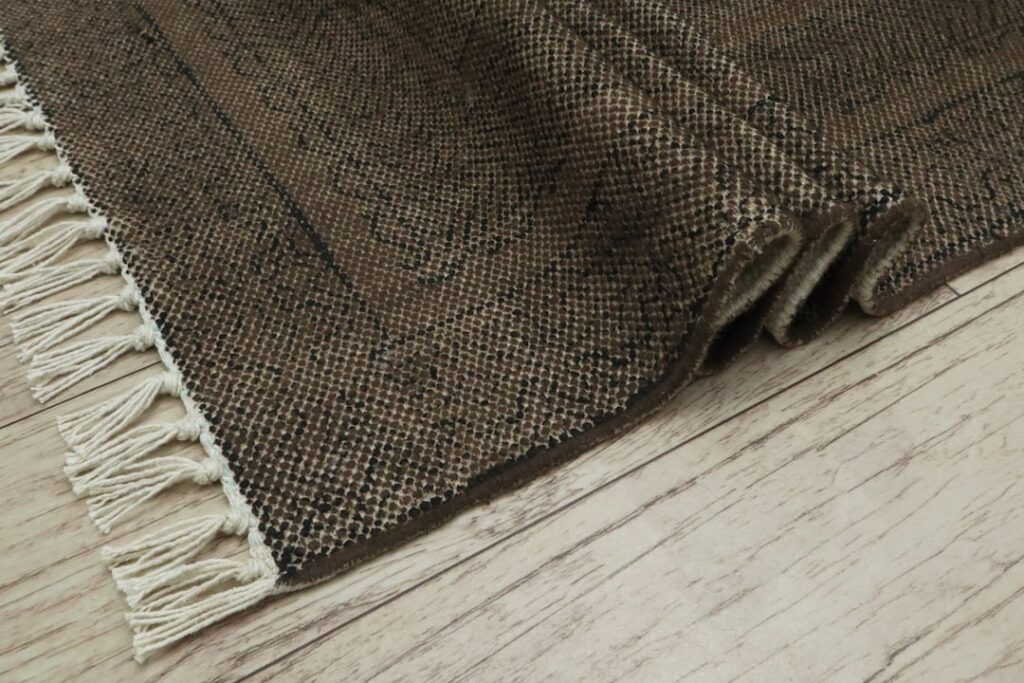
If you want a room that feels calm, grounded, and effortlessly put together, a green and brown rug does more design work than almost any single piece of furniture you can buy. Green and brown are the colors of the outdoors, and our eyes read them as restful and natural, which is why this pairing anchors everything from rustic cabins to modern organic living rooms. The trick is choosing the right shades and the right size so the rug grounds the space instead of fighting it.
This guide covers how to style a green-and-brown rug, what materials hold up, how to size and place it, and how to keep those earthy tones looking rich for years.
Why Green and Brown Work So Well Together
This combination is borrowed straight from nature, where brown earth meets green foliage in every landscape. Because the pairing already feels familiar and balanced, it forgives a lot. Brown brings warmth and stability; green adds life and freshness. Together they create a neutral-but-not-boring foundation that plays nicely with wood furniture, leather, woven textures, and houseplants. It’s a palette that reads as both cozy and current.
Choosing the Right Shades
“Green and brown” covers an enormous range, and the specific tones set the whole mood of the room.
- Sage green with tan or camel brown: Soft, airy, and modern. Great for light-filled living rooms.
- Olive or moss green with chocolate brown: Deep and grounding, perfect for dens, libraries, and rustic spaces.
- Emerald or forest green with warm walnut: Rich and a touch luxurious, especially in jewel-toned or traditional rooms.
- Muted earth tones blended together: A heathered, organic look that hides dirt and suits high-traffic family rooms.
Pull a shade from something already in the room, a throw pillow, a plant, a piece of art, so the rug looks intentional rather than random.
Best Rooms for a Green and Brown Rug
This palette is versatile, but it shines in spaces where you want warmth and a connection to nature. Living rooms benefit most, since the rug ties together sofas, wood tables, and greenery. Bedrooms gain a serene, spa-like calm from softer sage-and-tan combinations. Home offices feel focused and grounded with deeper olive tones. Sunrooms and reading nooks practically beg for this color story because it echoes the view outside the window.
Materials and Construction
The right material depends on the room and the traffic it sees.
- Wool: Naturally rich color depth, durable, and resilient. The premium choice for living rooms and bedrooms.
- Jute and sisal: The brown often comes built-in from natural plant fibers, paired with green accents. Textural and casual, ideal for layering.
- Polypropylene: Stain-resistant and budget-friendly, great for families, kids, and pets.
- Viscose blends: Add a subtle sheen that makes greens look vivid, but better suited to low-traffic rooms.
For a rug that takes daily life, wool or a quality polypropylene gives you the best balance of color richness and durability.
Sizing and Placement
A rug that’s too small is the most common mistake, and it makes a room feel choppy. In a living room, aim for a rug large enough that at least the front legs of every seating piece sit on it; a fully-on-rug arrangement looks even more intentional. Leave a consistent border of flooring around the edges, usually 8 to 18 inches depending on room size. In a bedroom, the rug should extend 18 to 24 inches beyond the sides and foot of the bed so your feet land on softness when you get up.
Common sizes to consider: 5×8 for small spaces and under coffee tables, 8×10 for standard living rooms, and 9×12 for large open areas.
Styling Tips
Let the rug lead and build the room around its tones. Echo the green in a few pillows or a plant grouping, and repeat the brown in wood furniture or a leather chair so the palette feels woven through the space. Keep walls neutral, warm white, greige, or a soft taupe, to let the rug be the focal point. Add natural textures like rattan, linen, and ceramic to lean into the organic feel. If the room risks reading flat, a single brass or black metal accent sharpens the whole look.
Caring for Earthy Tones
Rich greens and browns hold up well, but they still need care. Vacuum regularly to keep grit from dulling the fibers, and rotate the rug periodically so sun exposure fades it evenly rather than in patches. Blot spills immediately and avoid harsh cleaners that can lighten dyes. For wool and viscose, stick to professional cleaning; synthetics tolerate gentle spot-cleaning at home. Keep direct, all-day sun off the rug when you can, since prolonged UV will mute even the deepest forest green over time.
Patterns and Motifs to Consider
Green and brown work across a wide range of patterns, and the motif you choose nudges the room in a particular direction. Botanical and leaf prints lean hard into the nature theme and feel fresh and organic, perfect for sunrooms and casual living spaces. Traditional Persian and oriental designs often pair deep greens with rich browns and read as timeless and refined. Geometric and tribal patterns give the palette a modern, grounded edge that suits contemporary rooms. A solid or subtly heathered rug in blended earth tones is the most versatile of all, letting your furniture and art carry the visual interest while the rug simply anchors everything. If your room already has a lot going on, lean toward a quieter rug; if the space feels flat, a bolder green-and-brown pattern can be exactly the jolt of personality it needs. Match the pattern’s mood to the room’s, and the palette does the rest.
The Bottom Line
A green and brown rug is one of the most reliable ways to give a room a warm, natural, and timeless foundation. Match the shades to your existing décor, choose a material suited to your traffic, size it generously, and the rug will ground the space beautifully. Done right, a well-chosen green and brown rug becomes the calm anchor that the rest of the room is built around.