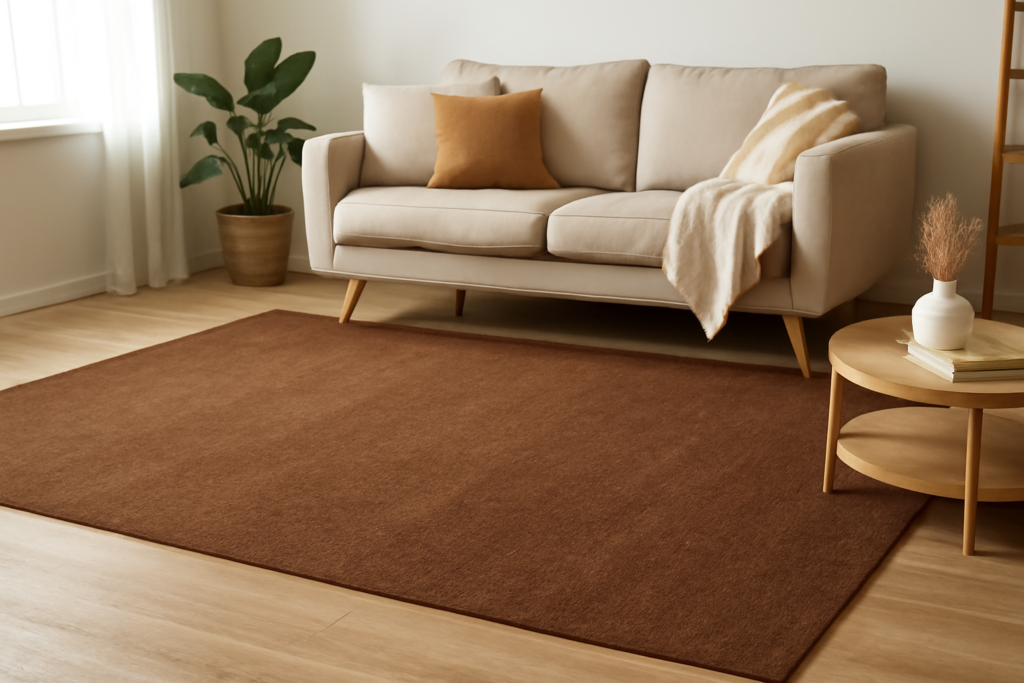
A brown rug is the quiet workhorse of home decor. It grounds a room with warmth, pairs with almost any palette, and, crucially, hides dirt and foot traffic better than nearly any other color. From a pale tan that brightens a space to a deep espresso that anchors it, brown reads as natural and inviting rather than trendy or loud. That versatility makes it one of the safest and most practical rug choices, especially for high-traffic rooms, families, and pet owners who want a floor covering that forgives everyday life.
- Why Choose Brown
- Understanding Brown Shades
- Materials and Textures
- Styling a Brown Rug
- Where Brown Rugs Work Best
- Cleaning and Maintenance
- What a Brown Rug Costs
- Sizing and Layering a Brown Rug
- Avoiding a Flat, Dull Look
- Buying a Vintage Brown Rug: Authentic Pieces Versus Vintage Looks
- The Bottom Line
Why Choose Brown
Brown earns its popularity through sheer practicality. It echoes the colors of wood, leather, and earth, so it feels at home in almost any style of room. Just as important, its mid-to-dark tones disguise the dust, crumbs, and pet hair that show instantly on lighter rugs. A brown rug also acts as a neutral foundation, letting you change throw pillows, art, and accents over the years without ever clashing with the floor.
Understanding Brown Shades
Brown is not one color but a whole family, and the shade you pick sets the mood.
- Tan and camel: light and airy, brighten a room while still hiding dirt
- Caramel and golden brown: warm and inviting, pair beautifully with creams and greens
- Chocolate and espresso: deep and cozy, anchor a space and add richness
- Taupe and greige: brown with gray undertones, modern and easy to coordinate
- Rust and terracotta browns: warm reddish tones for an earthy, bohemian feel
Materials and Textures
Brown shows off texture beautifully, and the fiber affects both look and durability. Match the material to the room’s traffic and feel you want.
- Wool: soft, durable, naturally stain-resistant, with rich color depth
- Jute and sisal: natural fibers in earthy browns, perfect for casual and coastal looks
- Polypropylene and polyester: affordable, easy to clean, and fade-resistant
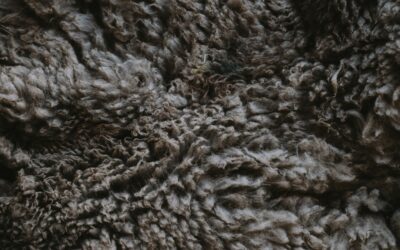
- Shag and high-pile: plush and cozy, ideal for bedrooms and living rooms
Styling a Brown Rug
Brown is endlessly easy to decorate around, but a few pairings really sing. Against white or cream walls, a brown rug adds grounding warmth. With sage or forest green, it creates a natural, organic palette. Paired with blue, brown brings a classic, balanced contrast. For a layered, collected look, set a smaller patterned rug over a large brown jute base. To keep an all-brown scheme from feeling flat, vary the textures and add accents in brass, cream, or a pop of color.
Where Brown Rugs Work Best
Because they hide wear so well, brown rugs suit the busiest rooms in the house. In a living room, a large brown rug anchors the seating and survives daily traffic. In an entryway or hallway, a darker brown disguises tracked-in dirt. In a bedroom, a soft caramel or chocolate shag adds cozy warmth underfoot. Home offices and dens benefit from brown’s calm, focused feel. For seating areas, size the rug so at least the front legs of the furniture rest on it to ground the arrangement.
Cleaning and Maintenance
One of brown’s best traits is how forgiving it is to maintain. Vacuum regularly to keep grit from wearing the fibers, and rotate the rug a couple of times a year so it fades and wears evenly. Blot spills promptly rather than rubbing. Synthetic browns usually spot-clean easily with mild soap and water, while wool should be cleaned gently without over-wetting, and natural jute and sisal should be kept dry and never soaked. Because the color conceals so much, a brown rug looks fresh between cleanings longer than most.
What a Brown Rug Costs
Pricing depends on size, fiber, and construction. Small synthetic brown rugs often run about $30 to $80, mid-size area rugs in polypropylene, jute, or wool blends land around $80 to $250, and large wool or hand-knotted rugs can exceed $500. Treat these as general ranges, since material, size, and brand drive the cost. For most living rooms, a durable synthetic or wool-blend brown rug in the $100 to $300 band offers great looks and longevity without designer pricing.
Sizing and Layering a Brown Rug
Like any area rug, a brown rug looks best when it is properly sized to the room. In a living room, choose a rug large enough that at least the front legs of your seating rest on it, which anchors the arrangement; a too-small rug stranded in the middle makes the space feel disconnected. Under a dining table, the rug should extend far enough that chairs stay on it when pulled out. Brown also layers beautifully: a smaller patterned or textured rug placed over a large brown jute base adds depth and a collected, designer feel. Layering is an easy way to introduce pattern while keeping the grounding warmth brown provides.
Avoiding a Flat, Dull Look
The one risk with brown is that an all-brown room can feel heavy or monotonous, but a few moves keep it lively. Vary the textures so the eye has something to read, pairing a smooth brown rug with a nubby throw or a woven basket. Introduce contrast with cream, white, or a pop of color in pillows and art so the brown reads as warm rather than dim. Brass, gold, and natural wood accents bring a glow that flatters every shade of brown. And mixing in a few lighter elements around a dark espresso rug keeps the space from feeling closed in, especially in smaller or low-light rooms.
Buying a Vintage Brown Rug: Authentic Pieces Versus Vintage Looks
A vintage brown rug brings warmth and a lived in character that new solid rugs rarely match. The term covers two very different products, though: genuinely old rugs with decades of use behind them, and new rugs made to look aged. Knowing which one you are looking at helps you judge price, durability and care before you buy.
Authentic Vintage Rugs
True vintage rugs are typically at least 20 years old, often hand knotted or hand woven from wool. Their browns come from natural or older dyes that have mellowed over time into tobacco, camel, chestnut and rust tones. Signs of authenticity include knots visible on the back that mirror the front pattern, slight irregularities in the design, fringe that is an extension of the foundation rather than sewn on, and gentle, even wear across the pile. Prices vary widely by size, age, origin and condition. Inspect the back for repairs, moth damage and dry rot by gently folding a corner; brittle foundations that crackle are a warning sign.
Vintage Look Rugs
Many rugs sold as vintage style are newly machine made from polypropylene, polyester or wool blends, then printed or washed to appear faded and worn. They cost far less, come in standard sizes and are often stain resistant or even washable, which suits families, pets and dining rooms. The tradeoff is depth: printed distressing can look flat up close, and synthetic fibers do not develop the soft patina that wool gains with age. Check the label for fiber content and construction so you know what you are paying for.
Caring for an Older Brown Rug
Older wool rugs need gentle handling. Vacuum with suction only or with the brush roll raised, and avoid vacuuming the fringe, which can tangle and tear. Blot spills right away with cool water and a wool safe cleaner, testing first in a hidden spot since aged dyes can bleed. Rotate the rug every few months so sunlight and foot traffic spread evenly. Use a quality rug pad to reduce wear and keep the rug from slipping. For deep cleaning, choose a cleaner experienced with handmade rugs rather than steam cleaning at home, which can shrink wool or cause dye to run. Vintage look synthetics are easier: most handle regular vacuuming and standard rug shampoo.
Styling a Vintage Brown Rug
Brown vintage rugs anchor a wide range of styles. In a modern room with white walls and clean lined furniture, a faded brown rug adds warmth and keeps the space from feeling sterile. In traditional rooms, pair it with leather, dark wood and brass for a library mood. Rust, ochre and olive accents bring out the warm tones in the pattern, while soft blue pillows or art provide gentle contrast. Layering a smaller vintage rug over a large jute or sisal base is an affordable way to get the look in a big room.
The Bottom Line
A brown rug is one of the most versatile and practical choices you can make, grounding a room with warmth while hiding the dirt that plagues lighter colors. Pick a shade from light tan to deep espresso to set the mood, choose a fiber suited to the traffic, and lean into brown’s easy compatibility with greens, blues, and creams. With simple regular care, a brown rug stays a handsome, hardworking foundation for years. Vary your textures, add a few warm-metal or cream accents to keep the look from going flat, and you will have a floor covering that quietly handles whatever daily life throws at it.