Neutral does not have to mean boring. A light brown area rug brings the warmth of a wood tone and the versatility of a beige without the coldness of gray or the impracticality of pure white. It is one of the most forgiving colors you can put on a floor, hiding everyday soil, pairing with nearly any wall color, and grounding a room in an earthy, inviting way. That flexibility is exactly why designers reach for tan, camel, and taupe rugs so often, and why they belong on the shortlist for almost any home.
This guide covers the range of light brown shades, the materials and sizes to consider, and how to style one so your room reads warm and put-together rather than flat.
The Range of Light Brown Shades
Light brown is a family, not a single color, and the undertone you choose changes the whole feel of a room. Knowing the differences helps you match a rug to your existing palette:
- Beige and sand: the lightest, with barely-there warmth that reads almost neutral and brightens a space.
- Tan and camel: a true warm mid-brown with a golden edge, cozy and classic.
- Taupe and greige: brown with a gray undertone, cooler and more contemporary, bridges warm and cool decor.
- Caramel and honey: richer golden-browns that add saturation without going dark.
- Mushroom and mocha: deeper, muted browns on the darker end of light, grounding without heaviness.
Before you buy, hold a swatch against your walls and furniture in daylight. A taupe with a gray base can clash with warm honey-oak floors, while a golden tan can fight cool gray walls, so undertone matching matters more than the label.
Why a Light Brown Rug Is So Practical
Beyond looks, there is a real practical case. Mid-brown tones hide the dirt, dust, pet hair, and foot traffic that make white rugs a chore and expose every crumb on a dark rug. That makes a light brown area rug a smart pick for living rooms, entryways, and homes with kids or pets, where you want something forgiving but still refined. It also plays nicely with wood floors, echoing their tone for a layered, natural look rather than competing with them.
Materials to Consider
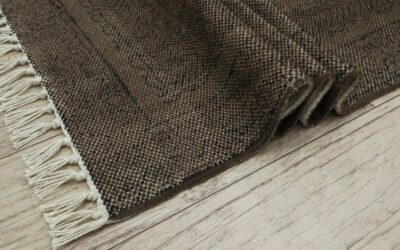
The fiber determines both feel and durability, so match it to the room. Wool is the premium choice, naturally warm-toned, soft, resilient, and excellent at hiding soil, which makes it ideal for a light brown living-room rug. Jute and sisal come in natural tan shades by default and lend a textured, coastal, or farmhouse feel, though they are coarse underfoot and best kept out of wet areas. Polypropylene and polyester offer budget-friendly, stain-resistant options in every brown shade and suit high-traffic or outdoor-adjacent spaces. For a touch of luxury, viscose blends give a low silky sheen but need gentle care.
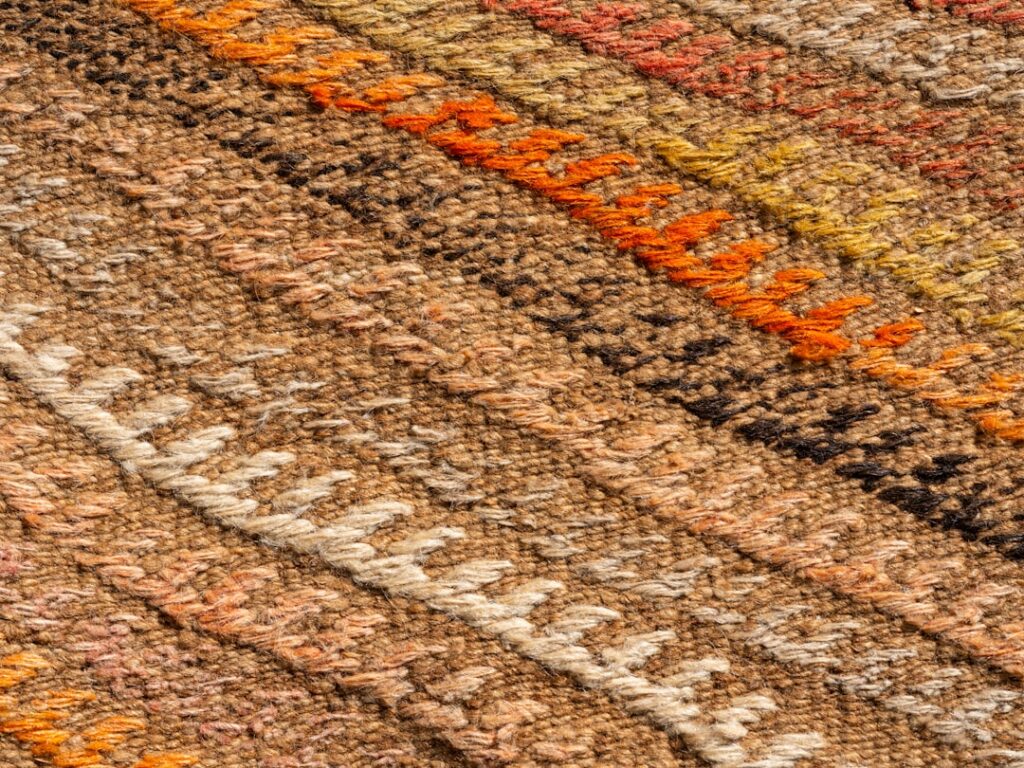
Texture is worth thinking about alongside color. A high-low pile, a subtle geometric, or a hand-loomed weave keeps a solid light brown rug from looking flat, adding quiet interest that a single flat color can lack.
Choosing the Right Size
Size does more for a room than color, so get it right first. Use these standard dimensions as a guide:
- 5×8: small living rooms, under a queen bed, or an apartment seating area.
- 8×10: the most popular living-room size, front legs of the sofa and chairs on the rug.
- 9×12: larger rooms and open plans where you want all furniture legs on the rug.
- Runners (2.5×8): hallways and kitchens where a warm neutral softens a long space.
In a living room, aim to leave 10 to 18 inches of bare floor around the rug’s edges, and make sure at least the front legs of your sofa and chairs sit on it so the seating area reads as a unified group.
How to Style a Light Brown Area Rug
The beauty of light brown is how many directions it goes. For a warm, earthy scheme, pair it with cream, rust, olive, and natural wood for a cozy, organic room. For contrast, set it against navy, charcoal, or forest-green furniture, where the warm rug keeps those deep tones from feeling cold. In a modern space, a taupe or greige rug bridges cool grays and warm woods so the room feels balanced rather than committed to one temperature.
Layer in texture through pillows, throws, and woven baskets to build on the rug’s natural warmth, and add a few darker or metallic accents so the neutral base has something to play against. If your room already leans heavily neutral, choose a light brown rug with visible texture or a subtle pattern so the floor contributes interest rather than disappearing.
Care and Maintenance
One of the quiet perks of a light brown area rug is easy upkeep, but a little care keeps it looking fresh. Vacuum regularly to lift embedded grit before it dulls the fibers, and rotate the rug a couple of times a year so sun and traffic wear it evenly. Blot spills promptly rather than rubbing, working from the outside in with a mild cleaner suited to the fiber. Natural-fiber rugs like jute should be kept dry and spot-cleaned carefully, while wool benefits from occasional professional cleaning. A quality rug pad underneath prevents slipping, adds cushion, and extends the rug’s life.
Room-by-Room Ideas
Where you place a light brown rug shapes which shade and material make the most sense. In a living room, a wool or wool-blend tan rug in an eight-by-ten or nine-by-twelve grounds the seating group and hides the traffic that this hardest-working room dishes out. In a bedroom, a soft caramel or mushroom rug under the bed adds warmth underfoot and a serene, cocooning feel, and here you can prioritize plushness over stain resistance since the room stays clean. Dining rooms call for a flatter, low-pile light brown rug that chairs slide across easily and crumbs sweep off of, with a size large enough that the chairs stay on the rug even when pulled out. Entryways and hallways benefit from a durable jute or polypropylene runner in a natural tan, which greets guests warmly while standing up to grit and moisture. Home offices and reading nooks are a good spot for a textured greige or taupe rug that quietly anchors the space without distracting the eye. Matching the shade and fiber to the room’s demands is what makes a neutral rug feel intentional rather than merely safe.
Final Thoughts
A light brown area rug is about as safe and versatile a floor choice as exists, warm enough to make a room feel welcoming, neutral enough to work with nearly any decor, and practical enough to survive real life. Nail the undertone to match your space, choose a fiber suited to the room’s traffic, and size it generously. Do that, and this quiet workhorse of a rug will anchor your space beautifully for years.