
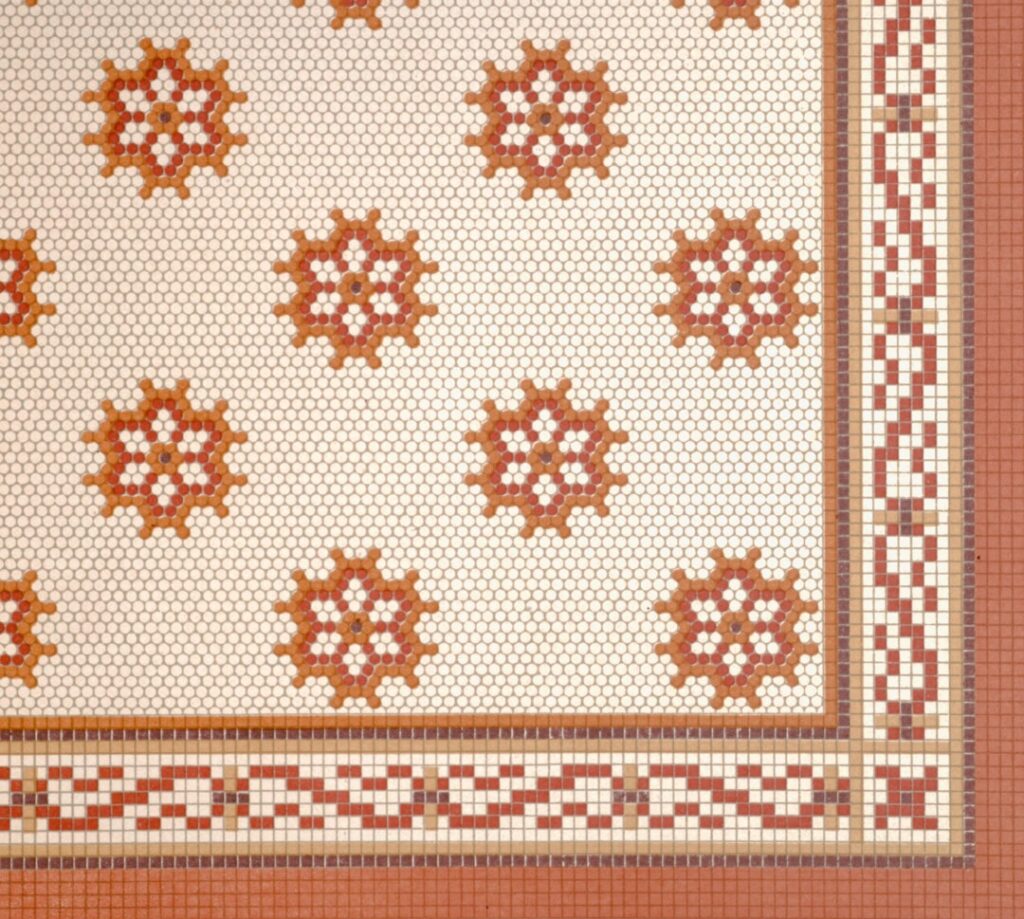
Brown gets unfairly dismissed as boring, but in tile it is one of the most forgiving and timeless choices you can make. Brown tile grounds a room, hides dirt and wear better than almost any other color, and pairs with nearly every cabinet, wall, and fixture finish. From pale taupe to deep espresso, the range of shades means brown tile can read warm and rustic or sleek and contemporary depending on how you use it.
This guide covers the shades, the materials brown tile comes in, smart design pairings, and what it costs.
The Range of Brown Shades
Brown is not a single color but a wide family, and the shade sets the entire mood:
- Light taupe and beige-brown: soft and neutral, they brighten a space and read almost like a warm gray.
- Medium browns and caramel: rich and inviting, the workhorse middle ground for floors.
- Chocolate and espresso: dramatic and modern, striking on accent walls and contemporary floors.
- Reddish and terracotta browns: earthy and traditional, classic for Mediterranean and rustic looks.
Lighter shades make small rooms feel larger, while deeper browns add coziness and drama but can shrink a space if overused.
Materials and Finishes
Brown tile is available across every common tile material, each with a different character:
- Porcelain and ceramic: durable and water-resistant, often made to convincingly mimic wood or stone in brown tones.
- Wood-look porcelain: brown planks that deliver the warmth of hardwood with the durability of tile, ideal for kitchens and baths.
- Natural stone: travertine, slate, and marble in brown ranges bring organic veining and texture.
- Terracotta: warm, rustic clay tile with handmade charm, common in traditional and Southwestern designs.
Matte finishes hide footprints and feel earthy, while polished surfaces add a touch of formality and reflect light in darker shades.
Where Brown Tile Works Best
Brown’s dirt-hiding nature makes it practical in busy areas. Wood-look brown porcelain is a favorite for kitchens, entryways, and bathrooms where real hardwood would struggle with moisture. Stone and terracotta browns suit patios, sunrooms, and rustic kitchens. On walls, a chocolate or espresso accent adds depth behind a vanity or as a shower feature, while lighter brown subway and mosaic tiles make warm, low-key backsplashes.
Design Pairings That Work
Brown is a team player. Some reliable combinations:
- Brown with cream and white: a classic, airy contrast that keeps the warmth without heaviness.
- Brown with sage or muted green: a fresh, nature-inspired pairing that feels current.
- Brown with brass and gold fixtures: rich and elegant, especially against deeper shades.
- Brown with blue accents: warm and cool balance for bathrooms and kitchens.
- Brown with black and matte fixtures: a grounded, modern look.
Choose a grout color that complements rather than fights the tile; a tone close to the tile reads seamless, while a contrasting grout emphasizes the pattern.
What Brown Tile Costs
Price tracks material more than color. Ceramic and porcelain typically run $2 to $10 per square foot, with premium wood-look and large-format porcelain at the higher end. Natural stone and quality terracotta range from $5 to $20 per square foot or more depending on the type. Professional installation usually adds $5 to $15 per square foot, with intricate patterns and stone costing more to set. Sealing is an ongoing cost for natural stone and terracotta, which need periodic resealing, while glazed porcelain and ceramic do not.
Brown Tile by Room
Different rooms call for different approaches to brown tile. In kitchens, wood-look brown porcelain planks deliver warmth and durability that stand up to spills and traffic, while a medium-brown floor hides the inevitable crumbs and footprints between cleanings. Bathrooms benefit from brown’s spa-like, grounding quality; pair a brown stone-look floor with cream walls and brass fixtures for a warm, enveloping feel that lighter, cooler palettes cannot match.
Entryways and mudrooms are ideal for brown tile because it disguises tracked-in dirt better than almost any other color. Outdoors, terracotta and brown stone suit patios and sunrooms, bringing an earthy, natural look that ages gracefully. On walls, reserve deep espresso for accent features and use lighter brown mosaics or subway tiles for backsplashes that add warmth without darkening the space.
Avoiding a Dated Look
Brown tile earned its reputation for looking dated mostly because of how it was used in past decades, with heavy, uniform, orange-toned tile covering every surface. Modern brown tile avoids that trap with a few simple choices. Favor natural, varied tones over flat uniform color, mix in texture through wood-look and stone-look finishes, and balance brown with lighter elements so the room does not feel heavy. Large-format tile and clean grout lines read far more current than small, busy mosaics in a single shade.
Keeping brown to floors and accents rather than wrapping an entire room in it also keeps the look fresh. Used with restraint and paired with the right complementary colors, brown tile feels timeless and sophisticated rather than stuck in another era.
Choosing the Right Tile Size
Tile size shapes how brown reads in a space as much as the shade does. Large-format brown tiles, with fewer grout lines, create a clean, expansive look that makes floors feel bigger and more contemporary, and they suit open kitchens and living areas well. Wood-look brown planks bring warmth and a natural rhythm, perfect for spaces where you want the feel of hardwood. Smaller tiles and mosaics add detail and traction, making them useful for shower floors and accents, though too many small dark tiles can feel busy. Match the tile size to the room scale and the look you want, and request samples to see how the brown tone shifts under your own lighting before committing.
Care and Maintenance
Brown tile is among the easiest colors to keep looking clean because it disguises everyday dust and grit. Sweep or vacuum regularly and damp mop with a pH-neutral cleaner. Seal natural stone and terracotta on the manufacturer’s schedule to protect against stains, and keep grout sealed and clean since grout color is what usually shows wear first. Avoid harsh acidic cleaners on stone, which can etch the surface.
Final Thoughts
Brown tile is the quiet overachiever of the tile world: warm, versatile, forgiving of daily mess, and compatible with nearly any palette. Pick a shade that matches the mood and size of your room, choose a material suited to the space, and pair it thoughtfully with your fixtures and grout. Whether you want rustic warmth or modern depth, brown tile delivers a look that stays attractive long after trendier colors have come and gone.
Prefer to explore on your own?
See how new flooring looks in your actual room in seconds — free, no signup.
Try the free Floor Studio →

