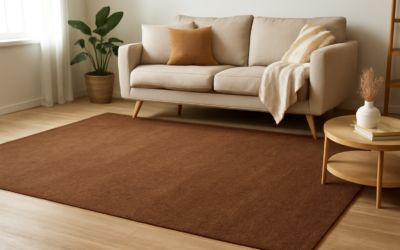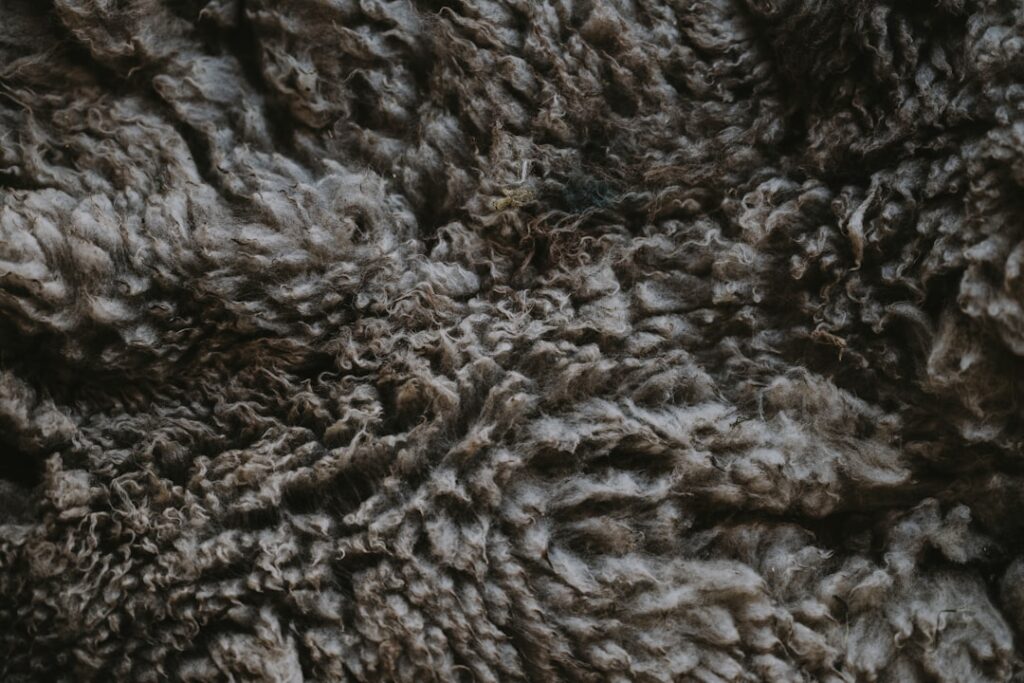
If you want a rug that hides everyday life and still looks good a decade from now, it’s hard to beat wool in a warm earth tone. A brown wool rug brings together the natural resilience of one of the world’s oldest flooring fibers with a color that conceals dirt, pet hair, and the inevitable splash of coffee far better than pale alternatives. Brown is also one of the most flexible neutrals in design, anchoring a room without demanding attention. This guide explains the wool grades worth your money, how to pick the right shade and size, and how to keep that rug looking rich for years.
Why Wool Is Worth the Investment
Wool earns its premium price honestly. The fiber is naturally resilient, springing back after furniture and foot traffic compress it, which means it resists the permanent matting that flattens synthetic rugs. It’s also naturally flame-resistant and holds dye beautifully, giving brown wool a depth and richness that polyester simply can’t match.
Just as practical, wool has a natural lanolin coating that repels liquids long enough for you to blot a spill before it sets. A quality wool rug routinely lasts 20 years or more with reasonable care, making the higher upfront cost a genuine long-term value rather than an indulgence.
Types of Wool Rugs to Know
Construction matters as much as the fiber itself. Here’s what you’ll encounter when shopping:
- Hand-knotted: The gold standard, individually tied knots create dense, long-lived rugs. Expensive but heirloom-quality.
- Hand-tufted: Wool punched into a backing, then glued and finished. More affordable and widely available, though the latex backing eventually breaks down.
- Flatweave (kilim/dhurrie): No pile, reversible, and lightweight. Great for low-traffic rooms and layering.
- Machine-woven wool: Consistent and budget-friendly, with a more uniform look than handmade options.
For a high-traffic living room or entry, hand-knotted or a dense machine-woven wool holds up best. Flatweaves suit bedrooms and spaces where you want a thinner profile.
Choosing the Right Shade of Brown
Brown is not a single color, and the undertone you pick changes the whole room. Cool browns lean gray or taupe and pair well with blues, crisp whites, and modern decor. Warm browns run toward chestnut, caramel, and rust, complementing creams, terracotta, and traditional wood furniture.
Consider your existing flooring too. A medium-brown rug can disappear against a similar-toned hardwood, so introduce contrast with either a lighter or darker shade, or choose a rug with a pattern that adds definition. Chocolate and espresso tones ground a light, airy room, while lighter camel and tan shades keep a dark room from feeling heavy.
Sizing It Correctly
The most common rug mistake is going too small. As a rule of thumb, the front legs of your main furniture should sit on the rug. Here’s a quick guide by room:
- Living room: An 8 by 10 or 9 by 12 foot rug for most setups, large enough to anchor the seating group.
- Dining room: Size so chairs stay on the rug even when pulled out, usually adding 24 inches beyond the table on all sides.
- Bedroom: A large rug under the bed extending 18 to 24 inches past the sides, or runners flanking the bed.
- Entry and hallway: A runner or 3 by 5 foot rug that handles heavy traffic and dirt.
Cleaning and Care
Wool is forgiving but has rules. Vacuum regularly to lift grit before it grinds into the fibers, but use suction only or a low-pile setting; an aggressive beater bar can fuzz and pill new wool. Expect some shedding from the first few months, especially with hand-tufted rugs. That’s normal and slows over time.
For spills, blot immediately, never rub, working from the outside of the spot inward. Use cool water and a tiny amount of wool-safe or mild detergent, and avoid harsh chemicals, oxygen bleach, and enzyme cleaners that can damage the protein fiber. For deep cleaning, hire a professional who specializes in wool every few years rather than risking a rental steam cleaner that oversaturates the rug.
Padding and Placement Tips
Always use a quality rug pad. It cushions underfoot, keeps the rug from sliding, and dramatically extends its life by absorbing the abrasion of foot traffic and protecting your floor finish. A felt-and-rubber pad runs $30 to $80 depending on size and is the cheapest insurance for an expensive rug.
Rotate the rug 180 degrees once or twice a year so sun fading and traffic wear stay even. Keep wool rugs out of constantly damp areas, since persistent moisture can lead to mildew. With a pad below and a regular rotation schedule, a brown wool rug ages gracefully instead of wearing thin in the walkways.
Styling a Brown Wool Rug by Room
A brown rug behaves differently depending on where you put it. In a living room, a chocolate or espresso wool rug grounds a light, neutral palette and lets colorful furniture and art stand out. Pair it with brass or warm-metal accents and a few textured throw pillows to echo the rug’s natural feel.
In a bedroom, a softer camel or taupe wool rug under the bed adds warmth and a luxurious step in the morning. In a dining room, a flatweave in a medium brown hides crumbs and the inevitable spills while standing up to chair legs. For an entryway or hallway, a darker, densely woven brown wool runner masks tracked-in dirt better than almost any other color, making it the practical choice for the busiest part of the house.
Spotting Quality Before You Buy
A few quick checks separate a great wool rug from a disappointing one. Fold a corner back and look at the density of the knots or tufts; a tightly packed back signals a durable rug that will hold its shape. Run your hand across the pile, which should feel springy and recover quickly rather than staying flat.
Check the label for fiber content, since some “wool blend” rugs contain a high percentage of synthetic fibers that won’t perform like pure wool. For handmade rugs, slight irregularities are a sign of authenticity, not a defect. And ask about the backing on tufted rugs, since a quality latex and cotton backing lasts far longer than a thin, cheap one that crumbles within a few years.
Final Thoughts
A brown wool rug is a buy-it-once decision when you choose well. Pick a construction suited to the room’s traffic, match the undertone to your decor and flooring, size it generously, and protect it with a pad. Treat spills quickly and vacuum gently, and you’ll have a warm, forgiving, genuinely durable rug that looks better with age rather than worse.