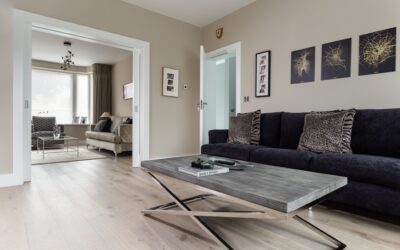
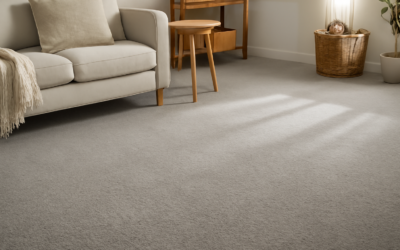
Few flooring colors have reshaped home design like this one. Grey laminate took over kitchens, living rooms, and rental units because it delivers a clean, contemporary look that hides dust and pet hair, resists scratches, and costs a fraction of hardwood. From pale whitewashed planks that brighten a room to deep charcoal boards that anchor a modern space, grey works with nearly every wall color and furniture style, which is exactly why it became the default choice for so many renovations.
Choosing well means looking past the color to the specs that determine how long the floor lasts and how convincing it looks. Understanding the shade range, the durability ratings, and the installation basics will help you pick grey laminate that performs as good as it looks and avoids the plasticky, dated feel of cheaper products.
The Range of Grey Shades
Grey is a spectrum, and the tone you choose sets the entire mood of the room. Knowing where each shade shines helps you match it to your space and light:
- Light and whitewashed grey: airy and Scandinavian, makes small or dark rooms feel larger and brighter
- Warm greige: a grey-beige blend that adds coziness and pairs with warm and cool decor alike
- Mid-tone grey: the flexible middle ground that hides dirt well and suits almost any style
- Charcoal and dark grey: dramatic and modern, best in well-lit or larger rooms where it will not feel heavy
Many quality laminates layer subtle multi-tonal variation and wood grain into each plank, so a grey floor reads as natural oak or ash rather than a flat block of color. That variation, along with an embossed surface texture, is what separates realistic laminate from the obviously fake budget versions.
Durability: Reading the AC Rating
The single most important spec for laminate is the AC rating, which measures abrasion and wear resistance on a scale from AC1 to AC5. Matching the rating to your traffic level keeps the floor looking new for years:
- AC3: suitable for general residential use, good for most bedrooms and living areas
- AC4: handles heavy residential and light commercial traffic, ideal for busy homes with kids and pets
- AC5: commercial-grade toughness, more than enough for any home
For a family home, AC4 is the sweet spot, giving extra scratch and dent resistance for a small upcharge over AC3. Also check whether the product is water-resistant, since many newer grey laminates add sealed edges and moisture protection that make them viable in kitchens and entryways where standard laminate would swell.
What Grey Laminate Costs
Laminate remains one of the best values in flooring. Budget planks start around $1 to $2 per square foot, mid-range products with better texture and AC4 durability run $2 to $4, and premium water-resistant lines with realistic embossing reach $4 to $6. Underlayment, if not attached, adds a small amount per square foot.
Installation is inexpensive and DIY-friendly thanks to click-lock edges that float over the subfloor, but professional labor typically adds $2 to $5 per square foot. For a 300-square-foot room, a full mid-range project often lands between $900 and $2,700 installed, well below the cost of hardwood or luxury vinyl in the same style.
Installation Basics
Grey laminate installs as a floating floor, meaning the planks lock together and rest on the subfloor rather than being nailed or glued down. Success starts with the subfloor: it must be clean, dry, and flat within the manufacturer’s tolerance, usually about 3/16 inch over 10 feet. High spots and dips telegraph through the floor and stress the joints, so grinding or leveling first is worth the effort.
Lay a foam or cork underlayment for cushioning and sound, unless the planks have it pre-attached, and add a moisture barrier over concrete. Let the boxes acclimate in the room for 48 hours before installing. Leave a 1/4 to 3/8 inch expansion gap around the entire perimeter, hidden later by baseboard or quarter round, because laminate expands and contracts with humidity and needs room to move. Stagger the end joints for strength and a natural look.
Keeping It Looking New
Maintenance is simple, which is part of grey laminate’s appeal. Sweep or vacuum grit regularly, since grit is what dulls the wear layer over time, and use a barely damp microfiber mop with a laminate-safe cleaner. The one rule to respect is water: never wet-mop or let standing water sit, because moisture seeping into the seams causes swelling that cannot be repaired.
Place mats at entrances to catch dirt and moisture, and use felt pads under furniture legs to prevent scratches. Wipe spills promptly rather than letting them linger at the seams. Treated this way, grey laminate holds its clean, modern look for 15 to 25 years, delivering the style of contemporary hardwood with far less upkeep and cost, and remaining one of the most practical flooring choices for busy, style-conscious homes.
Decorating Around Grey Floors
One reason grey became so popular is how easy it is to decorate around, but a few pairings work better than others. Cool-toned greys and charcoals sit beautifully alongside white trim, navy, sage, and black accents for a crisp, modern feel, while warm greige floors invite earthy tones like caramel leather, cream, rust, and natural wood furniture. The key is deciding early whether your grey leans cool or warm, then keeping your wall colors, rugs, and furnishings in the same temperature family so the room feels intentional rather than mismatched.
Grey floors also let bold furniture and art take center stage, since the neutral base does not compete for attention. If your style shifts over the years, you can repaint walls and swap decor freely without ever touching the floor, which is part of the long-term value. Layering in a textured area rug adds warmth underfoot and breaks up large expanses of plank, especially in a living room where an all-grey floor can otherwise feel a touch cold.
Avoiding the Dated Look
The main risk with any trendy color is that it eventually reads as of-its-era, and very cool, flat, blue-grey laminate from the peak of the trend is the version most likely to feel dated. To keep the look fresh, favor planks with natural wood-grain variation and a slight warm undertone rather than a uniform, artificial grey. Realistic embossing and a matte finish also age better than glossy, plasticky boards that betray the material at a glance.
Wider planks and longer boards lend a current, high-end feel, while narrow strip laminate can look more builder-basic. Spending a little more on a convincing, texture-rich product is the difference between a floor that still looks intentional a decade from now and one you tire of quickly. Because grey remains a true neutral, a well-chosen, natural-looking grey laminate has real staying power well beyond the trend cycle that made it famous.
Prefer to explore on your own?
See how new flooring looks in your actual room in seconds — free, no signup.
Try the free Floor Studio →