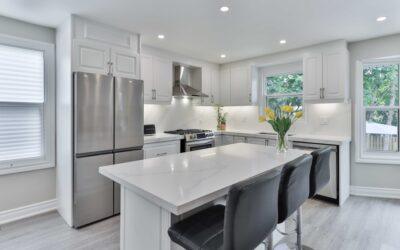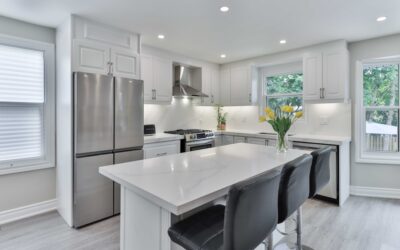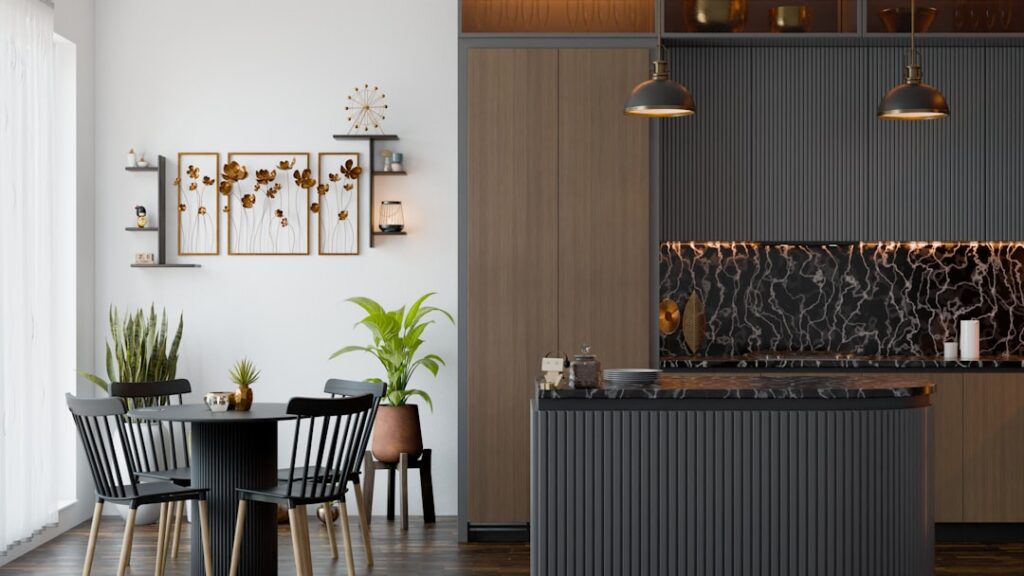
Modern grey kitchen cabinets have quietly become the default choice for homeowners who want something more interesting than white but less risky than a bold color. Grey reads as clean and contemporary, hides fingerprints and dust better than pure white, and plays nicely with nearly every countertop and floor on the market. After installing them in kitchens from city condos to suburban new builds, I can tell you the difference between a grey kitchen that looks fresh and one that looks flat comes down to picking the right shade, finish, and pairings.
Part of our Kitchen Remodeling guide — explore the full guide →
The Grey Shades That Actually Work
Grey is not one color; it spans a huge range with different undertones, and choosing the right one is everything. The shades I specify most often:
- Light greige: A warm grey with a beige undertone that feels soft and inviting. It keeps a kitchen bright while adding just enough color to avoid the sterile look of pure white.
- Soft dove and mist grey: Pale, cool-leaning greys that look crisp and airy in a room with plenty of natural light.
- Mid-tone slate: A confident medium grey that grounds a kitchen without going dark. My most popular pick for people who want the grey to actually read as grey.
- Charcoal and graphite: Deep, dramatic greys, gorgeous on a large island or on lowers paired with lighter uppers. Best in kitchens with good light.
A word of caution on undertones: greys with a blue undertone can go cold and clinical, while those with green or brown undertones feel warmer. Always test a door sample in your actual kitchen light, morning and evening, before committing. The chip that looked perfect in the showroom can turn lavender or muddy under your fixtures.
Lighting is the reason samples deceive people. Showrooms run cool fluorescent or high-CRI LED lighting that flatters cool greys, while your kitchen might have warm 2700K bulbs and a north-facing window that dulls everything down. A greige that looked crisp under the store lights can read distinctly tan at home, and a cool dove grey can slide toward purple. Buy or request a full door sample, not a paint chip, and live with it propped against your wall for a couple of days. Look at it in daylight, under your evening lights, and next to your flooring and countertop samples. This one habit prevents the most expensive regret in a cabinet order.
Matte Versus Gloss Finish
The finish changes the whole personality of the cabinet. A modern grey kitchen cabinets project usually lands on one of three finishes:
- Matte and flat: The current favorite for a modern look. It reads sophisticated and hides smudges, though a true dead-flat finish can be slightly harder to wipe clean.
- Satin: The practical middle ground. Enough sheen to clean easily, not so much that it shows every fingerprint. This is what I recommend to most families.
- High gloss: Slick, reflective, and unmistakably contemporary, especially in European-style slab doors. Stunning in the right space but it shows every smudge and scratch.
Door Styles for a Modern Look
To keep grey cabinets reading as modern rather than traditional, the door style matters as much as the color. Flat-panel, also called slab, doors are the cleanest and most contemporary choice, with no frame or detailing to catch the eye. A slim, single-inset Shaker with a narrow rail can also look modern while adding a touch of dimension. Skip the heavy raised-panel and ornate profiles; they pull grey back toward a traditional feel.
Construction style plays into the look too. Frameless, or full-access, European-style cabinets give you wider door openings, more usable interior space, and the tight, gap-free reveal that defines a modern kitchen. Traditional face-frame boxes leave a wider border between doors and read a touch more classic. If you want the crisp, seamless run of slab doors marching across a wall with hairline gaps, frameless construction is the way to get there. Pair that with a horizontal or vertical wood grain on a wood-look grey and the effect is unmistakably contemporary.
Countertop Pairings That Elevate Grey
Grey is a fantastic backdrop, and the countertop is where you set the mood:
- White quartz with subtle veining: The safest and most popular pairing. Bright white against mid or dark grey creates crisp, timeless contrast.
- Waterfall quartz on the island: Carrying the stone down the sides amplifies the modern feel.
- Warm wood or butcher block: Adds warmth to a cool grey scheme and softens the whole room.
- Black or dark soapstone-look quartz: Pairs with lighter greys for a bold, high-contrast statement.
My advice: if the cabinets are dark charcoal, keep the counter light to avoid a cave; if the cabinets are pale dove, you have freedom to go dramatic on the counter.
Hardware and Fixture Finishes
Hardware is the jewelry, and grey is remarkably accommodating. Matte black pulls give a sharp, graphic contemporary edge and are the current top request. Brushed brass or champagne bronze introduces warmth and a bit of luxury, especially against cooler greys. Brushed nickel and stainless keep things quiet and classic. For a truly minimal European look, skip pulls entirely and use integrated finger channels or push-to-open hardware so the slab doors stay unbroken.
Scale and placement matter as much as finish. On tall pantry doors and wide drawers, undersized pulls look lost, so I size hardware generously and run long bar pulls horizontally on drawers and vertically on doors for a clean, linear rhythm. Keep the finish consistent between the cabinet hardware and the faucet and lighting where you can; mixing two metals is fine and often intentional, but three or more competing finishes turns a modern kitchen busy. A common winning combination is matte black hardware with a champagne bronze faucet, which reads deliberate rather than accidental.
Flooring and Wall Pairings
To finish the room, balance the temperature of your grey. Cool greys pair beautifully with light oak or blonde wood-look flooring, which keeps the space from feeling cold. Warmer greige cabinets can handle richer wood tones underfoot. On the walls, a bright white or a soft warm white backsplash keeps a grey kitchen from closing in, and a large-format tile or a simple subway laid in a modern stack pattern reinforces the contemporary look.
A useful design principle here is the two-tone kitchen. Grey lends itself beautifully to running darker cabinets below and lighter uppers, or the reverse, which adds depth without introducing a second color. A charcoal island under a white perimeter is one of the most requested layouts I build, and it lets you go bold on the island while keeping the working walls bright. If your kitchen is small or short on natural light, keep the greys pale and reserve the dark tone for a single accent like the island or a bank of tall pantry doors, so the room stays open rather than heavy.
What Modern Grey Cabinets Cost
Grey does not carry a color premium by itself; you pay for construction quality and door style. Rough 2026 installed figures for a mid-size kitchen:
- Stock grey cabinets: $5,000 to $12,000.
- Semi-custom flat-panel grey: $12,000 to $22,000.
- Full custom with high-gloss or specialty finishes: $22,000 to $40,000-plus.
Worth noting, grey has proven far more durable as a trend than the color-of-the-year cabinets that date a kitchen fast. It has held the top spot alongside white for the better part of a decade, so you are unlikely to feel dated in five years, and its neutrality means you can refresh the look later with new hardware, paint, and accessories rather than a full replacement.
Choosing well-built boxes matters more than the shade, since the finish is only as durable as the substrate beneath it. Spend on the construction, pick a grey with an undertone you have tested in your own light, pair it with a countertop and hardware that suit the temperature of that grey, and modern grey kitchen cabinets will look current and fresh for many years to come. Nail those decisions and the room will feel intentional and timeless rather than like it is chasing a passing trend.