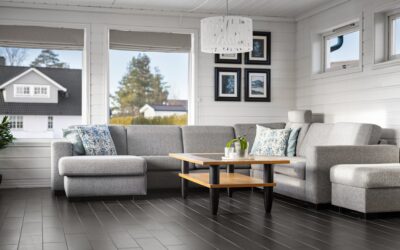
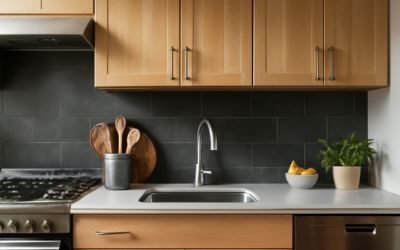
Grey went from a trend to a contemporary classic for one reason: it is the most flexible neutral a floor can wear. Grey modern flooring anchors clean, minimalist interiors, makes white walls pop, and pairs with nearly any furniture palette — but the secret most homeowners miss is that “grey” splits into cool and warm families that completely change a room’s feel. Choose the wrong undertone and a sleek space turns cold and clinical, or a cozy one looks muddy. Get it right and grey is the easiest way to make a home feel current.
Why Grey Reads as Modern
Grey signals contemporary design because it strips away the traditional yellow-and-orange warmth of classic oak and replaces it with a calm, neutral backdrop. It lets architecture, furniture, and art take center stage. Paired with wide planks, matte finishes, and minimal grain, grey flooring delivers the understated, uncluttered look that defines modern and Scandinavian-inspired interiors. It also hides dust and minor scuffs better than very dark or very light floors, which keeps that clean look low-effort.
Cool Grey vs. Warm Grey
This is the decision that makes or breaks the room. Grey flooring leans one of two directions, and the undertone sets the entire mood:
- Cool greys: Carry blue, silver, or steel undertones. They feel crisp, sleek, and ultra-modern, and they pair beautifully with white, black, and chrome. The risk is that an all-cool palette can feel cold — balance it with warm textures like wool, leather, or wood accents.
- Warm greys (greige): Blend grey with beige or taupe undertones. They feel inviting and versatile, bridge modern and transitional styles, and forgive a wider range of furniture and wall colors. Greige is the safer choice if you want modern without stark.
Hold samples against your walls, cabinets, and trim in natural light before committing — undertones shift dramatically depending on what surrounds them.
The Best Materials for Grey Floors
Grey is available across every flooring category, but a few stand out for a modern look:
- Luxury vinyl plank (LVP): The most popular choice — waterproof, durable, affordable, and offered in countless grey wood-looks with wide planks and realistic matte textures.
- Laminate: Budget-friendly with sharp grey wood reproductions and scratch resistance; choose a waterproof-rated line for kitchens.
- Engineered hardwood: Real grey-stained or wire-brushed wood for a premium, authentic surface that still suits modern rooms.
- Porcelain tile: Grey concrete-look and stone-look tiles bring an industrial-modern edge and full waterproofing.
Plank Width and Finish Matter
For a genuinely modern result, the format counts as much as the color. Wide planks — 7 inches and up — read as contemporary and make rooms feel larger, while narrow strips look more traditional. Matte and low-sheen finishes suit modern interiors far better than glossy ones, which can look dated and show every footprint. Subtle, minimal grain keeps the look clean; heavy, busy grain fights the sleek aesthetic. Wire-brushed or lightly textured surfaces add depth without breaking the modern feel and help hide wear.
Pros of Grey Modern Flooring
- Versatile neutral: Works with almost any wall color, furniture, and decor scheme.
- Contemporary look: Instantly modernizes a space and makes other elements stand out.
- Hides dirt and scuffs: Mid-tone grey shows less dust and pet hair than very dark or light floors.
- Wide availability: Offered across LVP, laminate, engineered wood, and tile at every budget.
Cons to Weigh
- Can feel cold: Especially cool-toned greys in north-facing or sparsely furnished rooms.
- Trend sensitivity: Very specific grey shades can date; neutral greige ages better than strong blue-grey.
- Undertone matching: Pairing the wrong grey with existing finishes can clash badly.
- Resale variability: Some buyers love grey, others prefer warm wood — a factor for flip projects.
Styling a Grey Floor Well
Balance is everything with grey. To keep a cool-grey room from feeling sterile, layer in warmth: wood furniture, brass or gold fixtures, leather, and textured textiles like wool throws and jute rugs. With warm greige floors, you can lean either cozy or crisp depending on your walls and accents. White and off-white walls keep the palette bright and modern; deep charcoal or navy accents add drama. Green plants and warm wood tones are the easiest way to soften any grey scheme and make it feel like a home rather than a showroom.
Pairing Grey Floors with Wall Colors
Walls make or break a grey floor, so coordinate undertones deliberately. Cool grey floors pair cleanly with crisp whites, soft blues, and charcoal accents for a sleek, contemporary scheme. Warm greige floors are more forgiving and work with off-whites, warm taupes, sage greens, and even soft blush tones. The cardinal rule is to keep undertones in the same family — a cool blue-grey floor under warm yellow-beige walls reads as a clash. When in doubt, white and off-white walls are the safest partners for any grey floor because they keep the space bright and let the floor set the tone.
Grey in Small vs. Large Spaces
Grey behaves differently depending on room size and light. In small or dark rooms, a light, warm grey keeps the space feeling open and airy, while a dark cool grey can make it feel closed in. In large, light-filled rooms, mid-tone and darker greys add depth and drama without overwhelming. Wide planks visually expand a room, which is why they suit both small spaces (making them feel bigger) and large ones (keeping them cohesive). Always test samples in the actual room at different times of day, because the same grey can look soft and warm in morning light and cold and blue under evening lamps.
Keeping Grey from Dating
Grey has been popular long enough that some specific shades now read as dated, particularly very cool, blue-heavy greys from the peak of the trend. To choose a grey that ages well, lean toward versatile greige and natural, wood-toned greys with subtle warmth rather than stark, washed-out cool tones. Realistic wood-look textures with visible grain feel more timeless than flat, uniform grey. And because flooring is a long-term investment, a slightly more neutral grey gives you flexibility to restyle walls and furniture for years without the floor fighting your new choices.
The Bottom Line
Grey is the most adaptable modern floor you can choose, but success hinges on the undertone — cool grey for crisp, sleek spaces, warm greige for inviting, flexible interiors. Pair your shade with wide planks and a matte finish, balance cool tones with warm textures, and test samples in your own light before buying. Done thoughtfully, grey modern flooring gives you a clean, contemporary foundation that flatters almost any decor and keeps your home looking current for years.
Prefer to explore on your own?
See how new flooring looks in your actual room in seconds — free, no signup.
Try the free Floor Studio →