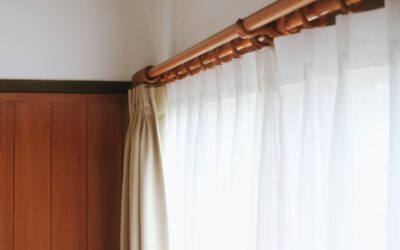
Buy a beautiful set of grommet panels, slide them onto your existing rod, and discover the rings barely fit or catch every time you draw them. That frustration comes from one overlooked detail: grommet curtain rods have to match the inside diameter of the grommet rings, or the curtains will not glide. Grommet panels (also called eyelet curtains) feature metal-lined rings punched along the top that thread directly onto the rod, creating those clean, uniform folds everyone loves. Get the sizing right and they slide like silk. Here is exactly how to match rod to panel and style the result.
How Grommet Curtains Work
Grommet panels skip the rings, clips, and hooks that other curtain styles require. Instead, a row of reinforced metal or plastic rings is set directly into the fabric header. The rod threads straight through these rings, so the panel hangs and moves on the rod itself with nothing extra.
That direct threading is what produces the signature look: deep, even, wave-like folds that stay uniform whether the curtains are open or closed. The style reads clean and contemporary, which is why grommet panels dominate modern and transitional interiors. The catch is that the rod has to physically pass through those rings with room to spare, and that is where sizing becomes critical.
The Diameter Rule
Here is the single most important number in this whole guide. The rod’s outer diameter must be at least 1/2 inch smaller than the grommet’s inner diameter, or the curtains will bind.
Standard grommet panels come with rings that have an inner diameter of about 1 5/8 inches. That means they are designed for rods up to roughly 1 1/8 to 1 3/8 inches in diameter, leaving enough clearance to slide freely. Follow these matchups:
- 1 5/8-inch grommet (most common): use a rod up to 1 1/4 or 1 3/8 inches in diameter
- 2-inch grommet: use a rod up to about 1 1/2 inches
- Smaller decorative grommets: confirm the inner diameter and stay at least 1/2 inch under it
Always check the grommet’s stated inner diameter on the panel packaging before buying a rod. A gorgeous 2-inch statement rod is useless if your panels only have 1 5/8-inch rings, because it simply will not fit through.
Watch the Finials
A grommet-specific gotcha trips up many buyers: the finials (the decorative end caps) must be removable. Because grommet panels thread over the end of the rod, you have to take a finial off, slide the panel on, and reattach the finial to trap the curtain in place.
Almost all rods sold as grommet-compatible have unscrewing finials for exactly this reason. But if you are repurposing an old rod with fixed or welded ends, you cannot get the panels onto it. Verify the finials unscrew before you commit to a rod for grommet curtains.
Sizing the Rod for the Window
Beyond fitting the grommets, the rod has to fit the window well. The proportions that make drapery look tailored apply here just as they do to any curtain:
- Width: extend the rod 8 to 12 inches past the frame on each side so panels stack off the glass when open
- Height: mount 4 to 6 inches above the frame, or higher toward the ceiling for a taller look
- Center support: add a bracket for spans over 60 inches, but choose a low-profile pass-through support so grommets glide over it
That center-support detail is unique to grommet setups. A standard bracket blocks the rings from sliding past. Look for grommet-friendly center brackets that let the rings clear the mounting point, or the curtain will jam halfway across a wide window.
How Many Grommets and How Much Fabric
Fullness makes or breaks the look. For proper, luxurious folds, your combined panel width should be about 2 to 2.5 times the width of the window or the area you are covering. Skimpy panels hung flat look cheap; generous fabric that stacks into deep waves looks custom.
Grommet panels almost always have an even number of rings (commonly 8 per panel) so the leading and trailing edges both face the wall for a neat return. When you shop, count on 6 to 10 grommets per standard panel and buy enough panels to reach that 2x-to-2.5x fullness across your rod.
Mounting the Rod
Grommet curtains with liners get heavy, so anchor the rod properly:
- Mark bracket positions with a level so the rod hangs perfectly horizontal
- Hit wall studs where you can for maximum holding strength
- Use toggle bolts or heavy-duty anchors in drywall between studs
- Install a pass-through center support for any span beyond 60 inches
- Thread the panels, reattach the finials, and confirm smooth gliding end to end
Test the full travel before you walk away. Draw the panels fully open and fully closed a few times to confirm nothing catches at the brackets or the center support.
Single Rod vs Double Rod Setups
Many homeowners want both a sheer layer for daytime privacy and a heavier panel for nighttime blackout. A double grommet rod handles this by mounting a second rod on extended brackets a few inches in front of the first. The rear rod carries sheers; the front rod carries the room-darkening grommet panels.
The diameter rules still apply to both rods independently, so confirm each panel’s grommet inner diameter matches its rod. Double brackets typically project 5 to 6 inches from the wall, so make sure your window has enough surrounding wall space for the deeper mount and that nearby furniture or trim will not interfere. The layered look this creates is one of the most polished window treatments you can achieve at home.
Common Mistakes to Avoid
A handful of errors account for most grommet-curtain disappointments, and all are easy to sidestep:
- Rod too thick for the grommets: the number one problem; always stay at least 1/2 inch under the ring’s inner diameter
- Fixed finials: panels cannot slide over welded ends, so verify the caps unscrew
- Not enough fullness: skimpy panels hang flat and look cheap; aim for 2 to 2.5 times the window width
- Standard center bracket on a wide window: blocks the rings; use a grommet-friendly pass-through support
- Hanging too low: mount the rod high and wide to make the window and room feel larger
Run through this checklist before you order and install. Each mistake is minor on its own, but any one of them keeps grommet curtains from delivering the clean, gliding, tailored result that makes the style so popular.
Styling Grommet Panels
The finish of the grommet rings is a styling choice worth coordinating. Common options include antique brass, brushed nickel, matte black, and pewter. Match the grommet color to your rod and your room’s other metals for a cohesive look, a brushed-nickel rod with brushed-nickel grommets reads intentional, while mismatched metals can look accidental.
For fabric, grommet panels suit medium-weight materials best: cotton blends, faux linen, and lightweight velvet all fold beautifully. Very stiff or very sheer fabrics fold less cleanly. Get the diameter matchup right, size the rod generously to the window, ensure removable finials and a pass-through center bracket, and your grommet curtains will glide smoothly and hang in crisp, even folds for years.
When you shop, bring the panel’s grommet inner-diameter measurement written down so you can match a rod on the spot rather than guessing. That single number prevents the most common and most frustrating mistake in the whole project. If you already own panels and are hunting for a rod, take one panel to the store and physically test the fit if you can. Five minutes of checking beats waiting for a delivery only to find the rings will not clear the rod, and it is the difference between curtains that glide and curtains that fight you every day.
Frequently Asked Questions
What are curtains with metal rings at the top called?
Curtains with metal rings punched into the top are called grommet curtains, also sold as eyelet curtains. The rings are set directly into the fabric header and slide straight onto the rod, with no clips or hooks. Grommet panels create deep, even wave folds and are one of the easiest curtain styles to hang and open by hand.
What size curtain rod fits a 1.6 inch grommet?
A 1.6 inch grommet is the standard 1 5/8 inch ring, so a rod of about 1 inch to 1 1/4 inches in diameter fits best. A thinner rod in that range glides more freely, especially on wide windows with heavy lined panels. Always measure the inside of the ring, not the outside edge, and remember the finials must unscrew to thread the panel on.
How wide is a grommet curtain panel once it is hung?
A hung grommet panel covers noticeably less than its flat width because the fabric folds into waves between rings. At the recommended fullness of 2 to 2.5 times the window width, each closed panel spans roughly 40 to 50 percent of its flat width. Measure the flat panel width, divide by your fullness ratio, and compare the result with the rod length you need to cover.
Can you use curtain rings with grommet curtains?
Yes, grommet curtains can hang from clip or hook rings instead of threading directly onto the rod. Rings let you use a rod thicker than the grommet opening and make panels easier to remove for washing. The trade-off is that the panels hang slightly lower and lose some of the tidy wave folds that make the grommet style popular, so adjust the rod height to keep the hem where you want it.