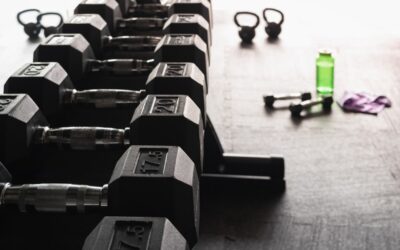
Gym flooring rolls are the preferred choice for covering large areas in home gyms, commercial fitness centers, and weight rooms. Sold in continuous rolls of rubber, they provide a seamless, durable surface that absorbs impact, reduces noise, protects subfloors, and provides traction for every type of workout. Whether you are outfitting a garage gym or a full commercial facility, this guide covers everything you need to know about gym flooring rolls, including thickness options, rubber types, installation methods, top brands, and pricing.
Why Choose Rubber Gym Flooring Rolls?
Rubber flooring rolls offer several advantages over other gym flooring options like interlocking tiles or individual mats.
Key Benefits
- Seamless coverage: Rolls cover large areas with minimal seams, creating a clean, professional look and eliminating gaps where dirt and moisture can collect.
- Impact absorption: Rubber absorbs the shock of dropped weights, jumping exercises, and heavy equipment, protecting both the subfloor and your joints.
- Sound dampening: Thick rubber significantly reduces the noise from weights hitting the floor, which is critical in residential settings and multi-story buildings.
- Durability: High-quality rubber gym flooring handles decades of heavy use without cracking, tearing, or compressing permanently.
- Easy maintenance: Sweep, vacuum, or mop with a neutral cleaner. Rubber requires no waxing, sealing, or special treatment.
- Traction: Rubber provides excellent grip for footwear and bare feet, even when wet from sweat.
Once the floor can handle the impact, it’s time to fill the space. A solid storage box keeps bands, gloves, and smaller gear organized between sessions.
We may earn a commission when you purchase through our links.
Types of Rubber Used in Gym Flooring Rolls
Recycled Rubber (SBR)
Most gym flooring rolls are made from recycled rubber, primarily sourced from reclaimed tires. This material, known as SBR (styrene-butadiene rubber), is ground into crumb, mixed with a polyurethane binder, and compressed into sheets. Recycled rubber is durable, affordable, and environmentally responsible. The trade-off is a strong rubber odor when new, which dissipates over several weeks. Recycled rubber rolls are typically black with colored flecks (blue, red, green, or gray) mixed into the surface.
Virgin Rubber
Virgin rubber (natural or synthetic) is manufactured from new raw materials rather than recycled content. It is denser, more consistent in texture, and produces significantly less odor than recycled rubber. Virgin rubber rolls are available in a wider range of solid colors and provide a more refined aesthetic. They cost more than recycled rubber but are preferred for indoor home gyms, yoga studios, and upscale commercial facilities where odor and appearance matter.
EPDM Rubber
EPDM (ethylene propylene diene monomer) rubber is used primarily for the colored flecks or solid-color layers in gym flooring. It is UV-stable, chemical-resistant, and maintains its color over time. EPDM is more expensive than SBR and is typically found in premium products or as a top layer on dual-density rolls.
Gym Flooring Roll Thickness Guide
Thickness is the most important specification when choosing gym flooring rolls. The right thickness depends on the type of exercise and equipment you will use.
3mm (1/8 inch)
The thinnest option, suitable only as a protective layer under cardio equipment (treadmills, ellipticals, stationary bikes) on an already-finished floor. Provides minimal impact absorption but protects the floor beneath from scratches and vibration marks. Not suitable for free weights or high-impact activities.
6mm (1/4 inch)
A light-duty option for bodyweight exercises, stretching, yoga, and light cardio. Provides modest cushioning and floor protection. Suitable for home gyms focused on fitness classes, resistance bands, and light dumbbells (under 50 lbs). Not adequate for dropping weights.
8mm (5/16 inch)
The most popular thickness for home gym flooring. Provides a good balance of impact absorption, floor protection, and stability. Suitable for general fitness, moderate weight training (dumbbells, kettlebells, machines), and bodyweight exercises. This thickness works well in garage gyms and basement setups where cost and versatility matter. Most home gym owners find 8mm rolls to be the sweet spot.
9.5mm (3/8 inch)
A step up that offers noticeably more cushioning and sound dampening. Good for home gyms with heavier weight training (barbells, weight plates up to 300 lbs) and for upper-floor installations where noise transmission to rooms below is a concern.
12mm (1/2 inch)
Heavy-duty thickness suitable for serious weightlifting, Olympic lifting platforms, and commercial gym environments. Provides excellent shock absorption for dropped weights and substantially reduces noise. This is the standard for CrossFit boxes and powerlifting gyms. The added thickness also provides more joint protection during standing exercises.
3/4 inch (19mm) and Thicker
The heaviest-duty rolls, used in Olympic weightlifting platforms, deadlift zones, and areas where extremely heavy loads are dropped regularly. These rolls often weigh over 100 lbs per roll and require professional installation. They provide maximum subfloor protection and noise reduction.
Standard Dimensions
Gym flooring rolls come in standard widths and lengths, though exact availability varies by brand.
- Width: Most commonly 4 feet. Some brands offer 6-foot widths for faster coverage with fewer seams.
- Length: Typically available in 10, 15, 25, and 50-foot lengths. Custom lengths may be available from some suppliers.
- Weight: An 8mm, 4 x 25-foot roll weighs approximately 100 lbs. A 12mm roll of the same size weighs approximately 150 lbs. Plan for help with handling and unrolling.
Home Gym vs. Commercial Gym Considerations
Home Gym
- 8mm thickness is sufficient for most home gym setups
- Virgin rubber or low-odor recycled rubber is recommended for enclosed indoor spaces
- Rolls can be loose-laid (not glued) in garages and basements for easy removal later
- Consider color and appearance, as the gym may share space with living areas
- Budget typically ranges from $1.50-$3.00 per square foot
Commercial Gym
- 12mm or thicker is standard for free-weight areas and group fitness zones
- Full-adhesive installation is recommended for permanent, high-traffic installations
- Recycled rubber is the cost-effective choice for large square footage
- Consider ADA compliance for accessibility and transition strips at doorways
- Budget typically ranges from $2.00-$5.00 per square foot depending on thickness and brand
Installation Methods
Loose-Lay Installation
The simplest method. Unroll the rubber, let it acclimate and flatten for 24-48 hours, trim to fit the room, and butt seams tightly together. No adhesive is used. This works well in home gyms, garages, and temporary setups. The weight of the rubber keeps it in place. The only downside is that seams may separate slightly over time and edges may curl in hot or humid conditions.
Taped Seams
For loose-lay installations where seam stability matters, apply double-sided carpet tape under the seams to keep rolls from separating. This is a middle-ground approach that adds security without permanent adhesive.
Full-Adhesive Installation
For permanent installations, spread a polyurethane adhesive over the subfloor with a notched trowel and roll the rubber into the adhesive. This creates a completely flat, immovable floor with tight seams. Full adhesive is recommended for commercial gyms, fitness studios, and any space where heavy equipment will be dragged or rolled across the floor. Removal is difficult, so this method is best for spaces dedicated to gym use long-term.
Subfloor Preparation
The subfloor should be clean, dry, and reasonably flat. Concrete is the ideal substrate for rubber rolls. Plywood subfloors work well too. Avoid installing rubber rolls over carpet, as the carpet compresses and creates an unstable surface. Fill any cracks or depressions in concrete with a patching compound before installation.
Top Gym Flooring Roll Brands
Rubber Flooring Inc.
One of the largest online retailers of rubber gym flooring. They offer a wide range of thicknesses, colors, and rubber types at competitive prices. Shipping is flat-rate or free on large orders. Popular for home gym builds due to accessible pricing and sample availability.
Rogue Fitness
Known primarily for CrossFit and strength equipment, Rogue also sells high-quality rubber flooring rolls. Their rolls are typically thicker (3/8 inch to 3/4 inch) and built for heavy-duty use. Premium pricing but excellent quality and trusted by competitive athletes.
IncStores
An online retailer offering affordable rubber rolls in various thicknesses. They cater to both home and commercial buyers and frequently run sales. Good customer service and fast shipping make them a popular choice for budget-conscious buyers.
Regupol (Aktiva)
A European manufacturer with a strong presence in the North American market. Regupol rolls are known for consistent quality, low odor, and excellent durability. They supply many commercial gyms and athletic facilities. Pricing is mid-to-premium.
Greatmats
A versatile supplier offering rubber rolls alongside interlocking tiles, mats, and specialty flooring. Greatmats provides detailed product specifications and comparison tools on their website, making it easy to choose the right product. Pricing is competitive, especially for mid-range products.
Pricing Guide
- 3mm recycled rubber rolls: $0.75-$1.50 per square foot
- 6mm recycled rubber rolls: $1.25-$2.00 per square foot
- 8mm recycled rubber rolls: $1.50-$2.75 per square foot
- 9.5mm recycled rubber rolls: $2.00-$3.50 per square foot
- 12mm recycled rubber rolls: $3.00-$5.00 per square foot
- 3/4 inch recycled rubber rolls: $5.00-$8.00 per square foot
- Virgin rubber rolls (any thickness): Add 30-50% to recycled rubber pricing
For a typical 200-square-foot home gym using 8mm recycled rubber, expect to spend $300-$550 on flooring materials. Shipping costs for heavy rubber rolls can be significant ($50-$200+ depending on distance and quantity), so factor that into your budget.
Dealing with Rubber Odor
New recycled rubber flooring has a distinct tire-like smell that some people find strong. Here are strategies to minimize it:
- Unroll the rubber in a well-ventilated space and allow it to off-gas for 1-2 weeks before installation in an enclosed room.
- Open windows and use fans to circulate air during and after installation.
- Choose virgin rubber or low-odor recycled products if odor sensitivity is a concern.
- The smell diminishes significantly within 2-4 weeks and is typically undetectable after 1-2 months in a ventilated space.
- Cleaning the surface with a mild detergent solution after installation can help reduce initial odor.
Maintenance and Care
- Sweep or vacuum regularly to remove dust, chalk, and debris.
- Mop with warm water and a pH-neutral cleaner. Avoid bleach, ammonia, or solvent-based cleaners.
- Wipe up sweat and spills promptly to prevent bacterial growth.
- For commercial gyms, use a commercial rubber floor cleaner and an auto-scrubber for efficient cleaning.
- Rubber floors do not need waxing, sealing, or refinishing.
Gym flooring rolls are a smart investment for any workout space, providing the protection, performance, and durability that serious training demands. For more flooring options for active spaces, explore our rubber flooring guide and epoxy flooring guide for garage and commercial alternatives.
Prefer to explore on your own?
See how new flooring looks in your actual room in seconds — free, no signup.
Try the free Floor Studio →