Weathered gray shingles, bright white trim and a wide porch facing a green lawn: that combination is what most people mean by hamptons style homes. The look grew out of the late 19th century Shingle Style houses built along the Northeast coast, and it has since spread to suburbs and lake towns far from any ocean. It is relaxed but polished, which is exactly why it has stayed popular for more than a century.
At its core, the style is about natural cedar shingles wrapping the whole house, a roofline with several gables or a gambrel, multi-pane windows framed in white, and generous outdoor living spaces. Interiors tend to be light and airy, but the exterior is what defines it. You do not need a beachfront lot to pull it off. You need the right siding, trim proportions, roof shape and a few carefully chosen details.
- What Defines Hamptons Style Homes
- Hamptons Style vs Modern Beach House and Cape Cod
- Cedar Shingle Siding: The Heart of the Look
- Trim, Windows and Roof Details That Sell the Style
- Outdoor Living and Landscaping
- How to Give Your House a Hampton Style Makeover
- Maintenance and Long-Term Costs
- Frequently Asked Questions
Here is how to recognize the style, how it differs from other coastal looks, what materials it relies on, what it costs to maintain, and how to update an existing house toward a Hamptons feel.
What Defines Hamptons Style Homes
Architects designing summer houses on Long Island and the New England coast in the 1880s blended colonial forms with the informal massing of the era. The result, later called the Shingle Style, became the template for hamptons style homes. Look for these features working together:
- Continuous shingle cladding: wood shingles on the walls, often wrapping corners without corner boards so the house looks like one smooth skin.
- Complex rooflines: cross gables, gambrel roofs, broad dormers and occasionally a rounded tower or eyebrow dormer.
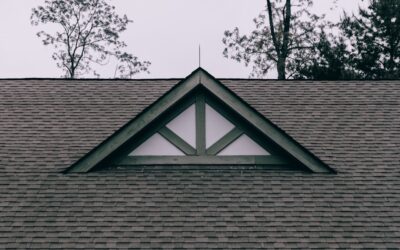
- White painted trim on windows, fascia, porch columns and railings, contrasting sharply with the silvery or natural shingles.
- Multi-pane windows, often six-over-one or divided upper sashes, sometimes grouped in bands of three or four.
- Deep porches and verandas with simple columns, plus pergolas, balconies or screened porches.
- Stone or brick foundations and chimneys that ground the light-colored upper walls.
A hampton style house is usually asymmetrical. Unlike a formal colonial with a centered door, the entry may sit off to one side under a porch roof, and wings often step back at different depths. That irregular massing is part of the charm.
Hamptons Style vs Modern Beach House and Cape Cod
These coastal looks get lumped together, but they read differently from the street.
Hamptons vs Modern Beach House
A modern beach house leans on flat or low-slope roofs, big expanses of glass, horizontal cladding and minimal trim. The Hamptons look is traditional: steeper roofs, shingle texture, visible white trim and divided-lite windows. If the house would look at home in a sailing club photo from 1920, it is closer to Hamptons.
Hamptons vs Cape Cod
A Cape Cod is a small, symmetrical one-and-a-half-story house with a steep side gable roof and a central chimney. Capes can wear cedar shingles too, but they are compact and simple. Hamptons homes are larger, with more wings, porches and roof complexity.
Hamptons vs Coastal Farmhouse
Coastal farmhouse styling usually uses board-and-batten or lap siding painted white with black windows and metal roofs. Swap the siding for shingles, lighten the windows to white and add a porch with columns, and you move toward the Hamptons look.
Cedar Shingle Siding: The Heart of the Look
Nothing says Hamptons like cedar shingle siding. Real cedar contains natural oils that resist decay and insects, and left unfinished, it weathers from honey tan to soft silver gray within one to three years near salt air, a little longer inland. That gray patina is the classic finish.
Your main material choices:
- Natural cedar shingles, left to weather: lowest maintenance in finish terms, but the gray develops unevenly on walls with different sun and rain exposure.
- Cedar shingles with a bleaching oil: speeds and evens out the graying process for a uniform look.
- Stained or painted cedar: gives a controlled color such as soft gray, white or sage, but needs re-coating roughly every 4 to 7 years.
- Prefinished shingle panels: cedar shingles mounted on backer strips, faster to install with consistent exposure.
- Fiber cement or PVC shingle-look siding: mimics the texture with less maintenance and better fire resistance, though up close it lacks the irregular grain of wood.
Installed cedar shingle siding generally costs more than vinyl or standard fiber cement lap siding. Expect a broad range of roughly $8 to $15 per square foot installed for natural cedar shingles, depending on grade, wall complexity and region, with prefinished options at the higher end. Synthetic shingle siding usually falls somewhat lower.
Install details matter for longevity. Use stainless steel or hot-dipped galvanized nails to prevent rust streaks and staining, leave a small gap between shingles for swelling, and install over a rainscreen or drainage mat so the backs can dry. On older houses, check for lead paint on any existing trim before scraping, and test before sanding.
Trim, Windows and Roof Details That Sell the Style
Siding alone does not make a hampton style house. The white trim package does a lot of the work.
- Window casings: use flat casing at least 3.5 to 5.5 inches wide with a thicker sill. Skinny trim looks cheap against shingle texture.
- Window style: white frames with simulated divided lites in the upper sash. Grouped windows under a single head trim give the porch-facing walls a classic look.
- Fascia and frieze boards: wide, painted white, so the roofline reads clearly.
- Columns and railings: simple square or round columns, square balusters, painted white.
- Roofing: cedar shakes are traditional, but architectural asphalt shingles in weathered wood or gray tones are common and much cheaper. Standing seam metal shows up on porch roofs as an accent.
- Shutters: optional, often painted a muted gray-blue or left off entirely. If used, size them to actually cover the window.
Hardware and lighting should feel nautical but restrained: lantern-style sconces in aged brass or dark bronze, a simple door knocker and house numbers in a classic serif font. Doors are often painted glossy white, navy or a soft blue-gray.
Outdoor Living and Landscaping
Porches are not decoration in hamptons style homes; they are living space. A front or wraparound porch at least 8 feet deep fits furniture comfortably. Painted tongue-and-groove porch floors in gray, a pale blue beadboard ceiling and a pair of rocking chairs or a swing complete the classic picture.
Behind the house, look for a large deck or bluestone patio, a pergola draped with climbing roses or wisteria, and a pool framed in light stone. Landscaping relies on clipped boxwood or privet hedges, white hydrangeas, ornamental grasses and lawn. A white picket or post-and-rail fence finishes the edge.
If you are building a new porch, deck or pergola, secure posts to proper footings, check frost depth for your area, call 811 before digging, and confirm permit and HOA requirements before construction.
How to Give Your House a Hampton Style Makeover
You can push a fairly ordinary house toward the look in stages. Prioritize the changes with the biggest visual impact per dollar:
- Paint the trim white and refresh doors in a coastal color. Fast and inexpensive.
- Widen window and door casings with flat stock trim boards to give them more presence.
- Add or expand a porch, even a modest covered entry with columns, to soften the facade.
- Switch siding to shingles, either across the whole house or in gables and upper stories as an accent, which costs far less than a full reside.
- Upgrade lighting and hardware to lantern sconces and simple classic fittings.
- Layer the landscape with hedges, hydrangeas and a defined front walk in brick or bluestone.
Avoid mixing too many trends. Black windows, heavy stone veneer and dark board-and-batten pull the house toward modern farmhouse instead. Stick to a short palette: weathered gray or natural shingles, white trim, one accent color.
Maintenance and Long-Term Costs
Shingle exteriors are durable when water is managed. Plan on yearly inspections:
- Clean gutters and confirm downspouts discharge away from the foundation.
- Keep shrubs trimmed at least 12 inches off the siding so shingles can dry.
- Replace cracked or cupped shingles promptly to stop water reaching the sheathing.
- Repaint white trim every 5 to 8 years, more often on the sunny side or near salt spray.
- Watch for mildew on north walls; a mild oxygen bleach wash and soft brush usually lifts it. Avoid pressure washing, which shreds the wood surface.
Well-installed cedar shingle walls can last 30 to 50 years or more. Painted trim and stained shingles drive most of the ongoing cost. Budget a few hundred dollars a year for small repairs and a larger repainting or re-staining project every several years, which can run several thousand dollars on a large house with lots of trim.
If you are planning major structural changes such as new dormers, a second story, or a large wraparound porch, bring in an architect or designer familiar with the style and a licensed contractor. Proportions make or break this look, and a dormer that is too large or a porch roof at the wrong pitch is hard to fix later.
Frequently Asked Questions
What are hamptons style homes known for?
They are known for cedar shingle siding that weathers to silver gray, crisp white trim, gabled or gambrel rooflines, multi-pane windows and generous porches. The overall mood is relaxed coastal elegance.
Is Hamptons style the same as Shingle Style?
They are closely related. Shingle Style is the historic architectural term for the 1880s to 1900s coastal houses, and the Hamptons look is the modern design shorthand that draws directly on those homes and their materials.
Can I get the look without real cedar shingles?
Yes. Fiber cement or PVC shingle-look siding in a weathered gray tone reproduces the texture with less maintenance. Pair it with wide white trim and divided-lite windows so the overall effect still reads as Hamptons.
How long does it take cedar shingles to turn gray?
Unfinished cedar near the coast usually turns silver gray within one to two years. Inland, it can take two to three years and may weather unevenly. A bleaching oil helps the color develop faster and more evenly.
What colors work best on a Hampton style house?
Natural or weathered gray shingles with white trim are the classic pairing. Accent doors and shutters look good in navy, soft blue-gray, sage or glossy black, kept to one accent color for a clean look.