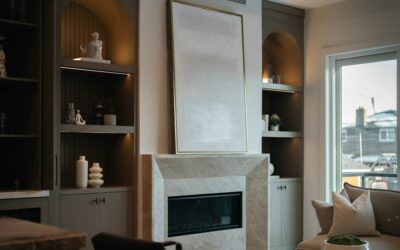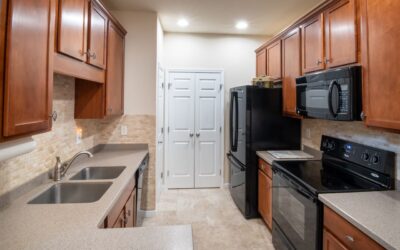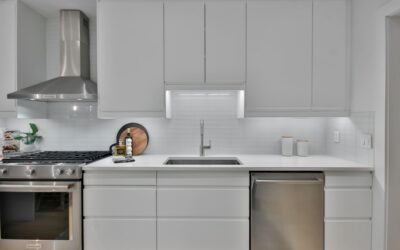
Choosing among the different kitchen styles is the single biggest decision in any kitchen remodel because it locks in cabinet door profiles, hardware, countertops, lighting, and appliances. Get the style right and every subsequent choice flows naturally; pick the wrong style and you fight the design at every selection meeting. Below are nine of the most relevant kitchen aesthetics in 2026, with the materials, color palettes, and approximate price ranges that define each one.
Part of our Kitchen Remodeling guide — explore the full guide →
Modern Farmhouse
The dominant style of the past decade still tops Houzz searches. Defining features: shaker cabinets in white or muted greens, apron-front (farmhouse) sinks, butcher block or quartz countertops, matte black hardware, and shiplap accents. Layered lighting includes one large pendant or chandelier over the island.
Material costs run mid-range: $30,000 to $65,000 for a full kitchen remodel in a 200 sq ft space. The look ages well and resells well in suburban markets. Avoid going overboard on barn doors or sliding ladders, which date fast.
Contemporary and Modern
Slab-front cabinets, integrated appliances, waterfall quartz islands, and minimal or no upper cabinets define contemporary kitchens. Color palettes lean monochromatic: white on white, charcoal on oak, or deep navy with brass accents. Hardware is often invisible (push-to-open or finger pulls).
Expect to spend $50,000 to $120,000 because of the precision required. Slab fronts show every defect, and integrated appliances cost 30% to 50% more than freestanding counterparts.
Traditional
Raised-panel cabinets, ornate crown molding, glazed finishes, granite or marble countertops, and decorative range hoods define traditional. Color palettes include cream, espresso, cherry, and warm whites. Hardware tends toward antique brass and oil-rubbed bronze.
This style fits center-hall colonial and craftsman homes. Cost lands $35,000 to $80,000. Quality custom cabinetry from companies like Wood-Mode or Crown Point keeps the look authentic; big-box stock cabinets often miss the mark.
Transitional
The middle ground between traditional and contemporary, transitional uses simplified shaker or recessed-panel cabinets, neutral palettes, mixed metals, and a balance of decorative and clean-line elements. It is the safest resale style; appraisers and buyers consistently respond well.
Budget $30,000 to $70,000. The flexibility to mix materials means you can save by combining stock cabinets with one or two custom features.
Industrial
Exposed brick, concrete or stainless countertops, black metal shelving, factory-style pendant lighting, and cabinets in dark wood or matte black define industrial. Open shelving replaces upper cabinets in many designs. Subway tile or zellige in dark grout completes the look.
Industrial reads best in lofts, converted warehouses, and homes with at least 10-foot ceilings. Cost varies widely from $25,000 (urban DIY) to $90,000 (high-end custom). Maintenance is higher because exposed materials show every fingerprint.
Scandinavian
Light woods (white oak, ash), white walls, minimal hardware, butcher block or pale quartz countertops, and uncluttered open layouts define Scandinavian style. The aesthetic prioritizes natural light, often with no upper cabinets at all to keep walls bright.
Cost runs $35,000 to $75,000. The minimalism only works if storage is well-planned in the lower cabinets; budget for high-quality drawer organizers and pull-outs.
Mediterranean and Tuscan
Distressed wood cabinets, terracotta or travertine flooring, hand-painted tile backsplashes, copper or wrought iron lighting, and warm earthy color palettes (ochre, terracotta, sage) define Mediterranean. Range hoods often dominate as a focal point with stucco or stone surrounds.
This style fits Mediterranean Revival, Spanish Colonial, and Tuscan-inspired homes. Cost lands $40,000 to $95,000 because of specialty tile and custom hood work.
Coastal and Hamptons
Beadboard or shaker cabinets in white, soft blues, or sandy beige, marble or quartz countertops, polished nickel hardware, and natural fiber accents (jute rugs, woven shades) define coastal kitchens. Glass-front upper cabinets display white dishware. Lighting often includes seeded glass or rope-wrapped pendants.
Budget $30,000 to $70,000. The style works well in beach towns and equally well in suburban homes that want a relaxed feel year-round.
Mid-Century Modern
Flat-panel cabinets in walnut or teak, integrated handles, simple geometric tile, terrazzo or quartz countertops, and brass or chrome hardware define MCM kitchens. Bold color accents (avocado green, burnt orange, mustard yellow) appear in tile, appliances, or accent cabinets.
Cost runs $35,000 to $80,000. Authentic mid-century cabinetry from Semihandmade or Reform (an IKEA fronts company) saves significantly versus full custom.
How to Choose Your Kitchen Style
- Look at your home’s exterior architecture; pick a style that matches or complements it
- Pull 20 inspiration photos from Houzz or Pinterest and identify common threads
- Consider how long you plan to stay; the longer you stay, the more you can lean into a personal style
- Set a budget before falling in love with materials
- Visit two or three working kitchens in person before finalizing
Common Style Mistakes
Mixing too many styles in one room reads as confused rather than eclectic. Pick one primary style and use one secondary style for accents only. The other classic mistake is choosing trendy elements that will look dated in five years (mirror backsplashes, ultra-bright tile patterns, oversized barn doors).
FAQ: Different Kitchen Styles
What is the most popular kitchen style in 2026? Modern farmhouse and transitional remain the most-searched. Warmer organic modern (a softer contemporary) is rising fastest.
Which style has the best resale value? Transitional and modern farmhouse appeal to the broadest buyer pool.
How long does a kitchen style stay in fashion? Classic styles (traditional, transitional, Scandinavian) age 20+ years. Trendy choices typically last 5 to 8 years before feeling dated.
Can I mix kitchen styles? Yes, when one is primary and one is accent. Mixing equally usually fails.
What is the cheapest kitchen style to build? Modern Scandinavian, because it uses fewer cabinets, minimal trim work, and forgives stock IKEA cabinet boxes paired with custom fronts from companies like Semihandmade or Plykea for a high-end look at near builder-grade pricing.