
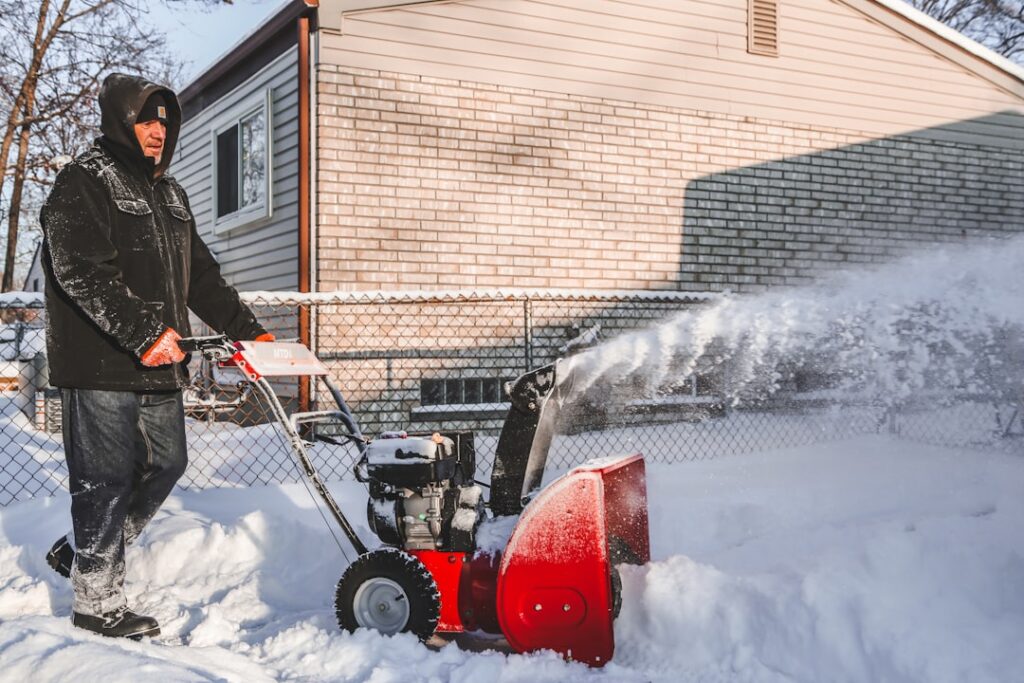
Harbor Freight built its reputation on cheap tools that punch above their price, and their snow throwers follow the same playbook. A Harbor Freight snow blower typically undercuts comparable name-brand machines by a few hundred dollars while running the company’s well-regarded Predator engine, the same power plant that has earned a cult following among go-kart builders and generator owners. I have spent enough winters around gas equipment to know that cheap does not always mean disposable, so let me walk through what you actually get and who should buy one.
The short version: for a homeowner clearing a normal driveway in a region with moderate to heavy snow, these machines deliver genuine value. They are not the most refined units on the market, but the price-to-capability ratio is hard to argue with.
The Predator Engine Advantage
The heart of the value story is the Predator engine. Harbor Freight’s Predator line is a range of overhead-valve four-stroke engines widely praised for reliability, easy starting, and dirt-cheap parts. Two-stage snow throwers in the lineup commonly run Predator engines in the 212cc to 302cc range, producing enough impeller speed to throw snow 30 feet or more.
Because the Predator platform is so popular, parts and accessories are everywhere and inexpensive. Carburetors, recoil assemblies, and gaskets cost a fraction of what a proprietary engine part runs, and a huge online community documents every repair. That parts availability is a quiet but real advantage over some budget-import competitors whose engines are effectively orphaned the day the warranty ends.
Models and Specs You Can Expect
Harbor Freight’s snow-blower offerings shift year to year, but the two-stage machines are the core of the lineup. Typical specifications look like this:
- Clearing width: generally 24 inches on the mainstream two-stage model, enough to clear a two-car driveway in reasonable passes.
- Intake height: around 20 to 21 inches, which handles all but the deepest plow piles.
- Engine: Predator OHV gas, commonly 212cc or larger.
- Drive: self-propelled with multiple forward speeds and reverse.
- Chute: manually cranked directional chute with adjustable deflector.
- Start: both recoil pull-start and 120V electric start on most units.
These are steel-auger, above-ground-auger machines, meaning they work on gravel and uneven surfaces, not just smooth pavement. That puts them in direct competition with mainstream two-stage units from the big brands.
The Price Difference That Drives the Decision
Price is the whole pitch. A comparable 24-inch, Predator-powered two-stage snow blower from Harbor Freight generally lands in the $600 to $1,000 range, and coupons or seasonal sales can push it lower. A similarly sized two-stage from a premium brand often runs $900 to $1,300 or more. That gap of roughly $300 buys a lot of shear pins and fuel stabilizer.
For a homeowner who clears snow a dozen or so times a season, not a commercial operator running the machine daily, that savings is meaningful and the capability difference is small. You are trading some fit-and-finish refinement and a shorter warranty for real money kept in your pocket.
Honest Pros
- Lowest price for the capability: genuine two-stage performance at a single-stage-plus price point.
- Predator engine reliability: proven, easy-starting, and cheap to service.
- Abundant, affordable parts: the huge Predator aftermarket means you can fix almost anything for a few dollars.
- Electric start standard: no fighting a frozen recoil cord on a cold morning.
- Handles real snow: steel auger and 200-plus cc engines clear wet, heavy accumulation and gravel driveways.
Honest Cons
No machine is all upside, and pretending otherwise does nobody any good. The trade-offs on a budget snow blower are real:
- Shorter warranty: coverage is typically shorter than premium brands, often around 90 days on the base warranty, though extended coverage is sometimes offered at purchase.
- Fewer premium features: do not expect heated grips, power steering, or LED dash lighting at this price.
- Fit and finish: chutes, cables, and controls feel less polished than a top-tier machine, and assembly quality can vary unit to unit.
- Assembly required: expect to bolt on the handles and chute and check all fasteners before first use.
- Resale and dealer network: no widespread servicing dealer network, so you are largely your own mechanic.
Who Should Buy One
This machine makes the most sense for the budget-minded homeowner who is comfortable turning a wrench occasionally and lives somewhere with regular but not extreme snowfall. If you already own Predator-powered equipment and appreciate the parts ecosystem, the fit is even better. DIYers who do their own oil changes and are not intimidated by swapping a shear pin or cleaning a carburetor will get the most out of the ownership experience and the lowest cost per season.
Who should look elsewhere? Someone who wants push-button convenience features, the longest possible warranty, and a local dealer to hand the machine to every fall. Commercial users clearing lots daily should also buy up-market, since duty cycle and refinement matter more when the machine runs constantly.
How It Compares to Name Brands
Put a Harbor Freight two-stage next to a mainstream 24-inch machine from a household brand and the differences are mostly at the margins. Both use a steel auger and impeller, both self-propel, both throw snow 30-plus feet, and both handle the same 6 to 12 inch storms that make up most of a season. Where the premium machine pulls ahead is refinement: smoother cable action, a more polished chute mechanism, sometimes a slightly larger engine, and features like heated grips or LED lights that the budget unit skips.
The bigger practical difference is the support structure behind the machine. Premium brands sell through dealer networks that service what they sell, offer multi-year warranties, and stock proprietary parts for years. Harbor Freight sells the box and largely leaves the wrenching to you. If you value a dealer relationship and a long warranty, pay up. If you value keeping $300 and you own a socket set, the value equation tips the other way.
Setup, Break-In, and Long-Term Maintenance
A budget snow blower rewards a careful first hour more than an expensive one does. Out of the box, bolt on the handles and chute, then go around the entire machine and confirm every fastener is torqued, because factory assembly on value equipment can be inconsistent. Check the auger gearbox and engine oil levels before you ever pull the cord; running low or dry on either is the fastest way to kill a machine on day one.
Set the skid shoes so the scraper bar sits about a quarter inch off smooth pavement, or higher on gravel so you are not picking up stones. Do a short test run in the driveway before the first storm, verify the electric start works from a wall outlet, and confirm the chute rotates and locks where you aim it. Ten minutes of setup prevents the frustration of discovering a loose cable in the middle of a blizzard.
It also pays to break the machine in gently. Run the engine at part throttle for the first few minutes, let it reach operating temperature, and take an easy first pass through lighter snow before you attack a packed plow pile. A budget engine that is treated well during its first tank of fuel tends to run trouble-free for years, while one that is thrashed cold on day one is far more likely to develop hard-starting habits down the road.
Treat a budget machine well and it will outlast its price many times over. The maintenance routine is identical to any gas two-stage unit: change the oil at the start of each season and roughly every 25 to 50 hours, stabilize the fuel or run the tank dry before summer storage, keep spare shear pins on hand, and spray the chute with silicone so wet snow does not pack in. Check the belt tension and the auger gearbox oil annually.
The one extra step worth taking on any budget machine is a careful once-over of every bolt and cable after assembly and again after the first heavy use, because factory torque and cable adjustment can be inconsistent. Do that, keep up with basic service, and a Harbor Freight snow blower repays its low sticker price with seasons of dependable driveway clearing that most homeowners will find hard to distinguish from a machine that cost hundreds more.


