The single most common renovation regret in flooring is the stain color. Not the species, not the width, not the finish sheen. The color. Hardwood floor colours set the tone for every other design choice in a room, from cabinet stain to wall paint to rug selection. Picking right takes more than a 2-inch sample chip held over a manufacturer brochure. It takes understanding undertones, room lighting, and how a color will age over the next 15 to 25 years.
- Why Color Choices Date Faster Than Anything Else
- Common Hardwood Floor Color Categories
- Undertones Matter More Than the Color Family
- Species Affects Final Color More Than Stain Does
- Pros of Lighter Floors
- Pros of Darker Floors
- Trends Worth Considering in 2026
- Test Samples in Your Actual Space
- Finish Sheen Affects Perceived Color
- Final Recommendation
Why Color Choices Date Faster Than Anything Else
Wood floors typically last 30 to 80 years. Stain trends change every 7 to 10. The orange-toned red oak that defined the 1990s aged into a renovation liability by 2010. The dark espresso of the 2010s now reads as builder-grade. The gray-washed white oak that exploded after 2015 already feels less fresh in 2026.
The lesson is not to chase trends. It is to pick colors that lean toward neutral, with subtle natural undertones, and to understand exactly what wood species pairs well with which stain.
Common Hardwood Floor Color Categories
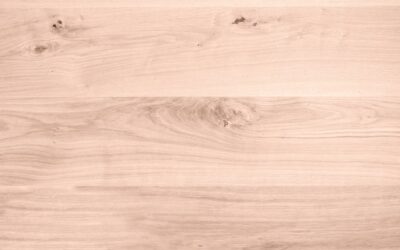
- Natural and clear-finished: No stain, just sealer. Lets the species’ natural color show. White oak reads honey-beige. Red oak reads pink-orange. Walnut reads chocolate brown.
- Light blonde: Bleached or whitewashed finishes. Scandinavian-inspired. Most popular on white oak and maple.
- Mid-tone neutral: Warm honey, golden oak, light cognac. The most forgiving long-term range.
- Gray and gray-wash: From light driftwood to deep charcoal. Trended hard 2015-2022. Cooling now but still common.
- Dark brown and espresso: Jacobean, dark walnut, ebony. Dramatic but shows dust, scratches, and pet hair more than any other range.
- Reactive and fumed: Iron acetate or ammonia darkens tannins in white oak to deep gray-brown. Color comes from the wood itself, not stain, so it ages beautifully.
Undertones Matter More Than the Color Family
Pick up a stain sample and turn it under three different light sources: morning daylight, afternoon incandescent, evening warm LED. The color will read differently in each. The shifts come from the undertone.
Warm undertones are red, yellow, and orange. Common in red oak and most “natural” finishes. Cool undertones are gray, blue, and green. Common in gray-washed white oak and many modern fashion stains. Neutral undertones avoid both extremes and pair with the widest range of wall colors and furniture.
The single most common color mistake is mixing undertones. A cool gray floor with warm honey-stained kitchen cabinets fights itself visually. Pick one tonal family and commit.
Species Affects Final Color More Than Stain Does
Two boards stained with the same Minwax Provincial will not look the same. Red oak absorbs stain unevenly because of its open grain structure, producing a blotchy, pink-warm result. White oak takes the same stain more evenly with a cleaner brown reading. Maple barely accepts stain at all without conditioner, often producing patchy results. Walnut darkens predictably and beautifully under almost any oil-based stain.
If you want a specific final color, start with a species that produces that color naturally or close to it. Trying to stain maple to look like walnut almost never works. Trying to stain red oak to look like white oak is even harder.
Pros of Lighter Floors
Light floors are having a long moment, and the practical reasons are real. Dust, pet hair, and scratches show far less on a blonde or honey floor. The space feels brighter and reads larger, which matters in homes under 1,500 square feet. Resale value tends to be more stable because lighter floors fit more design styles.
Maintenance is also easier. Lighter stains hide minor wear on edges and high-traffic paths. Dark floors require near-daily sweeping to avoid the tumbleweeds of dust most homes generate. In a household with shedding pets or active kids, a light floor is more forgiving by every measure.
Pros of Darker Floors
Dark hardwood projects formality, depth, and contrast. A coffee-brown or rich espresso floor with white trim and pale walls is a classic look that has worked since the early 1900s. Dark floors define rooms with visual weight and pair beautifully with high ceilings and lots of natural light.
Color saturation also helps disguise variation in lower-grade wood. Knots, mineral streaks, and color variation that would stand out under a clear finish disappear under a dark stain. If you are working with character-grade or rustic-grade wood, darker finishes hide the imperfections elegantly.
Trends Worth Considering in 2026
Three directions are gaining ground:
- Natural matte white oak: Clear hard-wax oil finish, no stain. Honey-beige reading with light wire-brushed texture. Replacing gray-wash as the default upscale look.
- Reactive smoked oak: Iron acetate or commercial smoking creates deep gray-brown tones from the wood’s own tannins. Ages without changing dramatically.
- Warm mid-tones returning: Honey, cognac, and golden walnut are showing up more after a decade of cool gray dominance.
Avoid extreme ends of the spectrum unless you have specific reason. Pitch-black ebony floors and bleached-white floors are statement choices that limit furniture and wall color flexibility for the next two decades.
Test Samples in Your Actual Space
Manufacturer chips do not represent how a stain will look on your wood, in your light, in your room. Order or paint up at least three 24×24 inch samples and place them in different parts of the room. Leave them down for 48 hours. Look at them at 7 AM, noon, and 8 PM. The color you pick at 11 AM in a bright kitchen will look completely different at sunset under warm LEDs.
For new installations, ask the installer to stain a 4×4 foot test area on the actual floor before committing. Most pros will do this for a small fee and it eliminates the largest risk in the project.
Finish Sheen Affects Perceived Color
Gloss finishes amplify color saturation and show every scratch. Satin or matte finishes mute color slightly and hide wear. A walnut stain under high-gloss polyurethane reads almost black. The same stain under matte oil-modified urethane reads a warmer chocolate brown.
Matte and satin sheens dominate the current market for good reason. They look natural, hide damage, and age more gracefully than high-gloss. For most homes, a 25 to 35 percent sheen level is the sweet spot. Reserve gloss finishes for formal spaces with low traffic.
Final Recommendation
Pick neutral undertones over warm or cool extremes. Choose mid-tone colors over very light or very dark for long-term flexibility. Match your species to your target color rather than fighting the wood. And always sample on the actual floor before committing 800 square feet of $9-per-foot material to a color you saw on Instagram three months ago. Done with that discipline, hardwood floor colours stay beautiful and relevant for the entire life of the floor.
Prefer to explore on your own?
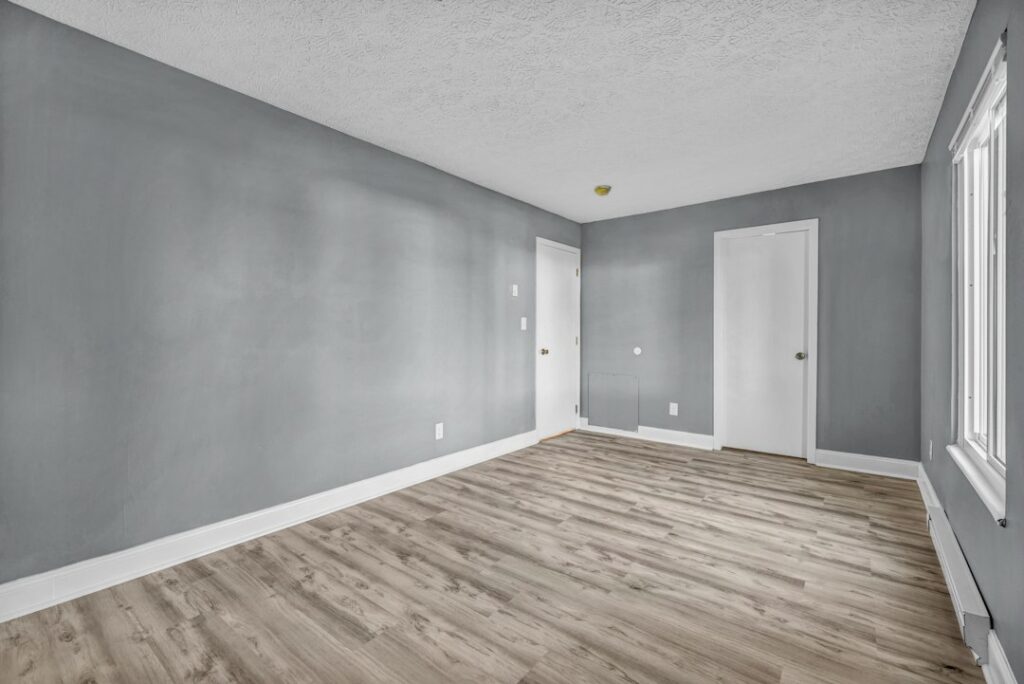
See how new flooring looks in your actual room in seconds — free, no signup.
Try the free Floor Studio →