Choosing among the many hardwood floor stain colors for oak is one of the most consequential decisions in any floor refinishing job, and one homeowners most often get wrong from a tiny sample. Oak is the most popular hardwood in American homes for good reason: it takes stain predictably, its open grain adds character, and it works with nearly every color from pale Scandinavian white to near-black espresso. But red oak and white oak react differently to the same can of stain, so the color on the shelf is rarely the color on your floor.
After finishing thousands of square feet of oak, here are the colors that consistently deliver, and how to pick the right one for your space.
- Red Oak vs White Oak: Why It Matters
- Natural and Clear Finishes
- The Most Popular Stain Colors for Oak
- Light, Medium, or Dark: Practical Tradeoffs
- Matching Stain to Your Room and Decor
- Trending Directions in Oak Floors
- Cost and Timeline
- Always Test Samples on Your Actual Floor
- Maintaining Your Stained Oak Floor
- Making the Final Call
Red Oak vs White Oak: Why It Matters
Before you pick a color, know your wood. Red oak has pink and salmon undertones and a busy, swirling grain. White oak leans golden-brown to grayish and has a straighter, calmer grain with more tannin.
That tannin difference is huge for staining. White oak takes cool grays, greiges, and reactive finishes beautifully because its undertone is neutral. Red oak fights gray stains, and its pink undertone can turn a cool color muddy or purplish. If you have red oak and want a modern gray or white, you will need a color specifically formulated to counteract the pink, or you will fight the undertone the whole way.
Natural and Clear Finishes
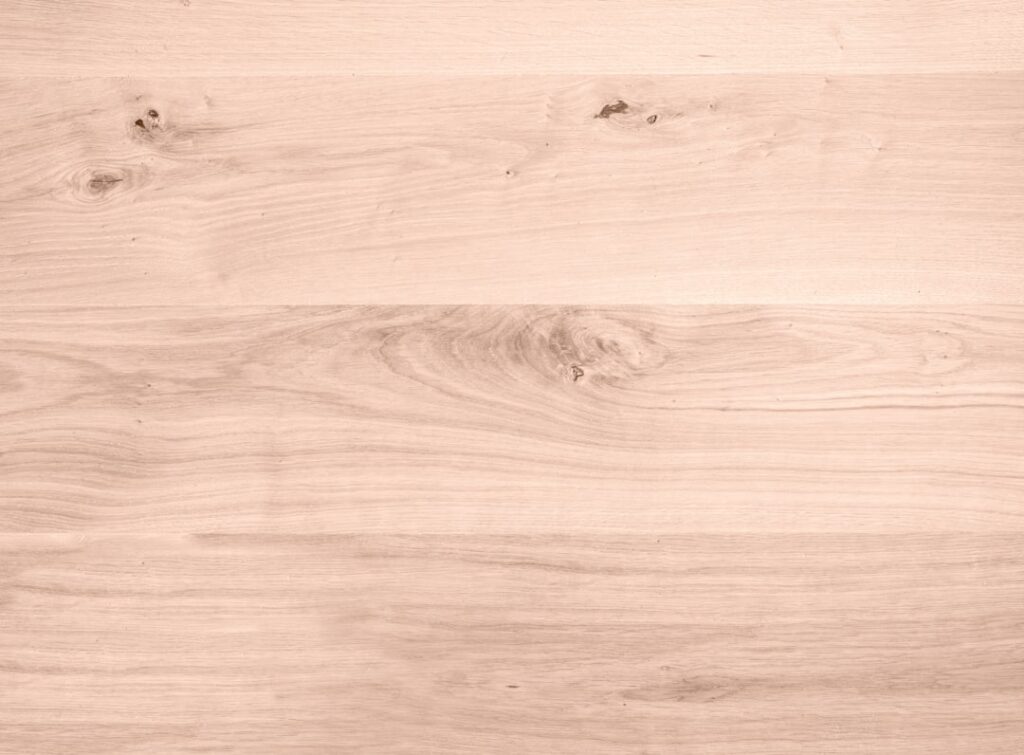
Not every floor needs stain. A clear finish with no pigment lets oak’s own color show, and it is the lowest-maintenance option because touch-ups blend easily.
- Natural (no stain, poly only): Warm honey-gold on red oak, soft wheat on white oak. Timeless and forgiving of scratches.
- Water-based clear finish: Keeps oak looking raw and pale, avoiding the amber the oil-based poly adds.
- Hardwax oil, natural: A matte, low-sheen raw-wood look that has become very popular in modern homes.
Clients who want that light, airy, undone look often skip stain entirely and pair white oak with a water-based finish for the palest possible result.
The Most Popular Stain Colors for Oak
These are the shades I get asked for most, and they photograph and wear well:
- Special Walnut: A medium warm brown that suits both oak species and hides dirt. The safest crowd-pleaser.
- Provincial: A soft neutral brown that reads slightly cooler than Special Walnut. Excellent on red oak because it calms the pink.
- Early American: A light-to-medium tan-brown with a rustic, traditional feel.
- Jacobean: A deep, rich cool brown that hides scratches and grounds a room. A designer favorite.
- Dark Walnut and Espresso: Near-black, dramatic, and modern, but they show every crumb and dust bunny.
- Weathered Oak and Classic Gray: Cool, muted tones best reserved for white oak. Often blended together to control undertone.
- Golden Oak and Gunstock: Warm honey and amber traditionals that never fully go out of style.
Light, Medium, or Dark: Practical Tradeoffs
Color choice is not just aesthetic. Each depth of tone behaves differently day to day.
Light floors, whether natural or whitewashed, hide dust, scratches, and pet hair the best and make small rooms feel larger. They are the most forgiving for busy households. Medium browns like Special Walnut and Provincial strike the best balance, concealing dirt while adding warmth, which is why they dominate real estate resale. Dark floors look luxurious and dramatic but reveal every speck of dust, footprint, and fine scratch, and they demand daily maintenance to look their best.
Matching Stain to Your Room and Decor
The right color depends as much on your space as on personal taste. In a room with abundant natural light, darker stains look rich and controlled, while the same shade in a dim, north-facing room can feel heavy and cave-like. Small rooms open up with lighter tones, and large open-plan spaces can carry a bolder, darker floor without feeling closed in.
Consider your wall colors and cabinetry too. Cool gray-brown floors pair beautifully with white and blue-gray palettes, while warm honey and walnut tones flatter cream walls, wood trim, and traditional furnishings. A floor that clashes with your undertones will nag at you every day, so pull the stain choice into the whole room’s color story rather than deciding it in isolation.
Trending Directions in Oak Floors
Design trends move, and oak stain choices move with them. For the past several years, light and natural white oak has dominated new construction and remodels, driven by the clean, Scandinavian, and modern-farmhouse aesthetics. Matte and low-sheen finishes have largely replaced the glossy floors of decades past.
Warm mid-tones like Special Walnut are quietly returning as the ultra-gray trend cools off, and true grays now read as slightly dated to some buyers. If resale is a priority, a warm-to-neutral medium brown is the safest bet, since it flatters oak’s natural grain and appeals to the widest range of buyers rather than chasing a trend that may fade.
Cost and Timeline
Staining is part of a full sand-and-refinish, not a standalone job. Expect the following:
- Sand, stain, and finish (3 coats): $4 to $8 per sq ft installed
- Adding a custom stain color or blend: $0.50 to $1.50 per sq ft extra
- Timeline: 3 to 5 days for a typical floor, plus 2 to 7 days of cure time before heavy furniture returns
A 500-square-foot living and dining area typically runs $2,500 to $4,000 to sand, stain, and finish. Water-based finishes cure faster and yellow less; oil-based finishes cost less and add warm amber tone.
Always Test Samples on Your Actual Floor
This is the single most important tip in this guide. Never choose from a store sample or an online photo. Have your contractor sand a few 2-by-2-foot patches in an inconspicuous area and brush on your top three candidate colors, then look at them in daylight and at night under your own bulbs.
Stain looks completely different on your specific boards, in your specific light, than it does on a maple sample chip. Lighting temperature, wall color, and the amount of window light all shift how a color reads. I insist every client do this before we commit the whole floor, because a color that looked perfect on paper can turn orange or muddy across an entire room.
Maintaining Your Stained Oak Floor
The stain color you pick also shapes how much upkeep you sign up for. Darker floors show dust, pet hair, and fine scratches far more readily, so they need sweeping or dust-mopping every day or two to look their best. Lighter and mid-tone floors hide daily debris and let you stretch cleaning intervals without the floor looking neglected.
Whatever the color, protect the finish rather than the stain itself, since the polyurethane or oil topcoat is what actually wears. Use felt pads under furniture legs, keep grit off the floor with entry mats, wipe spills quickly, and clean with a pH-neutral hardwood cleaner rather than vinegar or all-purpose sprays. Plan on a maintenance recoat every 7 to 10 years in busy rooms, which refreshes the sheen and buys years before a full sanding is needed.
Making the Final Call
Match the tone to your lifestyle and your wood species. Pick a warm medium brown if you want resale-friendly and low-maintenance, a light natural or whitewash if you want bright and forgiving, or a deep Jacobean if you love drama and will keep up with cleaning. Confirm whether you have red or white oak first, since that dictates which of the hardwood floor stain colors for oak will actually behave the way you expect.
Get the samples on your floor, view them across a full day, and only then buy the gallon. Do that, and you end up with a color you love for the next decade rather than one you tolerate until the next refinish.
Prefer to explore on your own?
See how new flooring looks in your actual room in seconds — free, no signup.
Try the free Floor Studio →