A stain swatch printed on a can lid rarely matches what ends up on your floor, and that gap is widest with white oak. The species has a cool, slightly gray undertone, tight grain and a high tannin content, so white oak stain colors tend to look softer and more neutral than the same stain on red oak or pine. That is exactly why designers favor it for natural, Scandinavian and modern farmhouse interiors.
If you want the short answer, white oak takes light naturals, warm mid-browns, soft grays and deep espresso tones well. It struggles a little with very pink or orange stains, which look muted, and with very pale whitewashes, which can turn muddy if applied unevenly. Testing on sanded boards from your own floor is the only reliable way to choose.
- Why White Oak Stain Colors Look Different
- Shade-by-Shade Guide From Clear to Dark
- White French Oak and Wide Plank Styles
- How to Test White Oak Stain Colors
- Applying Stain on White Oak Floors
- Troubleshooting Stain Results
- Cost Ranges and When to Hire a Pro
- Picking the Right Shade for Your Home
- Frequently Asked Questions
Grain, undertone and finish all shape the final color, and each shade family from clear finish to near-black behaves a little differently on this species. Knowing those patterns makes your sample boards far easier to judge.
Why White Oak Stain Colors Look Different
White oak’s structure explains most of what you see. Its pores are filled with tyloses, tiny cell growths that make the wood dense and water resistant. Stain penetrates evenly into the surface rather than flooding the pores, so the grain pattern looks calmer and more uniform than on red oak.
The natural color is a pale tan with gray-green undertones, compared with red oak’s pink and salmon cast. When you apply a stain, that base color mixes with the pigment. Cool and neutral colors stay true, while warm reds and oranges get toned down. Quarter-sawn and rift-sawn white oak boards also show ray fleck, the shimmering ribbon pattern that becomes more visible under medium stains.
Tannins matter, too. White oak is rich in them, and they react with certain finishes and treatments. Water-based finishes can raise a faint yellow or green tint in some boards, and reactive treatments that rely on tannins can darken the wood dramatically. That is useful to know if you want a gray or aged look without heavy pigment.
Shade-by-Shade Guide From Clear to Dark
Clear Finish (No Stain)
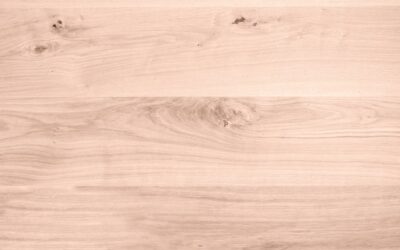
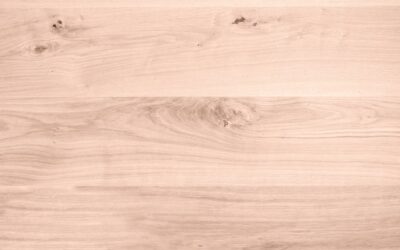
Natural white oak under a water-based finish stays pale and slightly cool, close to raw wood. An oil-based finish warms it to a honey tone that deepens over the years. Many homeowners choose this route because it shows the grain at its cleanest.
Nordic and Raw-Wood Looks
Light white oak stain colors in this family use a small amount of white pigment to cancel yellowing, so the floor looks like freshly sanded, unfinished wood. They suit minimalist and coastal spaces. Apply them carefully and wipe evenly, since thick white pigment can look chalky.
Natural and Light Neutral
A transparent natural stain adds a touch of depth without much color change. On white oak it brings out the grain slightly and gives a warm beige that blends with most cabinetry.
Soft Grays and Weathered Tones
Classic gray, silvered and driftwood-style white oak stains work especially well because the wood already has gray undertones. The result looks like aged barn wood rather than paint. Gray stains can turn green on some boards, so test them on several pieces.
Warm Mid-Browns
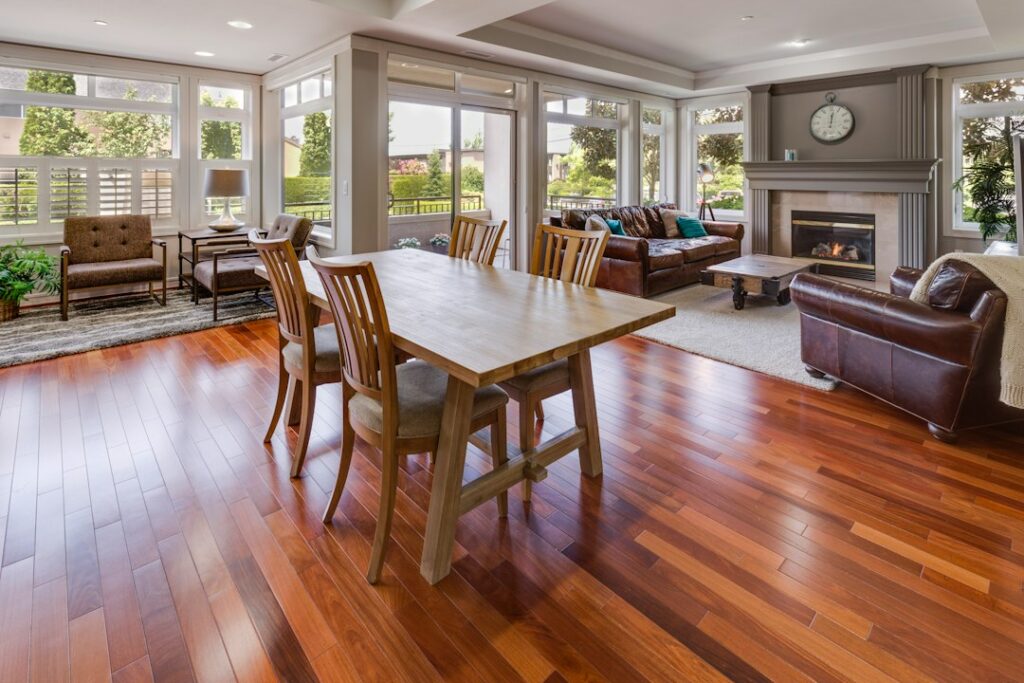
Mid-tone browns, such as golden and provincial-style shades, look richer on white oak than on red oak, where they tend to read orange. They hide everyday dust and pet hair well and work in traditional homes.
Medium Brown and Walnut-Style Tones
Walnut-like stains give white oak a balanced chocolate color with visible grain. They are among the most versatile choices for open floor plans and look good with both white and wood cabinets.
Dark Browns and Espresso
Dark stained white oak looks dramatic and elegant. Because the wood is dense, the color goes on evenly and does not blotch. The downside is that dust, scratches and footprints show readily. Expect more frequent cleaning in busy homes.
Ebony and Near-Black
The darkest stains create a striking contrast with white walls and trim. On white oak they keep a faint grain pattern rather than becoming solid black. They suit formal rooms and low-traffic spaces best.
White French Oak and Wide Plank Styles
Wide plank floors marketed as white French oak are usually European white oak, which tends to have more knots, color variation and character than North American boards. Stains read slightly warmer and more rustic on these planks. Many are sold prefinished with brushed surfaces and natural oil finishes in soft gray, smoky and natural tones. If you are matching stain to existing European oak, bring a sample board to the store rather than trusting photos.
How to Test White Oak Stain Colors
Never pick a stain from a brochure alone. A floor stain sample kit or a set of small cans is inexpensive compared with resanding a whole room. Follow these steps:
- Sand test areas with the same final grit you will use on the full floor, typically 100 or 120. Higher grits close the grain and make stains lighter.
- Water-pop if planned. Wiping the wood with water to raise the grain makes stains go on darker and more even. Test both popped and unpopped areas.
- Apply stains side by side in sections about 1 by 2 ft. Label each with tape.
- Wipe off excess after the time the label recommends. Wait for the stain to dry fully.
- Apply your chosen finish over part of each sample. Finish changes the look, especially oil-based products that add amber.
- View samples in daylight and at night under your actual light fixtures, and compare against cabinets, trim and furniture.
Testing in more than one room is smart if light conditions differ. A north-facing room may make gray stains look cold, while a sunny room warms everything.
Applying Stain on White Oak Floors
For a DIY refinish, rent a drum or orbital floor sander and an edger. Sand in progressive grits (often 36 or 40, then 60, then 100 or 120), vacuum thoroughly and tack the floor. Apply stain with a rag or applicator pad, working with the grain in manageable sections and wiping off excess before it dries. Let the stain cure according to the label, often 24 hours for oil-based products, before applying finish.
Most white oak wood stain products are oil-based, so treat them as chemicals. Ventilate the room well, wear gloves and eye protection and use a respirator with organic vapor cartridges if the label calls for it. Keep vapors away from pilot lights, furnaces and other ignition sources, and shut off gas appliances in enclosed spaces. Oily rags can spontaneously combust: lay them flat outdoors to dry or store them in a sealed metal container filled with water. Never mix stain products with other chemicals.
If the home was built before 1978 and old finishes are being sanded, check for lead in any painted trim nearby before you disturb it.
Troubleshooting Stain Results
- Too dark: Usually from water popping or heavy application. Sand back and test with a lighter shade or less dwell time.
- Green or yellow tint: Tannins reacting with water-based finish or gray stain. Choose a finish formulated to reduce ambering or a gray with warmer undertones.
- Uneven color: Leftover sanding marks or inconsistent sanding grit. Resand the area and blend.
- Stain not drying: Too much product was left on the surface or humidity is high. Wipe more thoroughly and improve ventilation.
- Visible picture framing at edges: The edger left a different scratch pattern. Hand-sand the perimeter to match the field.
Cost Ranges and When to Hire a Pro
Professional sanding, staining and finishing of white oak floors generally costs around $3 to $8 per sq ft, depending on condition, number of coats and region. Custom color mixing, water popping and specialty finishes add to the price. DIY material and rental costs typically run about $1 to $2 per sq ft.
A pro is a good investment for dark stains, which show every sanding flaw, for large open areas and for floors with significant damage. Experienced refinishers can also mix custom blends to match existing floors or cabinetry.
Picking the Right Shade for Your Home
Think about how the floor will live, not just how it looks in photos. Light naturals and soft grays hide dust and pet hair, while very dark stains show it. Mid-tone browns are the most forgiving overall. Consider undertones in cabinets, countertops and paint, and choose a stain that either complements or deliberately contrasts with them. Because the wood takes cool and neutral tones so well, white oak rewards restraint: subtle colors often look the most expensive.
Frequently Asked Questions
What are the most popular white oak stain colors right now?
Natural, raw-wood looks, soft grays and warm mid-browns lead current trends. Dark espresso and ebony remain popular for formal and contrasting designs.
Does stain look different on white oak than red oak?
Yes. White oak has cooler undertones and calmer grain, so stains look more neutral. Red oak adds pink and orange tones, especially in light and mid-brown shades.
Can you whitewash white oak floors?
Yes, but use thin, even coats and test first. Heavy white pigment can look chalky or gray. A light white-tinted stain often gives a cleaner result.
How long should stain dry before finishing?
Many oil-based stains need about 24 hours, though temperature and humidity change that. Follow the label and make sure the stain is fully dry before applying finish.
Will white oak floors change color over time?
Yes. Oil-based finishes amber with age, and sunlight lightens or warms the wood. Water-based finishes stay closer to the original color.
Prefer to explore on your own?
See how new flooring looks in your actual room in seconds — free, no signup.
Try the free Floor Studio →