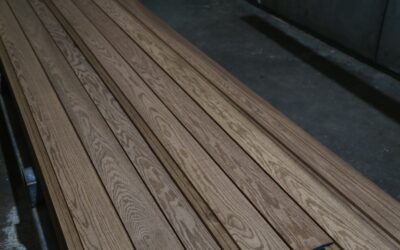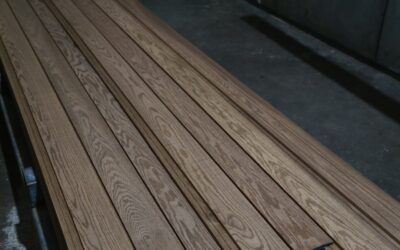
White oak vinyl flooring captures the clean, contemporary aesthetic of real white oak hardwood without the high cost and maintenance demands. White oak has been the most popular hardwood species in American homes for several years running, and flooring manufacturers have responded with vinyl plank products that replicate its look with remarkable accuracy. Whether you want the light, natural tones of unfinished white oak or the warm honey hues of a fumed finish, there is a vinyl option that delivers the style you want.
This guide covers the best white oak vinyl flooring options available in 2026, what to look for when shopping, how vinyl compares to the real thing, and how to use white oak vinyl effectively in your home.
Why White Oak Is So Popular
Before diving into vinyl options, it helps to understand why white oak has become the dominant hardwood choice. White oak features a tight, straight grain with subtle ray flecking that adds visual depth without being busy. Its neutral tones range from pale straw to warm amber, making it compatible with virtually any design style from Scandinavian minimalism to rustic farmhouse to mid-century modern.
Real white oak hardwood commands premium pricing ($6 to $12 per square foot for materials alone), requires professional installation, and needs ongoing maintenance including periodic refinishing. White oak vinyl flooring offers the visual appeal at a fraction of the cost and effort, which explains why it has become one of the best-selling vinyl flooring styles on the market.
What Makes White Oak Vinyl Look Realistic
Not all white oak vinyl planks are created equal. Here are the features that separate realistic-looking products from obvious imitations.
Registered Embossing
Registered embossing (also called EIR, or Embossed in Register) means the physical texture on the plank’s surface aligns precisely with the printed grain pattern below. When you run your hand across the plank, you feel grooves exactly where you see grain lines. This is the single most important feature for realism. Without registered embossing, the texture and visual pattern are mismatched, which is noticeable both visually and by touch.
Color Variation Between Planks
Real white oak floors have natural variation from plank to plank. Some boards are slightly lighter, others darker, and the grain pattern differs. The best white oak vinyl products replicate this with a large number of unique plank designs (20 or more distinct patterns) so that repeating patterns are not obvious when installed.
Matte and Low-Sheen Finishes
Real white oak floors are increasingly finished with matte or satin sheens. Vinyl planks with high-gloss finishes look artificial because they do not match the current trend in real hardwood finishes. Look for white oak vinyl with matte or low-luster surfaces for the most authentic appearance.
Micro-Beveled Edges
Subtle beveled edges between planks replicate the look of individually installed hardwood boards. The beveling creates shadows along each plank edge, which adds depth and definition. Flat-edge vinyl planks can look like a continuous sheet rather than individual boards.
Plank Width and Length
Wider and longer planks look more like premium hardwood installations. White oak vinyl in 7-inch to 9-inch widths and 48-inch to 72-inch lengths mimics the wide-plank hardwood trend that dominates high-end home design. Narrow 4-inch to 6-inch planks look more like strip flooring, which can appear dated.
Top Brands for White Oak Vinyl Flooring
These brands consistently produce the most realistic white oak vinyl plank products in 2026.
COREtec
COREtec is widely considered the gold standard in luxury vinyl plank. Their white oak options, particularly in the COREtec Plus Enhanced and COREtec Pro Plus lines, feature excellent registered embossing, realistic color variation, and wide plank formats. Pricing runs $4 to $7 per square foot, placing COREtec at the premium end of the LVP market.
Shaw Floorte
Shaw’s Floorte and Floorte Pro lines include numerous white oak colorways with strong visual quality. The Floorte Pro series uses a rigid SPC core and comes with a lifetime residential warranty. Shaw offers good mid-range pricing ($3 to $5 per square foot) and wide distribution through flooring retailers nationwide.
Mannington Adura
Mannington’s Adura Max collection includes several white oak styles with exceptional realism. The Adura Max planks are 6 inches wide and 48 inches long with WPC cores and pre-attached underlayment. Mannington is known for attention to visual detail, and their white oak options are among the most convincing on the market.
LifeProof
Home Depot’s exclusive LifeProof brand offers affordable white oak vinyl planks ($2.50 to $4 per square foot) with solid performance specifications. While not quite as realistic as premium brands, LifeProof’s white oak options provide excellent value for budget-conscious homeowners.
Karndean Designflooring
Karndean is a UK-based brand known for exceptionally realistic vinyl flooring. Their white oak products feature some of the best color matching and texture in the industry. Karndean products are sold through specialty flooring dealers and are priced at the premium level ($5 to $8 per square foot).
Popular White Oak Vinyl Styles
White oak vinyl comes in several style variations to match different design preferences.
Natural White Oak
The classic look: light straw-colored tones with visible grain and minimal processing. This style works beautifully in Scandinavian, coastal, and contemporary interiors. It makes rooms feel open, bright, and airy.
Fumed White Oak
Fumed (or smoked) white oak has warm brown tones created by an ammonia treatment process in real wood. Fumed white oak vinyl replicates these richer, deeper colors while maintaining the characteristic grain pattern. This style suits transitional, rustic, and traditional spaces.
Wire-Brushed White Oak
Wire-brushed textures add a subtle rustic quality by highlighting the grain pattern. In real wood, wire brushing removes soft wood fibers to create a textured surface. Vinyl versions replicate this with enhanced embossing that adds tactile depth. This style bridges contemporary and rustic design.
Whitewashed White Oak
Whitewashed styles apply a light wash of white or gray over the natural oak pattern, creating a coastal, beachy aesthetic. This look has been trending in vacation homes and coastal properties. White oak vinyl in whitewashed finishes brightens darker rooms and pairs well with blue, green, and neutral color palettes.
Cerused White Oak
Cerusing fills the wood grain with white or contrasting pigment, creating a high-contrast texture. Cerused white oak vinyl has a distinctive contemporary look that makes a strong design statement. It works best in modern and eclectic interiors.
White Oak Vinyl vs Real White Oak
How does white oak vinyl actually compare to the real thing? Here is an honest assessment.
Appearance
Premium white oak vinyl is remarkably close to real white oak in appearance. From standing height, even flooring professionals may struggle to tell the difference. Close inspection reveals the difference: vinyl lacks the depth and warmth of real wood grain, and the texture, while good, is not as varied as natural wood. That said, for most homeowners and guests, the visual quality of modern vinyl is more than sufficient.
Feel
Real white oak feels warm and organic underfoot. Vinyl feels slightly cooler and more uniform. WPC-core vinyl with attached underlayment comes closer to the warmth of real wood, but the surface feel of vinyl versus real wood remains the most noticeable difference in a direct comparison.
Durability
White oak vinyl wins on practical durability. It is waterproof, more scratch-resistant (with adequate wear layers), and does not need refinishing. Real white oak is harder (Janka rating 1,360) and resists dents better, but it is vulnerable to water damage, scratches, and requires periodic refinishing.
Cost
White oak vinyl costs $2 to $7 per square foot installed. Real white oak hardwood costs $8 to $15 per square foot installed. Over a typical 1,000-square-foot installation, vinyl saves $5,000 to $10,000 or more.
Resale Value
Real hardwood flooring still commands a higher resale premium than vinyl. Buyers in higher-end markets expect real wood and may discount a home with vinyl floors. In mid-range and entry-level homes, quality vinyl is widely accepted and does not negatively impact resale value.
Room Ideas for White Oak Vinyl
White oak vinyl’s neutral tones and waterproof properties make it suitable throughout the entire home.
Open-concept living and kitchen. White oak vinyl creates a seamless flow through open floor plans. The light tones make combined spaces feel larger and more connected.
Bathrooms. White oak vinyl brings warmth to bathrooms without the moisture concerns of real wood. It pairs beautifully with white subway tile, marble-look countertops, and brushed nickel hardware.
Bedrooms. The warm, inviting tones of white oak vinyl create a relaxing bedroom environment. It works with both light and dark bedding and furniture.
Basements. White oak vinyl’s waterproof properties and light color help brighten basement spaces while protecting against moisture from concrete subfloors.
Entryways. Durable and easy to clean, white oak vinyl handles the high traffic and dirt that entryways endure daily.
Pricing Overview
White oak vinyl flooring pricing varies by brand and quality tier.
Budget options (LifeProof, TrafficMaster): $1.50 to $3.00 per square foot
Mid-range options (Shaw Floorte, Mannington): $3.00 to $5.00 per square foot
Premium options (COREtec, Karndean): $5.00 to $8.00 per square foot
Professional installation: $1.50 to $3.00 per square foot additional
Most homeowners land in the mid-range category, where $3 to $5 per square foot delivers excellent realism and durability for residential use.
Installation Tips for the Best Results
To maximize the realistic appearance of your white oak vinyl flooring, follow these installation tips.
Mix planks from multiple boxes. Open three or four boxes and pull planks randomly during installation. This distributes color variation and prevents visual patterns from grouping together.
Stagger end joints. Maintain at least 6-inch offsets between end joints in adjacent rows. Avoid H-patterns (where joints align every other row), which look unnatural.
Run planks toward the main light source. Installing planks so they run toward the primary window or light source in a room minimizes the visibility of seams and creates a more natural appearance.
Use transition strips sparingly. Where possible, run the floor continuously between rooms for a seamless, high-end look that mimics how real hardwood is typically installed.
Final Thoughts
White oak vinyl flooring has reached a level of quality where it genuinely delivers the aesthetic appeal of the most popular hardwood species at a fraction of the cost. For homeowners who want the white oak look with waterproof protection, easy maintenance, and straightforward installation, vinyl plank is an excellent choice. Focus your budget on products with registered embossing, wide plank formats, and matte finishes for the most convincing results.
Prefer to explore on your own?
See how new flooring looks in your actual room in seconds — free, no signup.
Try the free Floor Studio →