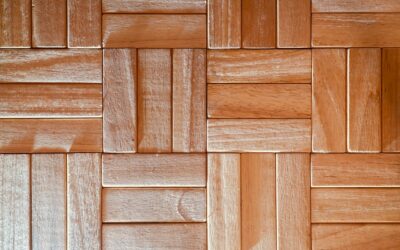
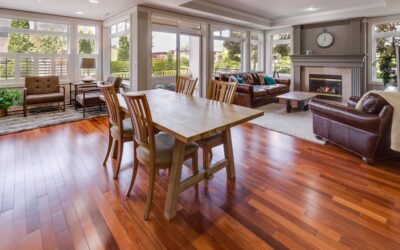
Oak is the most-imitated wood species in luxury vinyl plank because it sells. Roughly 60 percent of LVP product photos in major US retailers feature oak visuals, ranging from pale Scandinavian whitewash to deep rustic French oak with prominent grain and knots. Oak LVP gives you the visual warmth of real hardwood with full waterproofing, scratch resistance, and a price point that runs $2.49 to $5.99 per sq ft for residential-grade product. Done well, it fools nearly every guest who walks across it.
Why Oak Translates So Well to LVP
Oak’s grain pattern photographs cleanly. The pronounced cathedrals, ray flecks, and tight pore structure show up sharply in high-resolution print films, which is the technology that gives modern LVP its realistic appearance. Newer 4K embossed-in-register printing aligns the surface texture with the visual grain, so when you run your hand across the plank, the bumps follow the wood pattern rather than a generic stipple.
European white oak visuals dominate the premium tier. American red oak shows up more in mid-range product. Rustic French oak with long planks, heavy character, and wire-brushed texture sits at the top of the LVP price ladder. The visual differences are real, even if the underlying construction is similar across tiers.
Construction Basics
Most quality oak LVP uses an SPC (stone-plastic composite) core for rigidity, a printed decor film for the wood look, and a clear wear layer measured in mils. The wear layer is the most important spec for residential durability. A 12 mil layer survives moderate household traffic. A 20 mil layer handles pets, kids, and rolling office chairs. A 28 mil layer is rated for light commercial use.
- 6 mil wear layer: budget rentals only, 5 to 7 year lifespan
- 12 mil wear layer: standard residential, 10 to 15 years
- 20 mil wear layer: premium residential, 15 to 25 years
- 28 mil wear layer: light commercial, 20 to 30 years
Plank width and length also matter for the oak look. Authentic oak hardwood typically comes in 5 to 7 inch widths and 4 to 8 foot lengths. LVP with 7-inch by 60-inch planks looks dramatically more realistic than 4-inch by 36-inch budget product. The longer plank reduces the repeating pattern your eye picks up across a 20 foot room.
Top Brands Offering Quality Oak LVP
COREtec by Shaw set the original benchmark for waterproof rigid-core LVP and still leads in oak visual realism. Karndean Korlok offers stunning rustic French oak patterns with 20 to 30 mil wear layers. Mohawk’s RevWood Plus crosses the line between LVP and laminate, with strong oak visuals and a hybrid construction. NuCore from Floor and Decor provides good budget oak LVP at $2.49 to $3.49. Mannington Adura Max, Pergo Extreme, and Lifeproof from Home Depot round out the popular mid-tier options.
For the absolute top tier, Provenza, Arden Forest, and Engineered Floors’ Pentz lines deliver oak visuals close to indistinguishable from real European white oak from across the room. Pricing runs $5.99 to $8.99 per sq ft and supply often goes through specialty showrooms rather than big-box retailers.
Pros of Oak LVP Over Real Oak
Waterproofing is the headline. A SPC-core oak LVP can sit in standing water for 72 hours without damage. Real white oak warps within hours. For kitchens, bathrooms, basements, and homes with pets or kids, that resilience changes the maintenance equation entirely.
Cost is the second factor. Real white oak engineered hardwood runs $7 to $14 per sq ft installed. Quality oak LVP delivers 80 percent of the visual at 40 percent of the price. The labor is also faster, since click-lock LVP installs over most existing hard surfaces without nailing or gluing.
Cons to Consider Honestly
Resale value remains a real-estate-market question. Some buyers, especially in higher price brackets, still expect actual hardwood and discount homes with vinyl. In the $300,000 to $600,000 US median market, oak LVP is broadly accepted. Above $800,000, expectations shift back toward real wood. Talk to a local agent before committing on a flip.
The other con is feel. LVP is colder underfoot than wood, slightly louder under quick footfalls, and lacks the warm acoustic resonance that actual hardwood produces. Quality underlayment helps narrow the gap, but it does not eliminate it. Sit on a sample plank in your stocking feet for five minutes before deciding.
Installation Tips for Best Results
Acclimate boxes for 48 hours in the install room with the HVAC running at the homeowner’s normal temperature. Stack cartons flat, never on edge. Inspect the subfloor for flatness within 3/16 inch over 10 feet. Anything outside that tolerance shows up as plank deflection, joint stress, and eventual click-lock failure.
Stagger end joints by at least 8 inches between adjacent rows. Random patterns look better than the H-pattern that lazy installers produce. Mix planks from at least three cartons during install to randomize the visual repeats. Oak LVP typically has 8 to 16 unique plank faces in a SKU, and using them in sequence creates a noticeable pattern.
Maintenance Routine
Sweep or vacuum twice a week. Damp mop weekly with a pH-neutral vinyl floor cleaner. Avoid steam mops, oil soaps, and ammonia-based products, all of which damage the wear layer or leave a haze. Use felt pads on every furniture leg and entrance mats at every exterior door.
For deeper cleaning, products like Bona Pro Series Hard Surface Cleaner and Rejuvenate Luxury Vinyl Cleaner work well. Spot scratches can be touched up with a color-matched repair kit, available from most LVP manufacturers. Major damage requires plank replacement, which is straightforward on click-lock product if you saved 5 percent overage from the original install.
Final Buying Advice
Order full sample planks, not the postage-stamp swatches sent in the mail. Lay three or four planks in your room, look at them under different times of day, and check how the visual repeats read across a 5 by 5 foot area. Match wear layer to traffic, prefer 20 mil for any active household, and choose a brand with strong dealer support so warranty claims and replacement materials remain available years from now.
Prefer to explore on your own?
See how new flooring looks in your actual room in seconds — free, no signup.
Try the free Floor Studio →