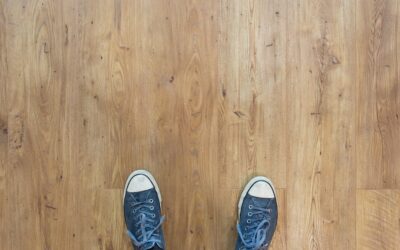
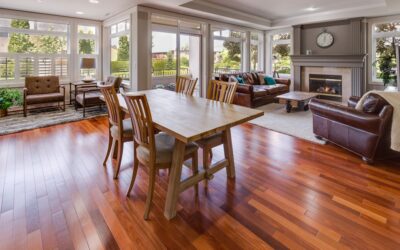
The golden oak that dominated 1990s kitchens is having a comeback, and this time it is waterproof. Honey oak LVP recreates that warm, amber-toned wood look in luxury vinyl plank form, giving you the cozy glow of traditional oak without the yellowing finish, the scratches, or the water damage that plagued the originals. If you love warm, inviting floors but want the durability of modern vinyl, this is the style that bridges the two. The trick is knowing which honey oak planks read as timeless and which read as dated, because the color sits close to a line that can go either way.
What Makes Honey Oak LVP Different
Honey oak is a warm, medium-gold wood tone, richer and more saturated than a neutral natural oak. Think of the color of clover honey held up to the light: amber with hints of caramel and a soft golden undertone. In LVP form, that color is printed onto a photographic film layer, then protected by a clear wear layer and built over a rigid or resilient core.
Compared with the honey oak of decades past, the modern LVP version fixes the two things people disliked. The old orange-yellow polyurethane sheen is gone, replaced by a low-sheen matte finish that keeps the warmth without the glare. And the flat, uniform grain has been swapped for realistic variation, knots, and mineral streaks printed at high resolution. You get the nostalgia without the dated shine.
The Color Question: Timeless or Dated?
Warm floors are back in style after a decade of gray dominance, but honey oak still needs the right context to look current. A few guidelines keep it fresh:
- Pair honey oak with white, cream, sage green, or warm greige walls. Avoid pairing it with the yellow-beige “builder tan” that defined the original 90s look.
- Match undertones. If your trim and cabinets are cool-white, a slightly muted honey plank works better than a highly saturated orange one.
- Break up the warmth with cooler accents, black hardware, a jute rug, or matte fixtures, so the room does not read as monochromatic amber.
Used deliberately, honey oak LVP feels warm and intentional. Used by accident, next to golden oak cabinets and brass everything, it can pull a room back twenty-five years. The plank is only half the design decision.
Honey Oak LVP Specs Worth Understanding
The visual is warm, but the performance lives in the numbers. The wear layer, measured in mils, tells you how the floor holds up:
- 6 to 8 mil: Light-duty spaces, guest rooms, and budget refreshes.
- 12 mil: The everyday standard for family homes with normal foot traffic.
- 20 to 22 mil: Heavy traffic, pets, and rental-grade abuse resistance.
Plank thickness generally runs 4 mm to 8 mm. A rigid SPC core in the 5 mm to 6 mm range gives you a waterproof, dimensionally stable floor that clicks together cleanly and hides small subfloor flaws. Many honey oak planks ship with an attached cork or foam pad, which softens the step and quiets the room, worth having if you are covering a basement slab or a hollow-sounding subfloor.
Cost of Honey Oak LVP
Pricing tracks the broader LVP market. Expect these ballpark figures:
- Budget: $1.89 to $2.49 per sq ft for thin planks with short warranties.
- Mid grade: $3 to $4.49 per sq ft for rigid core with a 12 to 20 mil wear layer.
- Premium: $5 to $6.50 per sq ft for thick SPC with deep embossing and 25-year-plus warranties.
Installation runs another $1.50 to $4 per sq ft with a pro, or close to nothing beyond tools if you tackle the click-lock system yourself. Order 8 to 10 percent extra for waste. A typical 250 sq ft room in mid-grade honey oak LVP, professionally installed, lands around $1,400 to $2,100.
Where Honey Oak LVP Works Best
Because the core is waterproof, honey oak LVP goes anywhere solid wood cannot. Kitchens benefit from the warmth without the risk of a dishwasher leak destroying the floor. Basements gain a cozy, finished feel that fights the cold, sterile concrete look. It shines in north-facing rooms that get little natural light, where the golden tone adds warmth a gray floor would never provide.
It also plays well in open-concept homes. Running one continuous honey oak floor from the living room through the kitchen and hallway makes a modest square footage feel larger and more cohesive. Just confirm the product is rated for your total run length; very large uninterrupted spans sometimes call for a transition strip or a glue-down install to manage thermal movement.
Installing Honey Oak LVP
Most honey oak planks use an angle-tap or drop-lock click system that floats over the subfloor. The process rewards patience more than skill:
- Acclimate the flooring in the room for 48 hours before you start.
- Vacuum and level the subfloor; fill any dip deeper than 3/16 inch over a 10-foot span.
- Snap a chalk line and dry-lay the first row to plan your cuts and avoid a sliver-width final row.
- Maintain a 1/4 inch expansion gap around the perimeter and every fixed object.
- Stagger end joints by at least 6 inches for both strength and a natural look.
A tapping block, a pull bar, and a sharp utility knife handle 90 percent of the cuts, since LVP scores and snaps without a saw. Budget a weekend for an average room and take your time on the first few rows, because everything after locks into their alignment.
Honey Oak LVP vs. Natural Oak and Laminate
Shoppers cross-shopping warm floors usually weigh honey oak against a more neutral natural oak and against wood-look laminate. Neutral natural oak is the safer, more universal pick that hides under any wall color, while honey oak makes a warmer, more distinctive statement that flatters cozy and traditional interiors. Neither is wrong; it comes down to whether you want the floor to recede or to add character.
Against laminate, honey oak LVP wins on water. A laminate plank in the same golden tone can look nearly identical and sometimes costs slightly less, but its fiberboard core swells permanently if water sits on a seam. In a kitchen or a home with pets, the waterproof vinyl core is worth the small premium. Laminate does feel a touch harder and more like real wood underfoot, so if moisture is truly a non-issue and you want maximum authenticity for the money, it remains a fair alternative.
Care and Long-Term Maintenance
Maintenance is refreshingly simple. Sweep or dry-mop regularly to keep grit from dulling the finish, and damp-mop with a pH-neutral floor cleaner when needed. Skip steam mops, wax, and oil soaps, which can cloud or damage the wear layer. Put felt pads under furniture legs and a mat at exterior doors to trap the abrasive dirt that does the most damage over time. Treated this way, a quality honey oak floor easily delivers 15 to 25 years of service.
For homeowners craving warmth in a market full of cold grays, honey oak LVP offers the best of both eras: the golden, welcoming glow of classic oak paired with the waterproof, low-maintenance toughness of modern vinyl. Choose a muted, well-embossed plank with a matte finish, style it with cooler accents, and match the wear layer to your traffic. Done right, it is a floor that feels like home the moment you walk in and holds up long after the trends move on.
Prefer to explore on your own?
See how new flooring looks in your actual room in seconds — free, no signup.
Try the free Floor Studio →