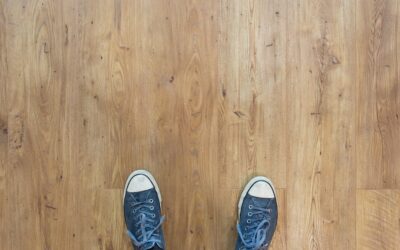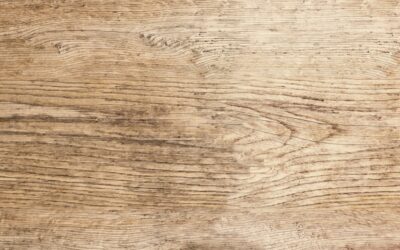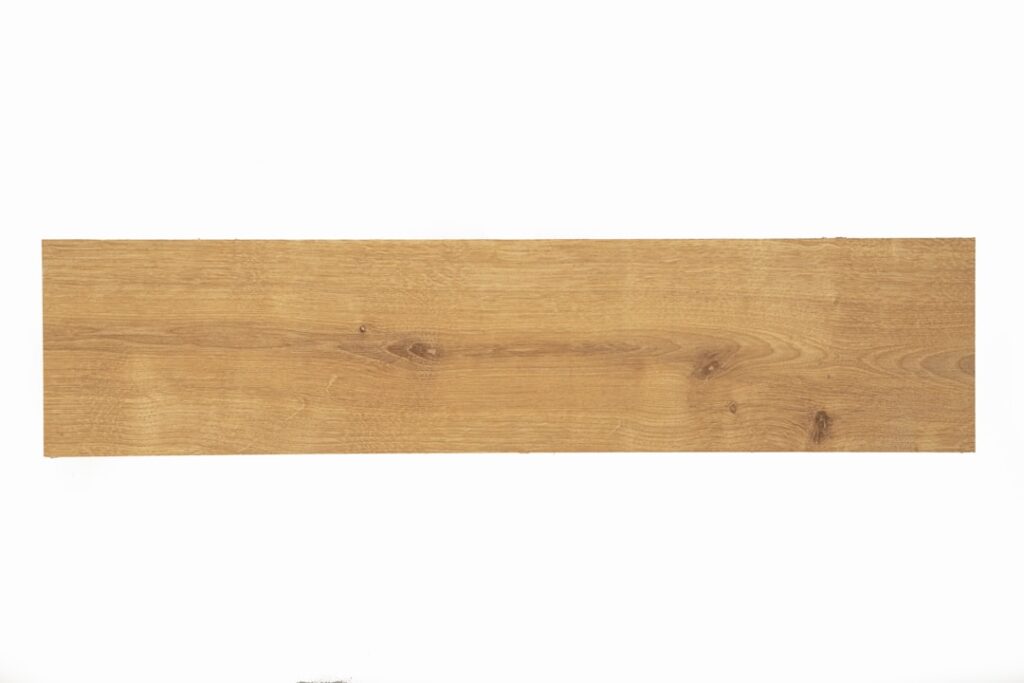
Warm golden-brown tones that make a room feel instantly cozy, at $1.50 to $4 per square foot, are exactly why honey oak laminate flooring keeps selling decade after decade. It captures the inviting glow of real honey-colored oak without the price or upkeep of hardwood, and modern printing has made it far more convincing than the shiny, obviously-fake laminates of the 1990s. If you want a warm, budget-friendly floor that hides dirt well and stands up to daily life, honey oak laminate deserves a spot on your shortlist.
What Is Honey Oak Laminate
Laminate flooring is a layered product: a fiberboard core, a high-resolution printed image layer, and a tough clear wear layer on top. Honey oak refers to the color and grain, a warm, golden-amber oak tone that sits between blond and medium brown. The printed layer reproduces oak’s characteristic grain, and better products emboss the surface so the texture aligns with the grain for a more realistic feel.
Because the look comes from a photograph rather than real wood, quality varies with the printing and texture. Premium honey oak laminate uses embossed-in-register texture and multiple unique plank images, while budget versions can look flatter and more repetitive. The core is usually high-density fiberboard, and better lines add water-resistant treatments.
Pros of Honey Oak Laminate
Value and warmth headline the list, but the practical benefits run deep:
- Affordable: Among the cheapest wood-look floors, typically $1.50 to $4 per sq ft for material.
- Warm, inviting color: The golden tone brightens rooms and pairs with many decor styles.
- Scratch resistant: A tough wear layer handles pets, kids, and furniture well.
- Hides dirt and wear: The medium golden tone and grain camouflage dust and minor scuffs better than dark or pale floors.
- Easy DIY installation: Click-lock planks float over most subfloors with no glue or nails.
- Low maintenance: Sweep and damp-mop; no refinishing, waxing, or oiling.
For a starter home, rental, or budget remodel that still needs to look warm and finished, honey oak laminate is hard to beat on cost-per-appearance.
Cons You Should Know
Laminate has real limits. It can’t be refinished; once the wear layer is worn or damaged, you replace the plank or the floor. Standard laminate is also vulnerable to water. Standing moisture can seep into the fiberboard core and cause swelling, so it’s not ideal for bathrooms or laundry rooms unless you choose a water-resistant line.
Style is another consideration. Honey oak leans traditional and can read as dated to some eyes chasing the current gray and greige trends, though warm tones have swung back into favor. Underfoot, laminate feels harder and sounds hollower than engineered wood unless you use a quality underlayment. And while it resists scratches, deep gouges expose the fiberboard and can’t be spot-repaired invisibly.
How Much Does It Cost
Honey oak laminate sits at the affordable end of flooring:
- Budget: $1.50 to $2.50 per sq ft. Thinner planks, basic AC3 wear rating.
- Mid-range: $2.50 to $3.50 per sq ft. Thicker planks, AC4 rating, better texture.
- Premium: $3.50 to $5 per sq ft. Water-resistant cores, AC5 rating, realistic EIR texture.
Professional installation adds $2 to $4 per square foot, though laminate’s click-lock system makes it one of the most DIY-friendly floors. Budget another $0.30 to $1 per square foot for underlayment if it isn’t pre-attached. A 300 sq ft room in mid-range honey oak, installed by a pro, typically runs $1,350 to $2,250 all in.
Choosing the Right Product
Not all honey oak laminate is equal, so shop the specs. The AC rating measures abrasion resistance: AC3 suits moderate residential traffic, AC4 handles busy households, and AC5 is built for the heaviest use. For a family with pets or kids, AC4 or higher is worth the small premium.
Prioritize embossed-in-register texture and a higher unique-plank count for realism, and choose a water-resistant core if you’re installing in a kitchen or near entries. Thicker planks, 10mm to 12mm, feel more solid and quiet underfoot than 7mm to 8mm budget boards. Pull several planks from different boxes and view them under your room’s actual lighting before committing to confirm the color and pattern read the way you want.
Styling Honey Oak Laminate
Warm floors need thoughtful pairing to feel current rather than dated. Honey oak plays beautifully with white and cream walls, which keep the space bright and let the floor’s warmth be the accent. It also complements sage green, navy, and warm neutrals, and pairs naturally with rustic, farmhouse, transitional, and mid-century styles.
Balance the golden tone with cooler or contrasting elements, like a gray or blue area rug, black hardware, or white trim, so the room feels intentional. Natural textures such as woven baskets, linen, and leather amplify the cozy, organic feel honey oak brings. Handled well, it reads as warm and welcoming rather than stuck in a past decade.
Is Honey Oak Laminate Right for You
Choose honey oak laminate when you want a warm, budget-friendly, low-maintenance floor that hides dirt and stands up to everyday life, especially in living rooms, bedrooms, and hallways of homes, rentals, and value-focused remodels. Its combination of affordability, DIY installation, and inviting color makes it a practical favorite.
Look elsewhere if you need a fully waterproof floor for a bathroom, want a surface you can refinish, or specifically prefer the current cool-toned gray aesthetic. For most homeowners chasing warmth and value, a mid-range honey oak laminate with good texture and an AC4 rating delivers a floor that looks great and holds up for a decade or more.
Installing Honey Oak Laminate Yourself
Laminate is genuinely DIY-friendly, and a confident homeowner can floor a 200-square-foot room in a weekend. Skipping prep steps, though, is what separates a floor that clicks quietly for years from one that peaks and gaps by spring. Work through it in order:
- Acclimate the planks. Leave the boxes flat in the room for 48 hours so the laminate reaches indoor temperature and humidity. Rushing this is the number-one cause of buckling.
- Prep the subfloor. Flatten to within 3/16 inch over 10 feet, sweep it spotless, and roll out underlayment if it isn’t pre-attached.
- Leave an expansion gap. Hold 1/4 to 3/8 inch of space at every wall and fixed object, using spacers. Laminate moves, and pinned floors have nowhere to go but up.
- Stagger the seams. Offset end joints at least 8 to 12 inches row to row, and pull planks from multiple boxes to blend the pattern.
Budget about $60 to $120 in tools if you’re starting from scratch: a tapping block, pull bar, spacers, and a laminate cutter or fine-tooth miter saw. A quality 3-in-1 underlayment at $0.40 to $0.70 per square foot cuts the hollow, clicky sound most people complain about and adds a light moisture barrier over concrete.
Honey Oak Laminate FAQ
A few questions come up again and again once homeowners start shopping, so here are the straight answers.
- How long does honey oak laminate last? A mid-range AC4 floor lasts 15 to 25 years in a home with normal traffic and dry conditions. Cheap AC3 in a busy hallway can show wear paths in 7 to 10.
- Can I put it in a kitchen? Yes, if you choose a water-resistant core and wipe spills promptly. Standing water at the dishwasher or sink is still the main failure point, so caulk those transitions.
- Does it fade in sunlight? Honey tones hold up better than dark stains, but strong south-facing sun can lighten any laminate over years. Sheer shades or a UV film on the glass slow it down.
- Is it good with dogs? The tough wear layer shrugs off claws better than real wood, though the smooth surface can be slippery for larger breeds. A few runner rugs solve it.
One last tip from the field: keep two or three leftover planks after the install. If a plank ever gets a deep gouge, you can pop the floor apart to the damaged board and swap it, but only if you have a match on hand. Dye lots drift, and a floor bought three years later rarely blends in.
Prefer to explore on your own?
See how new flooring looks in your actual room in seconds — free, no signup.
Try the free Floor Studio →