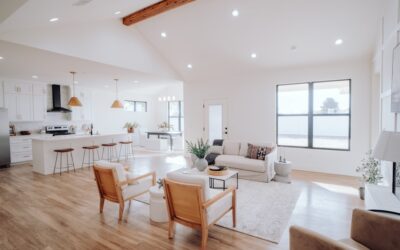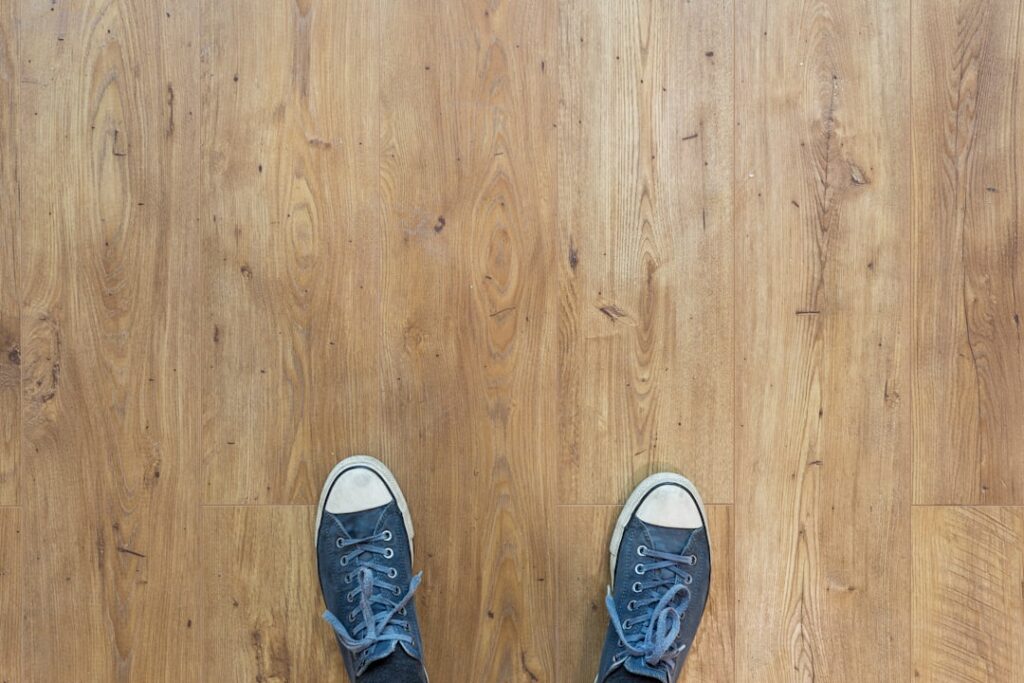
After a decade of cool gray floors dominating every showroom, warm tones are back, and few capture that warmth better than amber-toned oak. Amber oak flooring describes oak floors finished in rich honey-gold to warm amber hues, a color family that brings inviting, timeless warmth to a room. Whether achieved through natural oak’s own undertones, an amber stain, or a warming finish, the look pairs beautifully with both traditional and modern interiors. Here is how the color is created, how to style it, and what to weigh before you buy.
What “Amber Oak” Really Means
Amber oak refers to the color and tone of the floor rather than a separate species. The base is oak, usually red oak or white oak, finished to a warm golden-amber shade. That tone can come from a few sources: oak’s natural undertones combined with a clear or oil-based finish that ambers the wood, a stain specifically chosen to bring out honey-gold color, or factory finishing on prefinished and engineered products marketed under an amber name. Understanding this helps you shop, because the same look is available across solid, engineered, and even laminate or vinyl products.
How the Amber Color Is Achieved
There are several routes to that glowing honey-gold tone:
- Oil-based polyurethane: This finish naturally ambers oak over time, deepening the warm tones, which is why it is a classic choice for amber looks.
- Amber or honey stains: Applied to bare oak before sealing, these dial in the exact warmth you want.
- Natural white oak with warm finishes: White oak’s subtle undertones can be coaxed warm with the right topcoat.
- Prefinished amber products: Factory-finished planks engineered to deliver a consistent amber color out of the box.
If you want a precise shade, site-finishing with a test stain gives the most control; prefinished gives convenience and consistency.
Why Oak Is the Ideal Base
Oak is the most popular hardwood in American homes for good reasons that make it especially suited to amber tones. It has a prominent, attractive grain that warm finishes flatter, it takes stain evenly, and it is hard and durable enough for everyday family use. Red oak leans naturally warmer with pink-to-amber undertones, while white oak is slightly cooler and more neutral, giving you a flexible canvas. Both refinish well, so an amber oak floor can be recolored down the road if tastes change.
Styling With Amber Oak
The warm honey-gold palette is remarkably versatile. It works across design styles:
- With white or cream walls for a bright, classic, airy feel.
- Alongside warm metals like brass and bronze for a cohesive, inviting look.
- In transitional interiors that blend traditional warmth with modern simplicity.
- Against deep greens, navies, and earth tones for a rich, grounded contrast.
Amber tones also do practical work: mid-range warm colors hide dust, pet hair, and minor scratches better than very dark or very light floors, which means less visible day-to-day wear.
Choosing a Sheen and Finish
The finish sheen shapes how the amber color reads. Satin and matte sheens are the most popular today because they showcase the warm wood tone without the glare of gloss and hide fine surface scratches well. Higher-gloss finishes amplify the amber glow but reveal every scuff and footprint, so they demand more upkeep. For durability, a quality polyurethane protects against traffic, while hardwax oils give a softer, more natural matte look at the cost of more frequent maintenance. Match the finish to how much wear and cleaning the room will see.
Pros of Amber Oak Flooring
The strengths are easy to list. The warm, timeless color resists trends and supports resale appeal. Oak’s hardness and durability make it suitable for busy homes. The mid-tone warmth conceals everyday dust and wear. And because it is oak, the floor can be sanded and refinished multiple times over its life, letting you refresh or even recolor it later.
Cons and Considerations
A few honest caveats apply. Warm amber tones can read as dated to some eyes if styled in an old-fashioned way, though current design has firmly embraced them. The exact amber shade varies between brands and finishes, so always view samples in your own light before committing. Oil-based finishes continue to amber over time, which deepens the color further, something to factor in if you want a fixed shade. And as with any solid hardwood, humidity control matters to prevent gapping and cupping.
How to Buy It Right
To land the amber oak floor you want, order full-size samples and view them in morning and evening light, since warm tones shift noticeably with the light source. Decide between site-finished for custom color control and prefinished for consistency and convenience. Confirm whether you are buying solid or engineered oak based on your subfloor and humidity, and choose a sheen and finish suited to your traffic. Comparing the wear layer and warranty on engineered or prefinished products rounds out a smart purchase.
Caring for Amber Oak Floors
Keeping that warm glow looking its best comes down to a straightforward routine. Sweep or vacuum regularly to remove grit, which acts like sandpaper underfoot and dulls the finish over time. Clean with a product formulated for hardwood rather than water and harsh chemicals, and wring your mop nearly dry, since standing water is the enemy of any wood floor. Place felt pads under furniture legs, use rugs in high-traffic lanes, and keep pet nails trimmed. Because amber oak’s mid-tone color hides minor scuffs well, routine care is usually enough to keep it looking fresh, and when the finish eventually shows wear, oak’s refinishing ability lets you restore or even change the floor entirely.
Solid vs. Engineered Amber Oak
Like most oak floors, the amber look is available in both solid and engineered construction, and the right pick depends on your home. Solid oak offers the deepest refinishing potential, letting you sand and recolor it several times across decades, but it is more sensitive to humidity and is generally limited to on-grade and above-grade rooms. Engineered oak layers a real oak veneer over a stable plywood core, resisting seasonal movement better and opening up installation over a wider range of subfloors, including some below-grade spaces with proper moisture control. If you want maximum longevity and plan to refinish multiple times, solid is appealing; if stability and flexibility matter more, engineered amber oak is an excellent, lower-maintenance choice.
The Bottom Line
Amber oak flooring delivers warm, honey-gold tones on a durable, timeless oak base, achieved through natural ambering, amber stains, or warm finishes. It styles beautifully across traditional and modern rooms, hides everyday wear, and can be refinished for years to come. Choose your shade carefully with real samples, pick a satin or matte finish for low-glare durability, and manage humidity, and you will have a warm, inviting floor that stays in style long after cooler trends fade.
Prefer to explore on your own?
See how new flooring looks in your actual room in seconds — free, no signup.
Try the free Floor Studio →