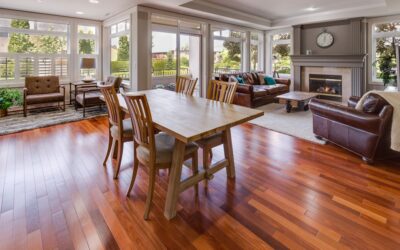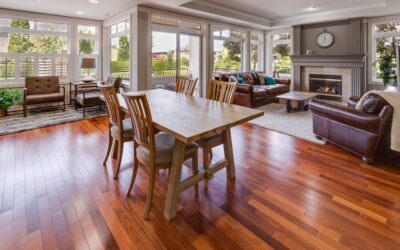
Honey oak flooring was the dominant trend in American homes from the late 1980s through the early 2000s. Builders installed it in millions of homes, pairing it with matching honey oak cabinets, trim, and stair railings. The result was warm, golden, and everywhere. Today, many homeowners are stuck with honey oak floors that feel outdated but are structurally sound, creating a dilemma: refinish, replace, or learn to love it?
This guide covers all your options for dealing with honey oak flooring, from complete modernization through refinishing to design strategies that make existing honey oak look intentional and stylish. The right approach depends on your budget, your tolerance for construction mess, and how long you plan to stay in the home.
What Is Honey Oak Flooring?
Honey oak refers to red oak or white oak hardwood flooring finished with a warm, golden-amber stain and a high-gloss polyurethane topcoat. The combination of the yellow-toned stain and shiny finish creates the distinctively warm, orangey look that defined an entire era of residential interior design.
The flooring itself is typically high-quality solid oak in 2-1/4 inch or 3-1/4 inch strip format, installed with nails over plywood subfloors. The wood is structurally excellent. Red oak (Janka 1290) and white oak (Janka 1360) are among the most durable and refinishable domestic hardwoods. The “problem” with honey oak is never the wood itself, but the dated color and finish.
This is actually good news. Unlike dated tile or carpet that has to be torn out, honey oak floors can be completely transformed through refinishing, and the underlying wood is often in excellent condition even after 20 to 30 years of use.
Should You Keep or Replace Honey Oak?
When to Keep and Refinish
Refinishing makes sense when the wood is structurally sound with no significant water damage or warping, when the boards are solid hardwood (not engineered or laminate), when you want to change the color but the floor layout and condition are fine, and when your budget does not stretch to full replacement. Refinishing typically costs $3.00 to $5.00 per square foot, while replacement with new hardwood runs $8.00 to $15.00 per square foot installed.
When to Replace
Replacement is the better option when floors have significant water damage, cupping, or buckling, when boards have been sanded too many times and the wear surface is thin, when you want a completely different plank width or format (such as wide planks), or when you are switching to a different material entirely like LVP or tile. If you are replacing, consider engineered wood flooring for its stability and wider plank options.
How to Modernize Honey Oak Through Refinishing
Refinishing is the most cost-effective way to completely transform honey oak flooring. The process involves sanding off the existing finish and stain down to bare wood, then applying a new stain and finish coat. Here are the most popular modern stain options:
Natural (No Stain, Matte Finish)
The most popular trend in 2026 is sanding honey oak back to its natural color and applying a matte or satin waterborne polyurethane with no added stain. This reveals the true color of the oak, which is much lighter and more neutral than the honey finish suggests. Natural white oak, in particular, has a beautiful pale, slightly warm tone that works perfectly with modern and Scandinavian design styles.
Red oak will retain a pinkish undertone even without stain, which may or may not appeal to you. If your floors are red oak and you want a completely neutral look, a light application of whitewash or a cool-toned waterborne finish can counteract the warmth.
Jacobean or Dark Walnut Stain
Going dark is the opposite approach but equally effective at eliminating the honey oak look. Jacobean and Dark Walnut are two of the most popular dark stain choices for oak, creating a rich, sophisticated appearance that pairs well with both traditional and contemporary interiors. Dark stains also hide the pink undertones of red oak more effectively than light finishes.
The downside of dark staining is that it shows dust, pet hair, and scratches more readily than lighter finishes. Maintenance is higher, and the room will feel smaller and darker, which is a consideration for spaces with limited natural light.
Medium Brown Stains
Middle-ground options like Provincial, Special Walnut, and Classic Gray provide a modern update without going extremely light or dark. These stains tone down the orange/yellow of honey oak while adding enough color to hide subfloor imperfections and grain inconsistencies. Special Walnut, in particular, has become extremely popular for its ability to create a warm but contemporary look.
Gray and Gray-Brown Stains
Gray-toned floors have been trendy for several years and show no signs of disappearing. Options like Classic Gray, Weathered Oak, and custom gray-brown blends can completely eliminate the warm tones of honey oak. Be aware that gray stains can look different on red oak versus white oak due to the underlying wood tones, so always test samples before committing.
White-Washed or Scandinavian Look
A white-wash technique using diluted white paint or specialized whitewash products lightens the wood dramatically while allowing grain to show through. This creates a coastal, Scandinavian, or modern farmhouse aesthetic. The technique requires skill to execute evenly, so professional application is recommended.
The Refinishing Process
DIY vs. Professional
While DIY refinishing is possible, the results rarely match professional work, especially when changing stain colors. Uneven sanding, lap marks in the stain, and improper finish application are common DIY mistakes that are difficult and expensive to fix. For a simple clear coat refresh, DIY is reasonable. For a complete color change, hire a professional.
What to Expect
Professional refinishing typically takes 3 to 5 days for a standard-sized room. Day one involves sanding (usually three passes with progressively finer grits). Days two and three cover staining and drying. Days four and five involve applying two to three coats of polyurethane with drying time between coats. The room will be unusable during the process and for 24 to 48 hours after the final coat.
Waterborne polyurethane is preferred over oil-based for modern refinishing. It dries faster, has lower odor, does not yellow over time (a key concern when trying to eliminate the honey tone), and provides excellent durability. The matte and satin sheen options available in waterborne finishes also align with current design preferences better than the high-gloss oil-based finishes that created the original honey oak look.
Cost of Refinishing
- Basic refinishing (sand and clear coat): $2.50 to $4.00 per square foot
- Stain and refinish: $3.50 to $5.50 per square foot
- Specialty techniques (whitewash, gray stain, reactive stain): $4.50 to $7.00 per square foot
- Board replacement for damaged sections: Additional $5.00 to $10.00 per square foot
Decorating With Existing Honey Oak
If refinishing or replacing is not in the cards right now, you can make honey oak floors look better through strategic decorating choices. The key principle is to avoid pairing honey oak with more honey oak. The “matchy-matchy” look of honey floors plus honey cabinets plus honey trim is what makes the style feel dated.
Wall Colors That Work
The best wall colors for honey oak floors either complement or contrast the warm tones. Cool-toned whites (like Benjamin Moore’s Simply White or Chantilly Lace) create clean contrast without clashing. Sage green and muted blue-greens work surprisingly well, picking up the green undertones sometimes present in oak. Warm grays with slight green or blue undertones bridge the gap between the warm floors and cooler furnishings.
Avoid yellow, gold, or orange walls, which amplify the honey tone and make the space feel overwhelmingly warm. Also avoid stark cool grays without any warmth, which can clash with the floors and create a jarring disconnect.
Furniture and Decor Strategies
Mix wood tones rather than trying to match the honey oak. A dark walnut dining table, white painted bookshelves, and natural linen upholstery create visual variety that prevents the honey oak from dominating. Black and white accents ground the space and add contrast. Large area rugs in neutral tones can cover significant floor area while adding texture and breaking up the expanse of golden wood.
Address the Trim and Cabinets First
Often, it is the honey oak trim and cabinets that make floors look dated, not the floors themselves. Painting oak trim and cabinets white or a contrasting color is significantly cheaper than refinishing floors and can dramatically change how the floor reads in the space. Many homeowners find that once the trim and cabinets are painted, the honey oak floors actually look warm and inviting rather than outdated.
Honey Oak Flooring: Is It Coming Back?
Design is cyclical, and there are signs that warm-toned wood floors are making a comeback after years of gray and cool-toned dominance. Interior designers are increasingly embracing warm, natural materials, and honey-toned woods fit this shift. However, the modern interpretation of honey oak uses matte or satin finishes rather than the high-gloss polyurethane of the 1990s, and the warm tones are balanced with cooler accents rather than matched throughout the space.
If your honey oak floors are in good condition, keeping them might actually be the fashionable choice within a few years. The floors themselves are beautiful wood. It was the styling around them, particularly the matching cabinets, trim, and high-gloss finish, that became dated.
Final Recommendations
Honey oak flooring is a design challenge, not a design disaster. The wood underneath the dated finish is valuable, durable, and versatile. Your best options depend on your situation:
- Best long-term investment: Professional refinishing with a modern stain and matte waterborne finish
- Best budget solution: Paint the surrounding trim and cabinets, add area rugs, and update wall colors
- Best for major renovations: Replace with wider plank engineered hardwood or LVP flooring if the floor condition warrants it
- Bold option: Embrace the honey tone, update the finish to matte, and pair with modern furnishings
Whatever you choose, do not rip out structurally sound hardwood floors just because the color feels outdated. Refinishing costs a fraction of replacement, creates less waste, and preserves a natural material that only improves with age. Honey oak floors have good bones. They just need a modern makeover.
Prefer to explore on your own?
See how new flooring looks in your actual room in seconds — free, no signup.
Try the free Floor Studio →