The color of your hardwood floors sets the foundation for your entire home’s design. It affects how large rooms feel, how much light they reflect, and whether your space reads as modern, traditional, rustic, or coastal. With dozens of wood species and hundreds of stain options available, choosing the right hardwood flooring color can feel paralyzing.
This guide covers every major color family, the best wood species for each look, current trends, and practical advice for choosing a color you will love for decades.
Natural vs. Stained Hardwood Floors
The first decision in choosing your hardwood flooring color is whether to go natural or stained.
Natural (Unstained) Hardwood
Natural hardwood floors are finished with a clear coat that shows the wood’s true color without any added pigment. The color comes entirely from the wood species itself. Natural floors have a warm, authentic look that changes subtly over time as the wood ages and the finish mellows.
Popular species for natural floors include white oak (light golden brown), red oak (pinkish tan), maple (creamy pale), hickory (varied blonde to brown), and walnut (rich chocolate brown). If you love a particular wood tone, going natural lets the species speak for itself.
Stained Hardwood
Staining allows you to change the color of any wood species to match your design vision. A light maple floor can be stained to look like dark walnut. A red oak floor can be stained gray to eliminate its pink undertones. Staining opens up virtually unlimited color possibilities.
The downside of staining is that it adds a step (and cost) to the finishing process, and the results depend heavily on the wood species. Some species accept stain evenly, while others can look blotchy without proper preparation. White oak is widely considered the best species for staining because its tight grain accepts color evenly and beautifully.
Light Hardwood Flooring Colors
Natural Blonde
Blonde hardwood floors create an airy, Scandinavian feel that makes rooms appear larger and brighter. This look is achieved with light species like white ash, maple, or birch finished with a water-based polyurethane that does not add amber tones. The result is a pale, clean floor that works beautifully in modern and minimalist spaces.
Natural White Oak
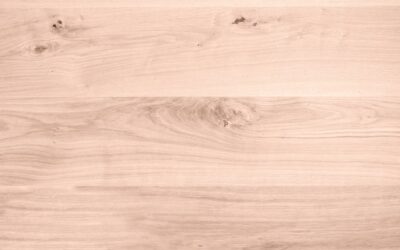
White oak with a clear finish is the most popular hardwood flooring choice in new construction and renovations alike. Its light golden-brown color with subtle gray undertones strikes a perfect balance between warm and neutral. It pairs well with virtually any wall color, furniture style, and design aesthetic.
Golden Oak
Golden oak stain on red or white oak produces a warm, honey-toned floor that was enormously popular in the 1990s and 2000s. While it has fallen out of fashion in favor of lighter and darker tones, golden oak remains a classic look that suits traditional and transitional homes.
Whitewashed
Whitewashed floors use a diluted white stain or white hardwax oil to create a pale, beachy look while still showing the wood grain underneath. This technique works best on oak species and produces a relaxed, coastal aesthetic. Whitewashed floors are high-maintenance and show dirt and scuffs more readily than other colors.
Medium Hardwood Flooring Colors
Provincial
Provincial is a medium brown stain that enhances the natural warmth of oak without dramatically changing its character. It deepens the grain pattern and adds richness while keeping the floor in the medium-brown color family. Provincial is a safe, timeless choice that works in almost any home.
Special Walnut
Special Walnut stain produces a warm, medium brown tone that is slightly darker than Provincial. It is one of the most versatile stain colors because it adds depth and character without being too dark or too light. On white oak, Special Walnut creates a beautiful, balanced look.
Classic Gray
Gray-toned hardwood floors have been trending for years, and Classic Gray stain delivers a sophisticated, cool-toned look that feels thoroughly modern. This stain works best on white oak, which has natural gray undertones that complement the stain. On red oak, gray stains can turn slightly purple, which most people find undesirable.
Weathered Oak
Weathered Oak stain creates a light-to-medium gray-brown tone that mimics the look of aged, sun-bleached driftwood. It is lighter than Classic Gray and has warmer undertones, making it an excellent choice for coastal and farmhouse-style homes.
Dark Hardwood Flooring Colors
Dark Walnut
Dark Walnut stain is one of the most popular dark stain choices. It creates a rich, deep brown that is dramatic without being black. On white oak, Dark Walnut produces a stunning floor with clearly visible grain patterns. It pairs beautifully with white walls, light furniture, and both modern and traditional interiors.
Jacobean
Jacobean is a deep, warm brown that is slightly darker than Dark Walnut with reddish-brown undertones. It creates a classic, formal look that has been popular in upscale homes for decades. Jacobean on white oak is a particularly elegant combination that suits traditional and transitional design styles.
Ebony
Ebony stain produces the darkest brown tone available in standard stains. It is not truly black but rather an extremely deep, cool-toned brown that can appear nearly black in low light. Ebony floors are dramatic and sophisticated but show every speck of dust, every pet hair, and every scratch. They require diligent maintenance to look their best.
True Black
True black floors use either multiple coats of Ebony stain, a dedicated black stain, or dye to achieve an opaque black look. This ultra-dramatic choice works in contemporary and high-fashion interiors but is the most demanding floor color in terms of maintenance and visibility of wear.
Choosing Colors by Wood Species
White Oak
White oak is the most versatile species for staining. Its tight, consistent grain accepts stain evenly and beautifully in any color from light gray to dark ebony. If you want complete control over your floor color, white oak is the best canvas. It is also the top choice for engineered wood flooring in pre-stained options.
Red Oak
Red oak has strong pink and salmon undertones that influence stain colors. Light and medium stains on red oak tend to look warm and slightly pink. Dark stains cover the pink undertones more effectively. Gray stains on red oak can appear purple, which is why most designers prefer white oak for gray floors.
Hickory
Hickory has dramatic natural color variation, ranging from creamy white sapwood to dark brown heartwood in the same plank. This variation creates a rustic, character-rich look that is beautiful with clear or light stain finishes. Dark stains on hickory can look uneven due to the extreme color variation in the raw wood.
Maple
Maple is a very tight-grained, dense wood that does not absorb stain well. It tends to look blotchy with medium and dark stains unless specially pre-treated with a wood conditioner. Maple is best used with its natural pale color or very light stains.
American Walnut
Walnut’s rich chocolate-brown natural color is so beautiful that staining is rarely necessary. Most walnut floors are finished with a clear coat that lets the natural color and grain shine. If you want a dark floor without the uncertainty of staining, walnut’s natural color is hard to beat.
Current Color Trends
Natural and Light Tones Are Dominant
The biggest trend in hardwood flooring colors right now is a move toward lighter, more natural tones. Natural white oak with a matte finish is the most specified floor in new construction and high-end renovations. The look is clean, bright, and timeless, and it makes spaces feel open and airy.
Gray Is Holding Steady
Gray hardwood floors remain popular, especially in modern and contemporary homes. However, the trend has shifted from stark, cool grays to warmer gray-brown blends that feel more natural and less trendy. Colors like Weathered Oak and greige-toned custom mixes are more popular than pure gray.
Ultra-Dark Is a Statement Choice
Very dark and black floors are still popular in high-fashion and designer homes, but they are no longer the mainstream default they were five years ago. Homeowners who choose dark floors do so as a deliberate design statement, fully aware of the maintenance commitment.
Warm Browns Are Making a Comeback
Medium warm browns like Provincial and Special Walnut are experiencing a resurgence as homeowners seek warm, inviting spaces. After years of cool grays and stark whites dominating design, warm wood tones feel fresh again.
How to Test Stain Colors
Never choose a stain color from a sample card alone. Stain looks completely different on different wood species, and even different boards of the same species can vary. Here is the right way to test:
Get sample boards. Purchase or request sample boards of your actual wood species. If possible, get boards from the same batch that will be used for your floor.
Test multiple stains. Apply at least three to five stain colors to your sample boards. Apply the stain according to the manufacturer’s directions, including the correct dwell time.
Apply your finish coat. Stain looks different under polyurethane or hardwax oil. Apply the same finish you plan to use on your floor to the stain samples.
View in your space. Bring the finished samples into the rooms where the floor will be installed. View them at different times of day under both natural and artificial light. A stain that looks perfect under showroom lighting may look completely different in your home.
Live with them for a few days. Set the samples on the floor and walk past them for several days before making a final decision. First impressions can be deceiving, and you want to be confident in a choice you will live with for years.
Practical Considerations for Color Choice
Maintenance and Visibility of Wear
Very light and very dark floors show the most dirt, dust, and wear. Light floors show dark dirt and stains. Dark floors show light dust, pet hair, and scratches. Medium tones in the brown family are the most forgiving for daily maintenance.
Room Size and Light
Light-colored floors make small rooms feel larger and brighten spaces with limited natural light. Dark floors can make small rooms feel cramped but create drama and sophistication in large, well-lit spaces.
Resale Value
If resale value is a consideration, neutral medium-brown tones and natural white oak have the broadest appeal. Very trendy colors like stark gray or jet black may appeal to a narrower buyer pool.
Frequently Asked Questions
What is the most popular hardwood floor color right now?
Natural white oak with a matte or satin clear finish is the most popular choice in new construction and renovations. For stained floors, medium browns like Special Walnut and gray-brown blends are top sellers.
Do hardwood floor colors change over time?
Yes. Most wood species darken with age and UV exposure. Cherry and walnut darken significantly in the first year. Oak darkens gradually over many years. Oil-based polyurethane also adds amber tones that deepen over time, while water-based polyurethane stays clearer.
Can I change my hardwood floor color without full sanding?
Going from a lighter color to a darker color is sometimes possible with a screen-and-recoat process, but the results are unpredictable. Going from dark to light always requires full sanding down to bare wood. For a reliable color change, plan on a full sand and refinish.
What hardwood floor color goes with gray walls?
Warm-toned floors in natural oak, Provincial, or Special Walnut create a beautiful contrast with gray walls. Cool gray floors with gray walls can look flat and monotonous unless you vary the tones significantly.
Final Thoughts
The best hardwood flooring color is one that makes you happy every day, works with your lifestyle, and complements your home’s design. Trends come and go, but a well-chosen floor color feels timeless because it reflects your personal style rather than a passing fashion.
Take the time to test stain samples on your actual wood, view them in your home’s lighting, and consider how different colors will show wear over time. The effort you put into choosing the right color will pay off for the entire life of your hardwood floors.
Prefer to explore on your own?
See how new flooring looks in your actual room in seconds — free, no signup.
Try the free Floor Studio →