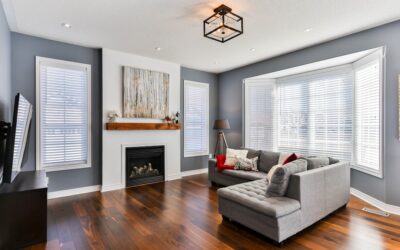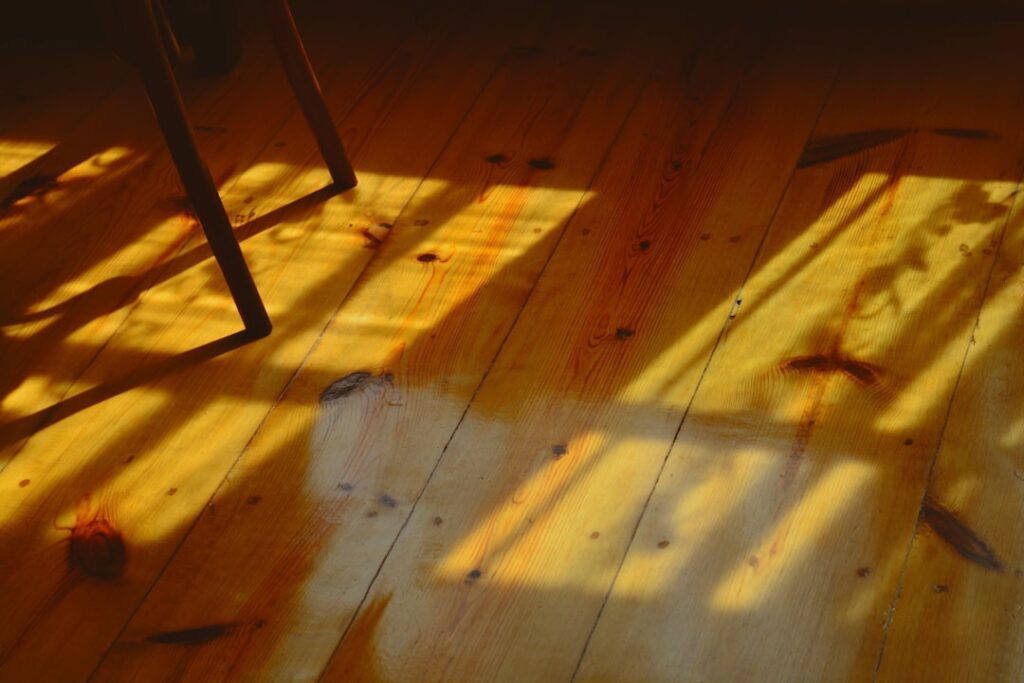
The hardwood floor of 2026 looks almost nothing like the hardwood your parents installed in 1995. Gone are the 2-1/4 inch glossy red oak strips with a yellow-orange tint. Modern hardwood floors are defined by wide planks, low-sheen finishes, muted color tones, and increasingly engineered constructions that perform across varied climates and over radiant heat. After installing and refinishing hardwood floors for 23 years, I have watched the aesthetic shift dramatically — and most of the changes are functional improvements as much as style trends. Here is the practical guide to choosing, installing, and maintaining a modern hardwood floor that will look current for decades.
Plank Width and Length
The single biggest visual difference between dated and modern hardwood is plank width. Traditional strip flooring runs 2-1/4 to 3-1/4 inches wide. The current style standard sits at:
- Wide plank: 6 to 8 inches wide
- Extra wide plank: 9 to 12 inches wide
- Plank length: random lengths from 18 to 84 inches, with averages around 48 inches
Wider boards make any room feel larger and show off the natural grain of the wood. The catch is movement — solid wood over 5 inches wide tends to cup and gap with humidity swings, which is why most wide-plank installs today are engineered hardwood rather than solid.
Wood Species That Define the Modern Look
Color palette and species selection have evolved away from the red oak and Brazilian cherry of past decades. Current preferences:
- White oak — the dominant modern choice, takes any stain, paints up clean, warm but never orange
- European oak — slightly softer grain, more cathedrals and character marks
- Hickory — strong grain contrast, good for rustic-modern crossover designs
- Walnut — premium choice, rich brown tones, naturally darker without staining
- Maple — clean grain, accepts modern gray and pale stains beautifully
Avoid traditional red oak for new installs unless matching existing flooring. Its pink-orange undertone fights every modern wall color from Benjamin Moore Classic Gray to Sherwin-Williams Alabaster.
Finishes That Look Current
High-gloss polyurethane defined hardwood for 40 years. Modern hardwood floors use:
- Matte finishes (5 to 15 percent sheen) — current standard, hides scratches and footprints
- Satin finishes (25 to 35 percent sheen) — slightly more durable, transitional look
- Hardwax oils like Rubio Monocoat or WOCA — penetrate the wood for a natural feel
- UV-cured aluminum oxide on engineered planks — durable factory finish, low sheen
For site-finished floors, water-based polyurethanes like Bona Traffic HD give a clean matte appearance, dry in 2 to 3 hours per coat, and contain less than 250 g/L VOCs. Oil-based finishes amber over time and look dated within 5 to 8 years.
Engineered vs Solid for Modern Builds
Engineered hardwood — a real wood veneer over a plywood or HDF core — has overtaken solid for new construction, and for good reasons:
- Stable across humidity and temperature swings
- Works directly over concrete slabs without a plywood subfloor
- Compatible with radiant heating systems
- Pre-finished options install faster and cleaner
- Available in wider planks without cupping concerns
Quality matters with engineered. Look for a wear layer of 3 mm or thicker — these can be refinished one to three times. Cheap 1 mm wear layers must be replaced rather than refinished when scratches accumulate.
Color Trends That Are Lasting
Three color directions dominate modern hardwood selections today:
- Pale natural — white oak with a clear or whitewashed finish for that Scandinavian aesthetic
- Warm mid-tone — caramel and honey stains on white oak, transitional and timeless
- Deep brown — espresso and dark walnut tones for contemporary contrast with white walls
Gray hardwoods peaked in 2019 and have been declining since. Stained-gray floors photograph well but read cold and dated within a few years. Skip them for new installs unless your overall design is intentionally Scandinavian-cool.
Installation Methods
Modern hardwood floors get installed three ways depending on subfloor and product type:
- Nail-down — for solid hardwood or engineered over plywood subfloor
- Glue-down — for engineered over concrete or radiant heat
- Floating (click-lock) — for engineered planks with integrated locking edges
Glue-down installations using polyurethane adhesives like Bostik Best or Sika MultiBond produce the most stable, quietest floor over concrete. Allow 14 to 30 days for the moisture content in new construction concrete to drop below 75 percent relative humidity before installation. Skipping this acclimation step is the leading cause of cupped wood floors in finished basements.
Care and Maintenance Differences
Matte finishes on modern hardwood require different care than the old high-gloss approach. Daily care:
- Use only manufacturer-approved cleaners — Bona Hardwood Floor Cleaner or Rubio Soap for oiled finishes
- Never use steam mops on hardwood — heat and moisture break down finishes and warp planks
- Skip Murphy Oil Soap on any modern polyurethane — it leaves a film that builds up over time
- Add felt pads to every furniture leg, replace them annually
- Place walk-off mats at every exterior door to stop grit before it hits the floor
Hardwax oil finishes get an annual maintenance coat in high-traffic zones. This 15-minute process restores the look and keeps the wood protected for another 12 to 24 months without sanding.
Investment and Return
Material costs in 2026 dollars:
- Engineered white oak, prefinished, 7-inch wide: $5.50 to $9 per sq ft
- Solid white oak, unfinished, 5-inch wide: $4.50 to $7 per sq ft
- Engineered European oak, prefinished, 9-inch wide: $9 to $14 per sq ft
- Premium walnut or specialty species: $11 to $18 per sq ft
Installation adds $3.50 to $7 per sq ft. Total project cost for a 1,000 sq ft house with modern hardwood floors runs $9,000 to $18,000 installed, and the floor typically returns 70 to 80 percent of cost at resale while making the home sell faster than carpet or laminate alternatives.
Prefer to explore on your own?
See how new flooring looks in your actual room in seconds — free, no signup.
Try the free Floor Studio →