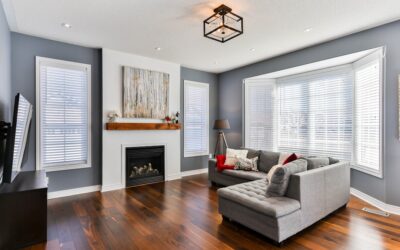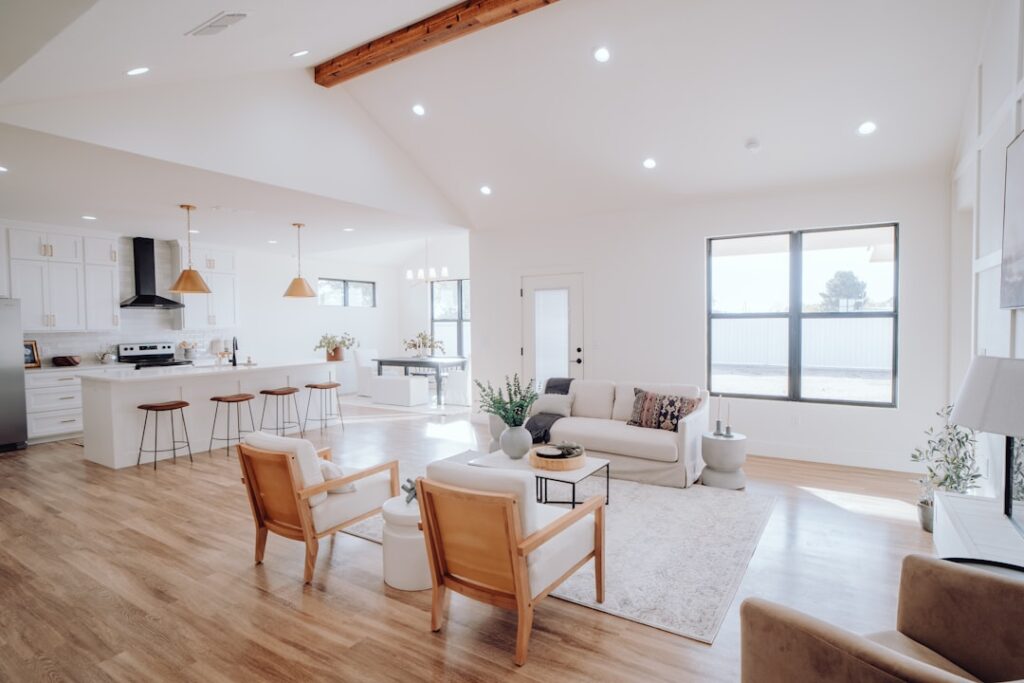
Nothing warms up a room quite like real wood underfoot. Choosing the right wood floor covering shapes how a space looks, feels, and holds its value for the next two or three decades. Yet the category has grown far beyond old-fashioned oak planks, and the choices, from solid hardwood to engineered boards to convincing wood-look alternatives, can leave homeowners second-guessing. After walking countless clients through this decision, I’ll lay out the options, prices, and trade-offs so you can buy smart the first time.
- What Counts as a Wood Floor Covering
- Solid Hardwood
- Engineered Hardwood
- Laminate and Wood-Look Alternatives
- Comparing Your Options by Room
- Finishes and Wood Species That Last
- What a Wood Floor Covering Costs Installed
- Installation and Acclimation Tips
- Caring for Your Floor Long Term
- Underlayment, Padding, and Subfloor Prep
- Plank Width, Length, and Visual Impact
- The Bottom Line
What Counts as a Wood Floor Covering
Broadly, the term covers any finished flooring surface that presents a wood appearance, whether it is milled from a solid log or engineered from layers. Some products are 100 percent timber, while others use a thin wood veneer or a printed image bonded to a stable core. Understanding which category you are buying matters, because construction determines durability, moisture tolerance, and how many times the floor can be refinished.
Solid Hardwood
Solid planks are milled from a single piece of wood, typically 3/4 inch thick and 2 1/4 to 5 inches wide. Oak, maple, hickory, and walnut are the workhorses, prized for their grain and hardness. A solid floor can be sanded and refinished six to ten times over its life, which is why 80-year-old oak floors still look stunning after a fresh sanding. Expect to pay $6 to $14 per square foot for material, plus $3 to $8 for professional installation.
Its one weakness is moisture. Solid wood expands and contracts with humidity, so it is a poor match for basements, bathrooms, and slab-on-grade homes in humid regions. Nail it down over a wood subfloor, keep indoor humidity between 35 and 55 percent, and it will reward you for generations.
Engineered Hardwood
Engineered boards solve the moisture problem with a smart design: a real hardwood wear layer, usually 2 to 6 millimeters thick, bonded over a cross-laminated plywood or HDF core. Those crossed layers resist swelling, so engineered flooring can go over concrete slabs, in finished basements, and with radiant heat. Material runs $4 to $10 per square foot, and many products click together for floating installation, which trims labor costs.
The trade-off is refinishing. A board with a 2-millimeter veneer can be sanded once, maybe twice, while a 6-millimeter version handles three or four passes. If you want the look of real wood in a below-grade space, engineered is usually the smarter buy.
Laminate and Wood-Look Alternatives
When budget rules, laminate delivers a convincing wood look for $1 to $3 per square foot. A high-resolution photographic layer sits under a tough melamine wear surface rated by an AC scale from AC1 to AC5, with AC3 or higher suited to busy homes. Laminate resists scratches and fading better than real wood, though it cannot be refinished and can swell if water sits in the seams.
Luxury vinyl plank, often labeled wood-look, is fully waterproof and popular in kitchens and mudrooms. It lacks the authentic feel and resale cachet of timber, but for high-traffic, spill-prone rooms it is hard to beat.
Comparing Your Options by Room
Match the product to the space rather than forcing one floor everywhere. Here is a quick field guide I use with homeowners:
- Living rooms and bedrooms: Solid or engineered hardwood shines here, where moisture is low and warmth matters.
- Basements and slab floors: Engineered hardwood or waterproof vinyl plank, never solid wood.
- Kitchens: Engineered wood with a durable finish, or wood-look vinyl for maximum spill protection.
- Rentals and playrooms: AC4-rated laminate for scratch resistance on a tight budget.
- Bathrooms: Skip real wood entirely; choose waterproof wood-look vinyl or tile.
Finishes and Wood Species That Last
Hardness drives how well a floor shrugs off dents and pet claws. On the Janka scale, red oak measures around 1,290, hickory reaches roughly 1,820, and soft American walnut sits near 1,010. Busy households with dogs lean toward oak or hickory. Finish matters just as much: factory-applied aluminum oxide urethane, common on prefinished boards, resists wear far longer than a jobsite-applied polyurethane, though the latter creates a seamless, custom look. Wire-brushed and hand-scraped textures hide scratches better than a smooth high-gloss surface, which shows every scuff.
What a Wood Floor Covering Costs Installed
Budgeting is easier when you price the whole job, not just the boards. Here is a realistic all-in range per square foot, installed:
- Laminate: $3 to $7
- Engineered hardwood: $7 to $18
- Solid hardwood: $9 to $22
For a 300-square-foot living room, that puts solid oak in the $2,700 to $6,600 range installed. Add-ons such as removing old flooring ($1 to $2 per square foot), leveling a subfloor, or installing new baseboard and transition strips can nudge the total higher, so gather line-item quotes before signing.
Installation and Acclimation Tips
Even the best product fails with a rushed install. Let wood acclimate in the room for three to seven days so its moisture content matches the home, typically 6 to 9 percent. Confirm the subfloor is flat within 3/16 inch over 10 feet, because dips cause hollow spots and squeaks. Leave a 1/2 inch expansion gap at every wall, hidden later by baseboard, so the floor can move with the seasons. Nail-down installs suit solid wood over plywood, glue-down works on slabs, and floating click systems are the DIY-friendly choice for engineered and laminate.
Caring for Your Floor Long Term
A wood floor covering rewards light, consistent care. Sweep or dust-mop weekly, wipe spills immediately, and clean with a barely damp mop using a pH-neutral hardwood cleaner rather than vinegar or steam, both of which can dull or warp the finish. Place felt pads under furniture legs, use walk-off mats at exterior doors, and keep pet nails trimmed. Refinish solid or thick engineered floors when the finish wears through rather than replacing them, since a recoat every 7 to 10 years keeps the wood protected for a lifetime.
Underlayment, Padding, and Subfloor Prep
What sits beneath the boards affects sound, comfort, and longevity as much as the wood itself. Floating engineered and laminate floors need a foam or cork underlayment, roughly 2 to 3 millimeters thick, to cushion the floor and quiet footsteps; over concrete, add a 6-mil polyethylene vapor barrier to block ground moisture. Nail-down solid wood typically gets a layer of 15-pound felt or rosin paper over the plywood to reduce squeaks. Skimping here is a false economy, because a floor installed over a dusty, uneven, or damp subfloor telegraphs every flaw and can void the manufacturer warranty.
Plank Width, Length, and Visual Impact
Board dimensions change a room’s whole feel, so choose with the space in mind. Narrow strips, 2 1/4 to 3 inches wide, read traditional and make small rooms feel busier but tidy. Wide planks, 5 to 8 inches, have surged in popularity for their clean, modern, open look and show off dramatic grain, though they cost more and can cup slightly in humid conditions. Longer boards, 48 inches and up, create fewer end joints and a more seamless floor. Mixing widths in a single run, common in rustic and European-style installs, adds character when done deliberately rather than by accident.
The Bottom Line
The right wood floor covering balances your room’s moisture level, your budget, and how long you plan to stay. Solid hardwood offers unmatched longevity and refinishing potential, engineered wood brings real timber to basements and slabs, and laminate or wood-look vinyl deliver the look for less in tough conditions. Nail the acclimation, the subfloor prep, and the routine cleaning, and whichever option you pick will look sharp for decades.
Prefer to explore on your own?
See how new flooring looks in your actual room in seconds — free, no signup.
Try the free Floor Studio →