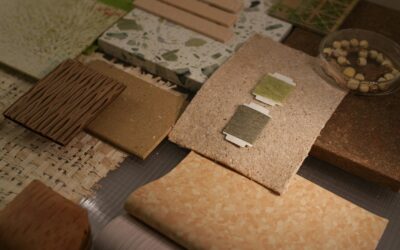
The term solid floor means different things depending on whether you ask a hardwood retailer, a concrete contractor, or a tile installer. In residential construction it most often refers to solid hardwood (one piece of lumber top to bottom), but it also covers slab-on-grade concrete, natural stone, and poured terrazzo. What unites these materials is that they are single-material systems, not layered composites, and they tend to outlast the structure around them when installed correctly.
This guide covers the four main solid floor categories, realistic pricing in 2026, where each works, and the costly mistakes that shorten lifespans from generations to decades.
What Qualifies as a Solid Floor
Engineered hardwood, laminate, and luxury vinyl are all layered products designed to improve stability and cost. A true solid floor is a single homogeneous material from surface to subfloor interface. The four main residential categories:
- Solid hardwood (3/4-inch tongue-and-groove, typically nailed or stapled)
- Natural stone tile (marble, granite, limestone, slate, travertine)
- Poured concrete with integral color or stain finishes
- Traditional cement or epoxy terrazzo
Each category rewards upfront investment with 50+ year service life when properly installed and maintained.
Solid Hardwood
Still the gold standard for warmth, resale value, and historic character. Solid hardwood ranges from 2 1/4-inch oak strip ($4 to $7 per square foot) to 6-inch rift-and-quartered white oak ($12 to $22 per square foot). Installation labor adds $3.50 to $7 per square foot.
Best Applications
- Above-grade bedrooms, living rooms, dining rooms, hallways
- Homes built pre-1990 with proper crawl space ventilation
- Dry climates with stable indoor humidity between 35 and 55 percent
Avoid In
- Basements and any slab-on-grade construction
- Full bathrooms (acceptable only in powder rooms with rigorous spill control)
- Kitchens with under-slab radiant heat
Refinish solid hardwood every 10 to 25 years depending on traffic. A 3/4-inch solid plank can be sanded 4 to 7 times over its life, easily pushing service life past 100 years in well-kept homes.
Natural Stone Tile
Marble, granite, limestone, slate, and travertine are quarried, sawn into tiles, and polished or honed to a chosen finish. Material costs range $3 to $40 per square foot depending on species and grade. Installed costs typically $18 to $55 per square foot.
Stone Selection Basics
- Granite: Hardest, most stain-resistant. Works everywhere including exteriors.
- Marble: Softer, acid-sensitive. Best in powder rooms, master bathrooms, formal entries.
- Slate: Textured, slip-resistant. Ideal for mudrooms, kitchens, and outdoor transitions.
- Limestone: Warm tones, moderate hardness. Needs sealing every 18 months.
- Travertine: Porous with natural holes that are filled or left unfilled. Best in drier climates.
Every natural stone requires a penetrating sealer at install and re-sealing every 12 to 36 months. Neglect this step and stains become permanent within a year.
Concrete Floors
Polished or stained concrete moved from industrial lofts into mainstream residential design around 2010. Material is essentially free if the slab already exists. Finishing costs run $4 to $12 per square foot for basic staining and sealing, and $8 to $20 per square foot for polished concrete with diamond grinding.
The look works in modern and industrial interiors. Drawbacks include cold surface temperature, hardness underfoot (tough on legs and dropped dishes), and the fact that every existing crack becomes a visible design feature.
Thermal mass matters too. A concrete floor holds temperature extremes longer than wood or tile. This helps with radiant floor heating but hurts in uninsulated basements without climate control.
Terrazzo
Poured terrazzo is aggregate (marble, glass, shell) suspended in a cement or epoxy binder, then ground flat after cure. Modern epoxy terrazzo offers virtually unlimited color options and a seamless monolithic surface. Installed costs run $30 to $90 per square foot, with 75+ year service life common in institutional buildings.
Residential terrazzo is a premium choice best suited to new construction or major renovations where the subfloor can be engineered for the material’s weight (roughly 14 to 18 pounds per square foot).
Cost Comparison at a Glance
- Solid hardwood: $7.50 to $29 per square foot installed
- Polished concrete: $4 to $20 per square foot finished
- Natural stone tile: $18 to $55 per square foot installed
- Poured terrazzo: $30 to $90 per square foot installed
Longer service life offsets the higher initial cost. A $25 per square foot floor that lasts 75 years costs $0.33 per year. A $5 per square foot laminate that lasts 15 years costs $0.33 per year. Identical lifecycle cost, very different resale impact.
Pros and Cons of Solid Flooring
Advantages
- Longest service life in residential flooring
- Refinishable or re-polishable, renewing the surface without replacement
- Adds documented resale value
- Authentic material with no photographic prints or wear layers
- Stable under radiant heat when installed with vapor barriers
Disadvantages
- Higher installed cost than any composite alternative
- Harder underfoot, especially stone and concrete
- Requires meticulous subfloor preparation
- Natural materials require periodic sealing or refinishing
- Weight can exceed structural limits in older homes
Installation Considerations
Solid floors punish rushed subfloor prep. Wood subfloors must be flat within 3/16 inch over 10 feet for hardwood, and concrete subfloors need moisture testing (relative humidity below 75 percent for wood, below 85 percent for most stone adhesives).
Check the joist capacity before installing heavy stone or terrazzo. A 1 1/4-inch travertine floor adds roughly 18 pounds per square foot. Older homes with 2×8 joists at 16-inch centers may require sistering or a professional engineer’s sign-off.
Maintenance and Long-Term Care
Solid floors reward consistent low-effort maintenance. Sweep or vacuum twice a week. Damp mop monthly with a pH-neutral cleaner formulated for your specific material. Avoid steam mops on hardwood and natural stone; moisture forces seams apart or strips sealers.
Reseal stone every 12 to 36 months. Refinish hardwood every 10 to 25 years. Polish concrete every 7 to 12 years. These cycles seem far apart, but scheduling them in advance keeps a solid floor looking new across decades. Pair your choice with thoughtful whole-home flooring planning so that transitions between rooms feel intentional rather than pieced together.
Prefer to explore on your own?
See how new flooring looks in your actual room in seconds — free, no signup.
Try the free Floor Studio →