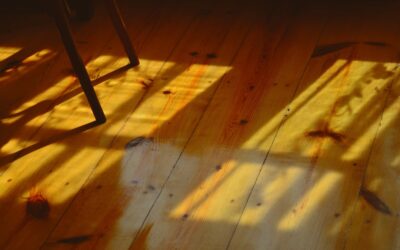
Hardwood floor refinishing in Buffalo, NY is one of the best home investments in Western New York, largely because so many local homes still sit on gorgeous old-growth oak and maple laid a century ago. Buffalo’s classic Elmwood Village foursquares, North Buffalo bungalows, and Allentown Victorians often hide beautiful hardwood under decades of carpet and grime. Refinishing brings that wood back to life for a fraction of replacement cost. This guide covers local pricing, timing around the region’s climate, and how to hire the right crew.
- Why Buffalo Homes Are Refinishing Gold
- What Refinishing Costs in Western New York
- The Refinishing Process Step by Step
- Timing Around Buffalo’s Climate
- How to Hire a Buffalo Refinishing Pro
- Refinish vs. Replace: Making the Call
- Protecting Your Newly Refinished Floor
- Oil-Based vs. Water-Based Finish
- Living Through the Project
- The Bottom Line
Why Buffalo Homes Are Refinishing Gold
Homes built in Buffalo before the 1940s frequently feature dense, tight-grained old-growth red and white oak, sometimes with decorative borders and inlays you simply cannot buy today. That original wood is often 3/4-inch solid material with plenty of thickness left for sanding. Many owners pull up wall-to-wall carpet installed in the 1970s and discover hardwood that only needs refinishing, not replacing. Because the wood is already there and structurally sound, refinishing delivers enormous value versus tearing it out.
What Refinishing Costs in Western New York
Buffalo pricing tends to run a bit below coastal metros. Realistic 2026 ranges for the area:
- Standard sand-and-refinish: $3 to $5 per square foot.
- Refinishing with significant repairs or board replacement: $5 to $8 per square foot.
- Adding stain color versus clear coat only: often $0.50 to $1 more per square foot.
- Dustless sanding systems: a small premium, well worth it for occupied homes.
For a typical 800-square-foot main floor, expect roughly $2,400 to $4,500 for a standard refinish, against $8,000 or more to replace the same area with new hardwood. That gap is why refinishing wins for most Buffalo homeowners.
The Refinishing Process Step by Step
Knowing the sequence helps you understand what you are paying for:
- Prep and repair — the crew removes shoe molding, sets protruding nails, and replaces any badly damaged boards.
- Coarse sanding — a drum or belt sander strips the old finish and gray, weathered layer down to raw wood.
- Fine sanding and edging — progressively finer grits and an edger reach corners and along walls.
- Stain (optional) — color is applied and allowed to dry fully.
- Finish coats — typically two or three coats of polyurethane, oil-based or water-based, with drying between each.
A whole-floor job usually takes three to five days, longer if you choose oil-based poly, which smells stronger and cures more slowly.
Timing Around Buffalo’s Climate
Western New York’s lake-effect winters and humid summers affect refinishing. Water-based finishes cure faster and are the safer bet in cold months when you cannot open windows, while oil-based finishes need more ventilation and warmer temperatures. Many local pros prefer late spring and fall, when you can air out the house without fighting extreme heat or snow. If you refinish in winter, insist on a water-based finish and confirm the crew can control indoor temperature and dust during the cure.
How to Hire a Buffalo Refinishing Pro
The finish quality depends entirely on the crew’s skill with a sander. Vet local contractors carefully:
- Ask how many times this floor can still be refinished; a good pro checks remaining board thickness first.
- Confirm they use a dust-containment or dustless system, essential in an occupied home.
- Get a written quote specifying grit sequence, number of finish coats, and finish type.
- Ask to see recent local jobs, ideally in similar-age Buffalo homes.
- Verify New York State licensing status and general liability insurance.
- Compare oil-based versus water-based recommendations and their cure and odor trade-offs.
Refinish vs. Replace: Making the Call
Refinishing makes sense whenever the existing wood is solid and has enough thickness left, typically if it has been sanded fewer than three or four times over its life. Signs you can refinish rather than replace include surface scratches, dullness, minor water stains, and worn finish, all of which sand away. Replace only when boards are cupped beyond flattening, rotted, or sanded so thin the tongue-and-groove is exposed. Most Buffalo homeowners with original hardwood fall firmly in the refinish camp.
Protecting Your Newly Refinished Floor
Once the work is done, protect the investment. Wait the full recommended cure time before replacing furniture, often 24 to 48 hours for foot traffic and up to two weeks for area rugs with oil-based finishes. Use felt pads under furniture legs, keep grit off the floor with entry mats against Buffalo’s road salt and slush, and maintain indoor humidity between roughly 35 and 55 percent year-round to limit seasonal gapping. A quick recoat every several years can extend the life of the finish for decades.
Oil-Based vs. Water-Based Finish
One of the biggest choices you will make is the finish type, and it affects color, cure time, and how the floor lives in a Buffalo home. Oil-based polyurethane is the traditional choice: it ambers over time, giving oak that warm, classic glow many owners of older homes want, and it is durable and forgiving to apply. The downsides are a strong odor, slow cure, and the yellowing that keeps whites and grays from staying true.
Water-based polyurethane dries clear and stays clear, so it preserves lighter, cooler tones and the natural color of white oak. It cures faster, often allowing foot traffic sooner, and off-gasses far less, a real advantage in a Buffalo winter when you cannot throw the windows open. It typically costs a bit more and shows application flaws more readily, so it rewards a skilled crew. For a winter refinish or a modern light look, water-based is usually the better call; for a warm, traditional amber tone and a lower material cost, oil-based still has its place.
Living Through the Project
Refinishing is disruptive, so plan for it. The rooms being worked on are off-limits during sanding and while the finish cures, and you will need to clear all furniture beforehand. Even with a dustless system, expect some fine dust to settle, so cover or remove nearby belongings and seal off adjacent rooms. Many Buffalo homeowners schedule the work when they can stay elsewhere for a few days, or they refinish one section at a time to keep part of the house livable. Ask your contractor for a realistic timeline including cure time before you plan to walk on the floors or move furniture back, rushing that step can dent or mar a finish that has not fully hardened.
The Bottom Line
Hardwood floor refinishing in Buffalo, NY unlocks the beautiful old-growth wood hiding in the region’s historic homes at roughly half the cost of replacement. Budget $3 to $5 per square foot for a standard job, time the work for mild seasons or choose a water-based finish in winter, and hire a crew that uses dust containment and checks board thickness first. Done right, refinishing gives you original character wood that will serve your home for another generation.
Prefer to explore on your own?
See how new flooring looks in your actual room in seconds — free, no signup.
Try the free Floor Studio →