The biggest mistake homeowners make when buying hardwood flooring Rochester NY stores stock is ignoring how the region’s climate behaves through the seasons. Rochester sees cold, snowy winters with dry indoor heating and humid summers, a swing that makes wood expand and contract more than it does in milder regions. Choose the right species, finish, and installation approach for these conditions and you get a hardwood floor that stays beautiful for decades; ignore them and you risk gapping, cupping, and squeaks. This guide covers the smart choices, fair pricing, and how to vet local pros.
- Why Climate Matters for Hardwood Here
- Solid vs. Engineered Hardwood
- Best Wood Species for the Region
- Finishes That Hold Up to Winter
- Typical Price Ranges
- How to Vet a Store and Installer
- Caring for Hardwood Through the Seasons
- Refinishing vs. Replacing
- Prefinished vs. Site-Finished in Detail
- Protecting Hardwood From Winter Damage
- The Bottom Line
Why Climate Matters for Hardwood Here
Wood is hygroscopic, meaning it absorbs and releases moisture with the surrounding air. In Rochester, indoor humidity can drop sharply in winter when furnaces run, causing boards to shrink and gaps to appear. In humid summers, boards take on moisture and expand. These cycles are normal, but extreme swings cause problems. The key is managing indoor humidity and choosing materials and installation methods that tolerate the movement. This is why acclimation and humidity control are not optional in this climate.
Solid vs. Engineered Hardwood
The first decision is the type of hardwood, and climate tips the scales toward engineered in many Rochester homes.
Solid Hardwood
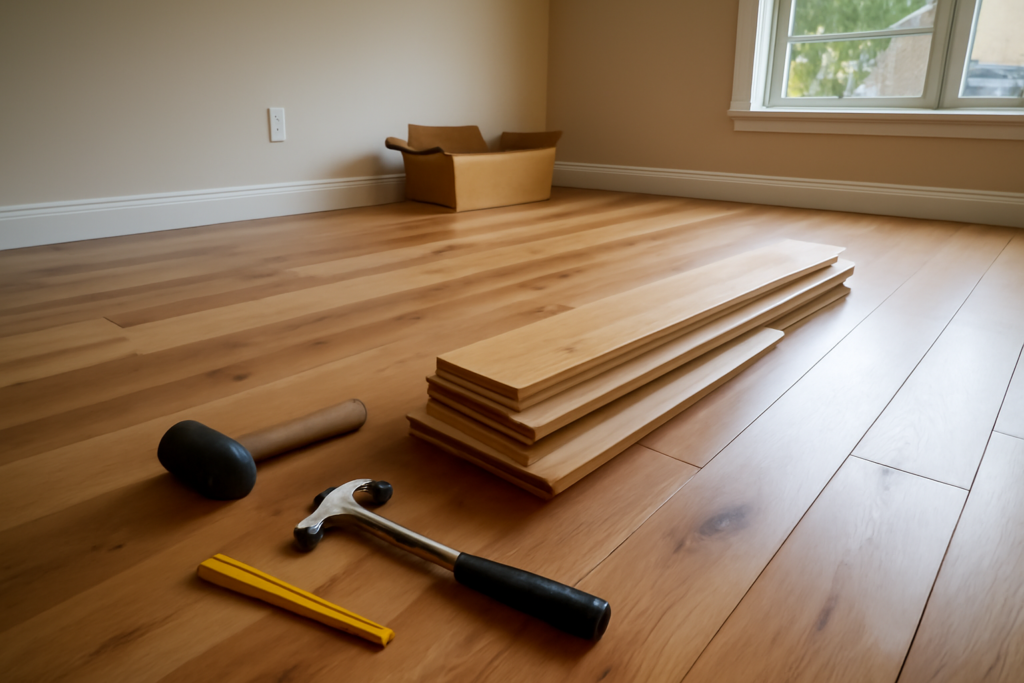
Solid wood is a single piece of timber, prized for its longevity and the ability to be refinished many times. It looks and feels authentic and can last generations. The trade-off is that it moves more with humidity swings, so it demands careful acclimation, proper nailing, and indoor humidity control. It is best installed above grade over a wood subfloor.
Engineered Hardwood
Engineered wood has a real hardwood veneer over a stable plywood core, which makes it far more dimensionally stable across humidity changes. For Rochester’s swings, and especially for basements or rooms over concrete, engineered hardwood is often the more reliable choice. Better engineered products can still be refinished once or twice, depending on veneer thickness.
Best Wood Species for the Region
Some species handle seasonal movement and traffic better than others. Strong choices include:
- Red and white oak: Hard, widely available, stable, and the regional classic. Takes stain beautifully and hides wear well.
- Hickory: Very hard and tough, excellent for high-traffic homes and active families.
- Maple: Hard and clean-grained, though it can show humidity movement, so humidity control matters.
- Ash: A durable, attractive alternative with good stability.
Harder species resist the dents and scratches that come with boots, snow, and grit tracked in during winter, which is a real consideration in a snowy climate.
Finishes That Hold Up to Winter
Finish protects the wood from moisture, grit, and salt tracked in on boots. Site-finished floors are sanded and coated after installation, giving a seamless surface and the ability to match any color. Prefinished floors arrive coated from the factory with tough, durable finishes and install faster with less dust. Either works well; what matters is choosing a durable topcoat rated for traffic, since winter grit and ice-melt are abrasive. Place quality mats at every entry and clean salt promptly to protect any finish.
Typical Price Ranges
Costs vary by species, grade, and installer, but these general US market ranges help you judge a quote. Combining material and installation:
- Engineered hardwood: about $6 to $15 per square foot installed.
- Solid hardwood (common species like oak): about $8 to $18 per square foot installed.
- Premium or exotic species: higher, often $15 to $25-plus per square foot installed.
- Refinishing existing hardwood: roughly $3 to $5 per square foot, often cheaper than replacement.
Use these as a benchmark. If you already have old hardwood under carpet, refinishing can deliver a like-new floor for far less than buying new.
How to Vet a Store and Installer
Installation quality determines whether a hardwood floor survives Rochester’s seasons. Vet local pros carefully:
- Licensing and insurance: Confirm both before any work begins.
- Climate knowledge: A good installer insists on acclimating wood in your home and discusses indoor humidity and the right expansion gaps.
- References: Ask to see completed local jobs and read recent reviews.
- Itemized quotes: Look for separate lines for material, labor, prep, removal, and finishing.
- Warranty clarity: Understand both the product warranty and the installation guarantee.
Be wary of any installer who wants to skip acclimation or rush the schedule. In this climate, those shortcuts are the leading cause of gapping and cupping later.
Caring for Hardwood Through the Seasons
A little seasonal care protects your investment. Run a humidifier in winter to keep indoor humidity in the range the manufacturer recommends, typically around 35 to 55 percent, which limits shrinkage and gapping. Use entry mats, remove shoes, and wipe up snowmelt and salt quickly, since salt and water are hard on finishes. Sweep or vacuum grit regularly and clean with a product made for hardwood, never a wet mop. Add felt pads under furniture, and refinish when the topcoat wears rather than letting damage reach the wood.
Refinishing vs. Replacing
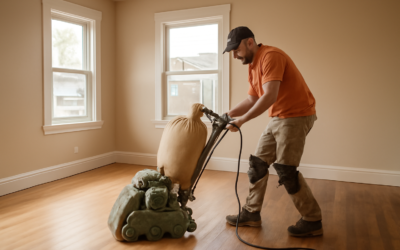
Many Rochester homes, especially older ones, have original hardwood hiding under carpet. Before buying new, check what you already have, because refinishing existing wood is often dramatically cheaper than replacement. Sanding and recoating runs roughly $3 to $5 per square foot and can make a tired floor look brand new, and it can usually be done several times over a solid floor’s life. Replace rather than refinish only when boards are badly damaged, water-stained through, or sanded too thin. For many homeowners, refinishing delivers the beauty of hardwood at a fraction of the cost of a new floor.
Prefinished vs. Site-Finished in Detail
The finishing choice deserves a closer look in a cold climate. Prefinished boards arrive with a tough, factory-applied finish and install quickly with minimal dust, letting you use the room almost immediately, a real benefit during a long winter when opening windows to vent fumes is unappealing. Site-finished floors are sanded and coated in place, producing a seamless surface and allowing any custom color, but they take longer and create more dust. Both can be excellent; weigh the speed and low-dust convenience of prefinished against the seamless look and color flexibility of site-finished.
Protecting Hardwood From Winter Damage
Rochester winters are hard on floors, so a few defenses go a long way. Place durable mats at every entry to catch snow, slush, and the salt and sand tracked in on boots, the biggest threat to a finish. Keep a boot tray near doors and encourage removing shoes. Wipe up meltwater promptly, since standing water and salt residue dull and etch finishes over time. Run a humidifier through the dry heating months to hold indoor humidity in the recommended range, which prevents the shrinkage and gapping that cold, dry indoor air causes. These simple habits keep a hardwood floor looking new year after year.
The Bottom Line
Buying hardwood flooring in Rochester comes down to respecting the climate. Engineered hardwood offers extra stability for humidity swings and below-grade rooms, while solid oak and hickory deliver classic durability above grade with proper humidity control. Check whether refinishing existing wood is an option, choose a hard species, a tough finish, and an installer who acclimates the wood and manages expansion. Maintain indoor humidity through winter and protect against salt and grit, and your hardwood floor will stay beautiful through Rochester’s seasons for decades.
Prefer to explore on your own?
See how new flooring looks in your actual room in seconds — free, no signup.
Try the free Floor Studio →