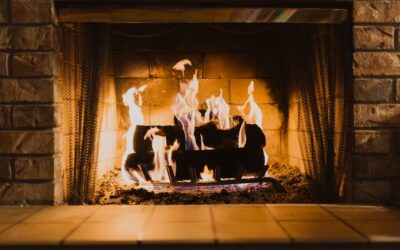
An open masonry fireplace can send more heat up the chimney than it puts into the room. Many traditional fireplaces run at 10 to 20 percent efficiency, and on a cold night they can even pull warm air out of the house. A high efficiency fireplace insert fixes that by placing a sealed firebox inside the existing opening, connected to a properly sized liner, so most of the heat stays indoors.
The quick answer: gas inserts are the easiest to live with and can reach 70 to 85 percent efficiency, pellet inserts deliver steady, thermostat-controlled heat at roughly 70 to 85 percent, and modern certified wood inserts reach roughly 65 to 80 percent while burning the cheapest fuel if you have access to firewood. The right pick depends on your fuel cost, how much you want to tend the fire, and whether you have a gas line or power near the hearth.
- How a High Efficiency Fireplace Insert Works
- Reading Efficiency Ratings
- Wood vs Gas vs Pellet at a Glance
- Heat Output and Sizing
- Running Costs Compared
- Installation: Liners, Clearances and Certified Installers
- Fire and Carbon Monoxide Safety
- Which Insert Should You Choose?
- When to Call a Licensed Professional
- Frequently Asked Questions
All three types need a professional install with a liner matched to the unit, and every home with one needs working carbon monoxide alarms. Comparing them comes down to ratings, heat output, operating costs and the trade-offs that matter in daily use.
How a High Efficiency Fireplace Insert Works
An insert is a closed steel or cast-iron firebox that slides into the masonry opening. A surround panel covers the gap around the face. A liner, usually stainless steel, runs from the insert’s flue collar up through the old chimney, so exhaust exits through a correctly sized passage instead of the oversized masonry flue.
Efficiency gains come from three things. First, the sealed door controls combustion air, so the fire burns hotter and cleaner. Second, a blower or convection channel moves heated air out into the room rather than letting it soak into masonry. Third, the liner improves draft and reduces the amount of warm room air lost up the chimney. Most inserts also have firebrick or ceramic panels that hold and radiate heat.
Reading Efficiency Ratings
Comparing inserts gets confusing because each fuel uses different measurements:
- Wood and pellet inserts sold in the US must meet federal particulate emission limits. Labels and listings often show an efficiency number based on the higher heating value (HHV) of the fuel, along with grams of smoke per hour. Look for an EPA certified fireplace insert label; current certified units emit far less smoke than older models.
- Gas inserts may list steady-state efficiency, a seasonal rating similar to AFUE used for furnaces, or a fireplace efficiency rating. Seasonal or annualized numbers are more realistic than steady-state ones.
- BTU ratings describe heat input or output. Output is what reaches your room; input is fuel burned. A 40,000 BTU input gas insert at 75 percent efficiency delivers roughly 30,000 BTU of usable heat.
When comparing units, match the same type of number. An HHV efficiency of 75 percent for a wood insert and a steady-state 85 percent for a gas insert are not measured the same way.
Wood vs Gas vs Pellet at a Glance
| Insert type | Typical efficiency | Best fit |
|---|---|---|
| Wood | About 65 to 80 percent | Cheap or free firewood, power-outage heat, real flame lovers |
| Gas (direct vent) | About 70 to 85 percent | Push-button convenience, existing gas service, low upkeep |
| Pellet | About 70 to 85 percent | Steady thermostat heat, bagged fuel, willing to clean weekly |
High efficiency wood burning fireplace insert
A high efficiency wood burning fireplace insert uses either a catalytic combustor or secondary-burn tubes to reburn smoke gases. Catalytic models hold a long, low burn and often reach the higher end of the efficiency range, but the catalyst needs periodic replacement. Non-catalytic models are simpler and tolerate imperfect firewood better. Either type needs dry, seasoned wood under about 20 percent moisture to hit its rated performance. Wood inserts work without electricity (except optional blowers), which matters in areas with winter outages.
High efficiency gas fireplace insert
A high efficiency gas fireplace insert is usually direct vent: it draws outside air for combustion through one liner and exhausts through another, so it does not use room air. Many have modulating valves that turn the flame down as the room warms, which raises seasonal efficiency. You get thermostat or remote control and almost no cleaning. The trade-off is a gas line, permit and inspection, and less of the crackle of real wood.
Pellet inserts
Pellet inserts feed compressed wood pellets from a hopper into a burn pot with an auger, controlled by a thermostat. Heat is even and long-lasting, often a day or more per hopper load. They need electricity to run the auger and fans, so a power outage stops them unless you add a battery backup. Weekly ash cleaning and regular venting maintenance are part of ownership.
Heat Output and Sizing
Bigger is not better. An oversized insert will be run low and smoky (wood), cycle constantly (pellet), or overheat the room (gas). Rough sizing guidance:
- Small rooms or mild climates: around 15,000 to 25,000 BTU output.
- Open living areas of 1,000 to 1,500 sq ft: around 25,000 to 40,000 BTU.
- Larger open plans or cold climates: 40,000 BTU or more, with a blower to move heat.
Insulation, ceiling height, window area and floor plan matter as much as square footage. An installer can measure your firebox opening, which also limits which units physically fit. Measure the front width, rear width, height and depth of your firebox before shopping.
Running Costs Compared
Operating cost depends heavily on local fuel prices. As general ranges:
- Wood: cheapest if you cut your own; purchased firewood ranges widely by region. Annual sweeping and occasional gasket and catalyst replacement add modest costs.
- Gas: natural gas is often moderate per hour of heat; propane usually costs more. A gas insert running several hours a day through winter may add a noticeable amount to the monthly bill.
- Pellets: sold by the 40 lb bag or by the ton; many households burn 2 to 4 tons a season for supplemental heat. Electricity for the fans and auger is small.
Installed purchase prices typically fall in these ranges: wood inserts about $2,500 to $5,500, gas inserts about $3,000 to $6,000, and pellet inserts about $3,000 to $5,500, each including liner and labor. Complex chimneys, tall liners or a new gas run push costs higher. Some certified high-efficiency wood and pellet units qualify for federal tax credits; check current rules before buying.
Installation: Liners, Clearances and Certified Installers
Every insert needs a liner sized to the unit’s flue collar, running the full height of the chimney. A liner that is too large causes poor draft and creosote buildup; one that is too small can push smoke or exhaust back into the house. Installers also check the masonry chimney for cracks, the damper area for room to pass the liner, and hearth extensions for required clearances to combustibles such as wood mantels and flooring.
- Hire an installer certified for hearth appliances and follow the maker’s manual for clearances, hearth protection and liner type.
- Gas inserts must be connected by a licensed gas fitter, with a permit and leak test. If you ever smell gas, leave the house and call the gas utility from outside.
- Have the chimney swept and inspected before installation, then yearly after.
- Expect a permit and inspection in many jurisdictions.
Fire and Carbon Monoxide Safety
Any combustion appliance can produce carbon monoxide. Install CO alarms on every level of the home and near sleeping areas, and test them monthly. Keep smoke alarms working too. Other safety points:
- Keep furniture, rugs, curtains and décor at least the clearances listed in the manual; 3 feet is a sensible minimum for anything flammable.
- Plug pellet inserts and blower cords directly into a wall outlet, not an extension cord or power strip, and keep cords away from hot surfaces.
- Use only the fuel the unit is listed for. Never burn trash, painted wood or cardboard in a wood insert.
- Store ashes in a lidded metal can outdoors, away from the house and decks.
- Glass fronts get very hot; use a safety screen around children and pets.
Which Insert Should You Choose?
- Pick gas if you want instant, low-maintenance heat and already have a gas line near the fireplace.
- Pick wood if firewood is cheap or free, you want heat during outages, and you do not mind loading and cleaning.
- Pick pellet if you want long, steady, thermostat-run heat and have storage for bagged fuel.
When to Call a Licensed Professional
Insert installation, liner work and any gas connection are professional jobs. Call a certified chimney sweep to inspect the chimney first, a certified hearth installer to size and fit the unit and liner, and a licensed gas fitter for any gas line. Permits apply in many areas, and an inspection protects your insurance coverage. Call a pro sooner if you see smoke spilling into the room, cracked firebrick, a CO alarm going off, or soot around the surround.
Frequently Asked Questions
Which fireplace insert is the most efficient?
Well-designed gas and pellet inserts often reach the top of the range, around 80 to 85 percent. Catalytic wood inserts can come close when burning dry wood.
Do I need a new liner for a fireplace insert?
Yes in almost all cases. The liner must be sized to the insert’s flue collar and run the full height of the chimney.
Can a fireplace insert heat a whole house?
It can heat an open, well-insulated home in a mild climate, but most inserts serve as zone heat for the main living area.
How long does a fireplace insert last?
With annual maintenance, many inserts last 15 to 25 years. Gaskets, catalysts, igniters and blowers wear out sooner and are replaceable.
Is a high efficiency fireplace insert worth it?
If you use the fireplace regularly, yes. Moving from an open fireplace to a sealed insert can multiply the useful heat and cut drafts.