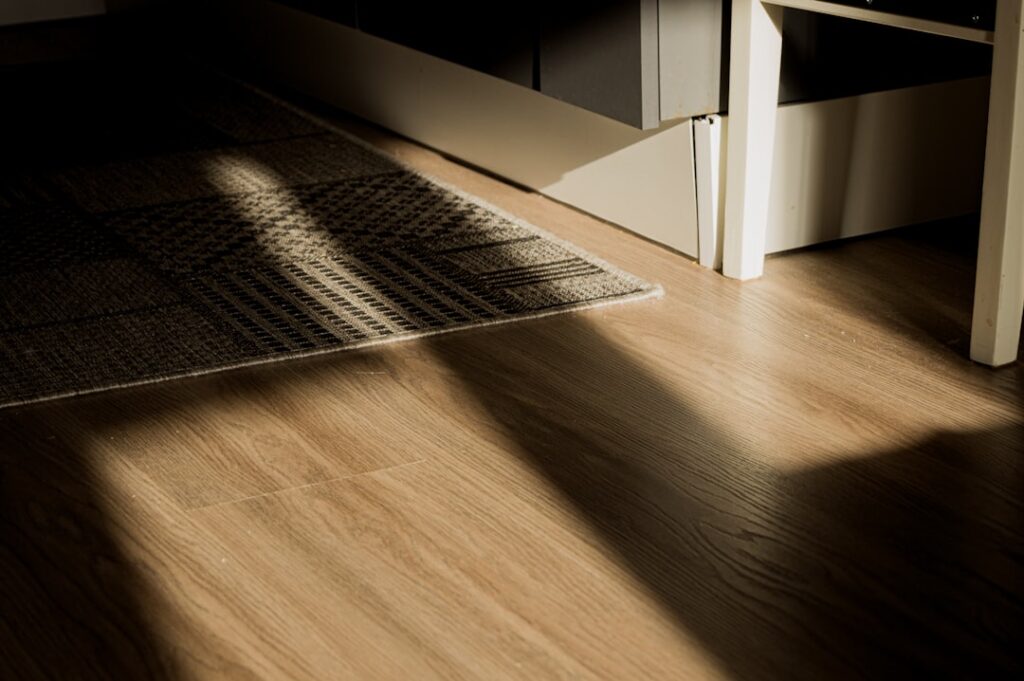
For millions of homeowners, the journey to a new floor starts in the flooring aisle looking at Home Depot vinyl planks. The retailer carries a deep lineup of luxury vinyl flooring under names like LifeProof and TrafficMaster, plus rigid-core and glue-down options that span budget-friendly to premium. The selection is wide enough to be confusing, though, and the labels throw around terms like “waterproof,” “rigid core,” and “mil” without always explaining them. This guide breaks down what Home Depot sells, how the in-house brands differ, and how to pick a plank that actually fits your room and budget.
The Main Vinyl Brands You’ll See
Home Depot’s vinyl flooring falls into a few recognizable lines. Knowing how they’re positioned saves you time in the aisle.
- LifeProof: the flagship rigid-core line, fully waterproof, with a thicker wear layer and attached underlayment on many SKUs. Positioned as the durable, family-friendly option.
- TrafficMaster: the value tier, including thinner glue-down and peel-and-stick tiles plus some click-lock planks. Good for budgets and rentals.
- Lifeproof and other rigid-core SPC products: stone-plastic composite cores that stay dimensionally stable over temperature swings and uneven subfloors.
You’ll also find name-brand options from major flooring manufacturers stocked alongside the house lines.
Waterproof vs. Water-Resistant — Read the Label
This distinction trips up a lot of shoppers. Rigid-core luxury vinyl with a stone or wood-plastic composite core is genuinely waterproof — standing water won’t damage the plank itself. Some thinner flexible vinyls are only water-resistant, meaning they tolerate spills wiped up promptly but aren’t rated for bathrooms or basements. If you’re flooring a kitchen, bath, mudroom, or below-grade space, confirm the box says waterproof, not just water-resistant.
Decoding Wear Layer and Thickness
Two numbers separate a plank that lasts from one that scratches in a year. The wear layer, measured in mils, is the clear protective top coat. The overall plank thickness, measured in millimeters, affects how solid the floor feels and how well it spans minor subfloor imperfections.
- 6-12 mil wear layer: light residential use, bedrooms, low-traffic rooms.
- 20 mil wear layer: homes with kids, pets, and heavy traffic.
- Plank thickness: entry-level around 4mm, premium rigid-core often 6mm to 8mm with attached pad.
For a busy household, a 20-mil wear layer on a 6mm-plus rigid core is the durable sweet spot.
What Home Depot Vinyl Costs
Pricing spans a wide range depending on tier. As a general guide, budget glue-down and peel-and-stick run roughly $1 to $2.50 per sq ft, mid-range click-lock LVP lands around $2.50 to $4, and premium rigid-core lines with thick wear layers run $4 to $6 per sq ft. Installation through the store’s third-party service typically adds $2 to $4 per sq ft, or you can install click-lock product yourself and pay nothing for labor. Always confirm current in-store and online pricing, as it shifts with promotions and stock.
DIY Installation Tips
Click-lock vinyl is one of the most DIY-friendly floors you can buy. A few rules keep the job clean:
- Acclimate the boxes in the room for 48 hours before installing.
- Make sure the subfloor is flat — within about 3/16 inch over 10 feet — and dry.
- Leave a 1/4 to 3/8 inch expansion gap around the perimeter, hidden by baseboards or quarter-round.
- Stagger end joints at least 6 inches and avoid repeating plank patterns.
A tapping block, pull bar, spacers, and a sharp utility knife are all the tools most jobs need.
Pros, Cons, and Who It’s For
Home Depot vinyl wins on availability, waterproof performance, easy installation, and realistic wood and stone visuals. The downsides: budget tiers with thin wear layers scratch and dent under heavy use, and on the cheapest peel-and-stick products, seams can lift over time. Match the tier to the room — premium rigid-core for kitchens and high-traffic living areas, value tiers for closets, laundry rooms, and rentals.
Ordering Samples and Estimating Quantity
One advantage of shopping a national retailer is the ease of ordering samples before committing to a whole-room order. Bring a sample home and look at it in your own light at different times of day, because the showroom’s bright lighting can make a plank look warmer or cooler than it will in your living room. Once you’ve chosen, measure each room carefully — length times width for the square footage — and add a 10 percent waste factor for straight installs or 15 to 20 percent for diagonal layouts and rooms with lots of cuts. Buy enough to keep at least one full box as attic stock; if a plank is damaged later, having a matching board on hand beats hunting for a discontinued color a few years down the road.
Comparing Tiers Before You Buy
It’s tempting to grab the cheapest option that looks right, but the difference between tiers usually shows up within a year of real use. The budget peel-and-stick and thin glue-down tiles are fine for a closet, laundry room, or rental refresh, but in a busy kitchen or hallway their thin wear layers scuff and their seams can lift. The mid-range click-lock planks hit the value sweet spot for most homes, while the flagship rigid-core line earns its premium in households with big dogs, kids, and rolling chairs. Think about the room’s traffic and moisture before you let price alone decide — paying an extra dollar per square foot up front is far cheaper than replacing a worn-out floor early.
The Bottom Line
Home Depot vinyl covers nearly every budget and use case, but the label does the talking. Confirm the floor is truly waterproof for wet areas, choose a 20-mil wear layer for active households, order samples before you commit, and don’t skip subfloor prep. Do that and you’ll get a tough, attractive floor — whether you splurge on the flagship rigid-core line or stretch a budget with the value tier.
Prefer to explore on your own?
See how new flooring looks in your actual room in seconds — free, no signup.
Try the free Floor Studio →