When summer turns your patio into an unusable hot zone by noon, a little homemade DIY patio shade can reclaim the space without the cost of a contractor or a fancy awning. With basic materials and a free weekend, you can block harsh sun, drop the temperature several degrees, and make your outdoor area comfortable again. From shade sails and simple pergolas to drop-cloth canopies and living plant walls, there’s a DIY solution for every budget and skill level. This guide walks through the best options, what they cost, and how to build them so you can enjoy your patio all season.
Part of our Decks & Outdoor guide — explore the full guide →
Why Add Shade to Your Patio
Direct sun does more than make you sweat. An exposed patio can become 10 to 20 degrees hotter than a shaded one, fading furniture, drying out potted plants, and driving everyone indoors. Shade transforms the space from a midday no-go zone into a usable outdoor room.
Beyond comfort, shade protects your skin from UV exposure and keeps adjacent rooms cooler by blocking heat before it reaches your windows and walls. A well-placed canopy can even lower your air conditioning load. The goal is simple: intercept the sun before it bakes your patio, and you instantly extend how many hours you can actually enjoy being outside.
Shade Sails: Big Coverage, Low Cost
A shade sail is one of the most popular DIY options because it covers a large area for relatively little money. These are triangular or rectangular pieces of UV-resistant fabric you stretch between anchor points, your house, posts, trees, or a fence.
- Cost: roughly $40 to $150 for the sail, plus hardware
- Anchors: use existing structures or set 4×4 or steel posts in concrete
- Hardware: stainless steel turnbuckles and eye bolts to pull the sail tight
- Pro tip: angle the sail so rain runs off and tension it firmly to prevent sagging and flapping
Choose a tightly woven, UV-rated fabric and mount the corners at slightly different heights for both drainage and a modern look. Overlapping two or three sails creates dramatic, layered coverage over a larger patio.
Build a Simple Pergola or Frame
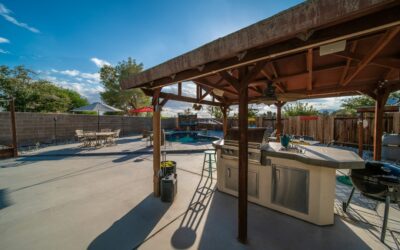
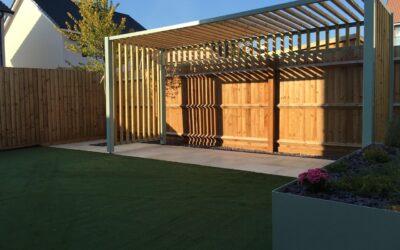
For a more permanent, structured look, a basic wood pergola is a satisfying weekend build. Even a simple four-post frame with cross beams provides partial shade and a framework you can add to.
Start with four 4×4 or 6×6 posts set in concrete footings, topped with beams and evenly spaced rafters. The open lattice of rafters alone casts pleasant dappled shade. To increase coverage, you can lay shade cloth across the top, weave outdoor fabric between the beams, or train climbing vines like wisteria, grape, or climbing roses over the structure for living shade that gets better every year. A basic pergola runs $300 to $1,500 in materials depending on size and wood choice, far less than a built or kit version installed.
Canopy and Drop-Cloth Ideas
If you want shade fast and cheap, fabric canopies are hard to beat. Painter’s drop cloths, outdoor curtains, or canvas tarps strung overhead create a soft, breezy cover with a relaxed, bohemian feel.
- Drop-cloth canopy: string heavy cord or cable between posts and drape painter’s drop cloths over it for a billowy, cottage look
- Outdoor curtains: hang weather-resistant curtain panels from a pergola or pipe frame for adjustable, slide-able shade
- Tarp or sail cloth: grommet the corners and tie a tarp taut between anchor points for instant coverage
These solutions cost as little as $30 to $80 and can be taken down for storms or winter. The tradeoff is durability, fabric canopies need re-tensioning and won’t last as long as a sail or solid roof, but they’re perfect for renters and quick fixes.
Natural Shade From Plants
Some of the best patio shade is alive. Strategic planting cools the air through transpiration and blocks sun without any fabric at all, and it looks beautiful doing it.
Fast-growing climbers on a trellis or pergola, like grapevines, climbing hydrangea, or trumpet vine, fill in within a season or two. Tall potted plants, ornamental grasses, or a row of bamboo create a living screen against low afternoon sun. For longer-term shade, a well-placed deciduous tree blocks summer sun while letting winter light through once the leaves drop. Combine a quick fabric solution now with plants for permanent shade later, and your patio improves year after year.
Umbrellas and Quick Solutions
Don’t overlook the humble patio umbrella for fast, flexible, no-build shade. A large cantilever or offset umbrella shades a seating area without a center pole in the way, while a classic market umbrella works through a table.
For renters or anyone who can’t dig post holes, freestanding options shine: a heavy umbrella base, a pop-up gazebo, or a portable shade canopy delivers coverage you can move and store. These run $50 to $300 and require zero installation. Anchor anything lightweight well, since a gust can turn an umbrella into a projectile.
Reading the Sun Before You Build
The smartest move before any shade project is to track where the sun actually hits your patio, because shade in the wrong spot is wasted effort. The sun’s path changes through the day and across seasons, so observe your space at the times you most want to use it.
In the Northern Hemisphere, the harshest heat usually comes from the west and southwest in the afternoon, which is exactly when most people want to relax outside. Watch your patio over a sunny day and note where the sun beats down during your peak hours. Position your sail, pergola, or canopy to block that afternoon angle specifically, even if it means the structure looks slightly off-center. A shade that’s perfectly centered but lets in the brutal 4 p.m. sun is far less useful than one angled to intercept it. Accounting for the low summer-evening sun, which slips in under many overhead structures, often means adding a vertical screen or curtain on the west side.
Materials That Hold Up Outdoors
Outdoor shade structures take a beating from sun, wind, and rain, so material choice determines how long your project lasts. Cheap indoor fabrics fade and rot within a season, while purpose-made outdoor materials endure for years.
- UV-rated shade fabric: woven polyethylene shade cloth blocks a rated percentage of UV and resists fading and mildew
- Sunbrella and solution-dyed acrylics: premium outdoor fabrics for curtains and canopies that resist fading
- Pressure-treated or cedar lumber: rot-resistant choices for pergola posts and frames
- Stainless or galvanized hardware: rustproof fasteners, turnbuckles, and eye bolts that survive the weather
Spend a little more on weather-rated materials and rustproof hardware up front. Standard steel hardware streaks rust down your patio within months, and untreated wood checks and rots. The extra cost is small compared to rebuilding a failed structure, and it keeps your shade looking good for many summers.
Choosing the Right Option for You
Pick based on your budget, whether you rent or own, and how permanent you want the solution. Renters and quick fixes favor umbrellas, canopies, and shade sails on freestanding posts. Homeowners wanting a lasting upgrade should consider a pergola, anchored sails, or planted shade.
Many of the best patios layer a couple of approaches, a sail or pergola for structure plus plants and an umbrella for flexibility. Whatever you choose, the payoff is the same: a cooler, more comfortable outdoor space you’ll actually use. With a modest budget and a weekend of work, homemade DIY patio shade turns a sun-blasted slab into your favorite spot in the yard.