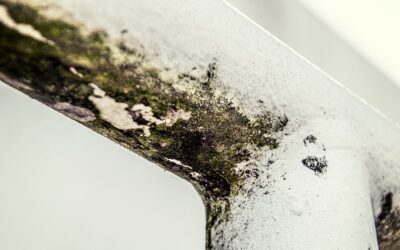
If your house smells like mildew after rain but seems fine during dry weather, the odor is giving you a clue: water is getting in somewhere, or humidity is spiking enough to wake up mildew hiding in porous materials. That timing is useful. It narrows the search to places where rainwater or rain-soaked air can reach, and each of those places has a specific repair.
The usual suspects are foundation seepage, overflowing gutters and poor grading, roof or flashing leaks, leaky windows and doors, open crawl space vents, and indoor humidity that climbs with outdoor moisture. Work through them from the outside in, and you will usually find the source within a weekend of observation.
- Why a House Smells Like Mildew After Rain
- Tools for Tracking the Source
- Cause 1: Foundation Seepage in Basements and Slabs
- Cause 2: Gutters, Downspouts, and Grading
- Cause 3: Roof and Flashing Leaks
- Cause 4: Window and Door Leaks
- Cause 5: Crawl Space Moisture and Vents
- Cause 6: Humidity Spikes Without a Leak
- Cleaning Up the Mildew Once the Water Is Stopped
- When to Call a Professional
- Frequently Asked Questions
Why a House Smells Like Mildew After Rain
Mildew and mold spores are present in almost every home. They stay dormant until they get moisture, then they grow and release musty-smelling compounds. When a house smells like mildew after rain, one of two things is happening. Either liquid water is entering and dampening wood, drywall, insulation, or carpet, or humidity rises so high that materials absorb moisture from the air. Both need a fix, but the repair is very different, so diagnose before you spend.
Start with a simple test. Place a digital hygrometer in the smelliest room and another in a room that stays fresh. Record readings before, during, and a day after the next storm. Relative humidity jumping above 60 percent everywhere points to a humidity problem. A reading high in only one area, plus a smell concentrated there, points to a leak.
Tools for Tracking the Source
- Digital hygrometers (two or three)
- Pin or pinless moisture meter for wood, drywall, and concrete
- Bright flashlight and a notebook or phone camera
- Stable ladder for gutter and window checks
- Garden hose for controlled water tests
- Gloves, eye protection, and an N95 respirator for poking into damp areas
Cause 1: Foundation Seepage in Basements and Slabs
Rain saturates the soil around the house, and hydrostatic pressure pushes water through cracks, cold joints, and porous concrete. Signs include damp patches at the base of walls, white powdery efflorescence, a musty odor strongest at floor level, and moisture meter readings that rise after storms.
Fix: Seal small cracks with hydraulic cement or polyurethane injection. Interior masonry waterproofing paint helps with light dampness. Persistent seepage needs drainage: an interior perimeter drain with a sump pump, or exterior excavation with membrane and footing drains. Interior drainage systems typically cost several thousand dollars; exterior work costs more. Run a dehumidifier in the meantime to keep relative humidity between 30 and 50 percent.
Cause 2: Gutters, Downspouts, and Grading
Clogged gutters overflow and dump roof water right against the foundation, and short downspouts do the same. Soil that slopes toward the house sends runoff straight to the walls. This cause is the most common and the cheapest to correct.
Fix: Clean gutters at least twice a year and after heavy leaf drop. Add downspout extensions that discharge 4 to 6 feet from the foundation. Regrade soil so it drops about 6 inches over the first 10 feet away from the house, keeping soil and mulch below siding. Watch the house during a heavy rain; overflowing gutters and puddles near the foundation tell you exactly where to work.
Ladder safety for gutter work
Set the ladder on firm, level ground, extend it at least 3 feet above the roof edge, and keep three points of contact. Never lean far to one side; move the ladder instead. Avoid ladder work in wet or windy conditions, stay clear of overhead power lines, and have a helper steady the base. For two-story or steep homes, hire a gutter or roofing contractor rather than working from a tall ladder.
Cause 3: Roof and Flashing Leaks
A small roof leak can soak attic insulation and the top of a ceiling for days before a stain shows. A mildew smell upstairs or in closets after rain, especially one that fades during dry spells, suggests the roof. Common entry points are cracked flashing around chimneys, vent pipe boots, skylights, and damaged or missing shingles.
Fix: After a storm, inspect the attic with a flashlight for dark stains, damp insulation, or drips on the underside of the deck. Replace cracked pipe boots and reseal flashing. Wet insulation should be removed and replaced once the leak is fixed. Roof work is best done by a roofing contractor, particularly on steep or multi-story roofs; repairs often range from a few hundred dollars for a boot or flashing fix to much more for decking replacement.
Cause 4: Window and Door Leaks
Wind-driven rain finds gaps around windows and doors. Failed caulk, clogged weep holes, missing flashing, and deteriorated sills let water into the wall cavity, where it wets sheathing and drywall. Look for peeling paint, soft wood on sills, stains below corners, or swollen trim.
Fix: Clear weep holes on window frames, recaulk exterior trim joints with a quality exterior sealant, and replace rotten sill wood. A controlled hose test, running water on one section of the window for 10 to 15 minutes while a helper watches inside, pinpoints the leak. If the wall cavity is wet, open a small section of drywall to dry it and check for mold before closing it up.
Cause 5: Crawl Space Moisture and Vents
Many crawl spaces have vents meant to air them out, but in humid weather those vents let in wet air that condenses on cool joists and ductwork. After rain, groundwater may also pool on a dirt floor. Rising air carries that musty smell into the living space above.
Fix: Lay a heavy polyethylene vapor barrier over the dirt floor, overlapping and taping seams and running it partway up the walls. Correct exterior drainage so water does not pond in the crawl space. In humid climates, full encapsulation with sealed vents and a dehumidifier often solves the problem for good; professional encapsulation commonly costs several thousand dollars depending on size.
Cause 6: Humidity Spikes Without a Leak
Sometimes nothing leaks at all. Rainy days raise outdoor humidity, and a tight house with poor ventilation holds that moisture. Showers, cooking, and drying clothes indoors add more. Carpet, upholstery, closets against exterior walls, and bathrooms without working fans then start to smell.
Fix: Run bathroom and kitchen exhaust fans vented to the outdoors during and after use. Keep air conditioning running in humid weather, since it removes moisture as it cools. Use a dehumidifier in problem rooms or the basement, targeting 30 to 50 percent. Leave closet doors cracked open and pull furniture a few inches off exterior walls so air can circulate.
Cleaning Up the Mildew Once the Water Is Stopped
Fix the moisture first; cleaning without that step only buys a few weeks. Then wipe mildew off hard surfaces with detergent and water or a labeled mold cleaner, and dry thoroughly. Launder or replace musty fabrics. Porous materials such as drywall, ceiling tiles, and insulation that stayed wet for more than a day or two often need cutting out and replacing. Wear gloves, eye protection, and a respirator while you work, and keep the area ventilated. If mold covers more than about 10 sq ft or keeps coming back, hire a remediation professional.
For the final stage, charcoal bags and a carbon-filter air purifier help absorb the leftover odor while materials finish drying.
When to Call a Professional
Contact a waterproofing contractor for recurring foundation seepage, a roofer for any leak you cannot safely reach, and a remediation company for large or hidden mold. Also call for help if you see sagging ceilings, soft floors, or wide foundation cracks, since those point to damage beyond a musty odor.
Frequently Asked Questions
Why does my house only smell musty when it rains?
Rain either lets water into the structure through the foundation, roof, or windows, or it raises indoor humidity enough to reactivate mildew in porous materials. The timing points to a moisture source you can track down.
Is a mildew smell after rain dangerous?
The smell itself signals mold or mildew growth, which can irritate allergies and asthma. It also means water is damaging materials, so find and fix the source promptly.
Will a dehumidifier stop the mildew smell after rain?
A dehumidifier fixes humidity-driven odors and helps while repairs are underway, but it cannot stop liquid water leaking through a roof, window, or foundation. Pair it with repairs to the water entry point.
How do I find where rainwater is getting in?
Compare hygrometer and moisture meter readings before and after storms, inspect the attic and basement during rain, and use a controlled hose test on suspect windows or walls to pinpoint the leak.
How long does it take for the musty smell to go away?
Once the water source is fixed and wet materials are dried or replaced, most odors fade within one to three weeks, faster with a dehumidifier and good air circulation.