
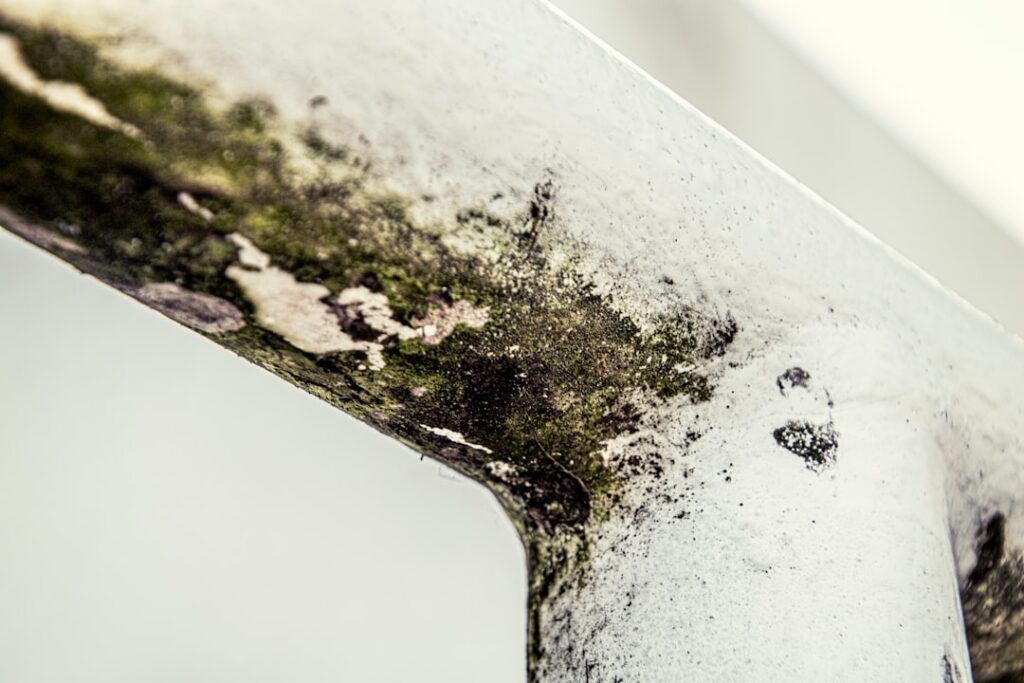
That damp, musty odor that hits you the second you walk in is more than unpleasant, and if you’re asking why does my bathroom smell like mildew, the short answer is trapped moisture feeding fungal growth somewhere you probably can’t see. Mildew and mold are microscopic fungi that thrive in warm, wet, poorly ventilated spaces, and a bathroom checks every box. The good news: nearly every source is findable and fixable once you know where to look.
Part of our Bathroom Remodeling & Flooring guide — explore the full guide →
Having tracked down these smells in countless homes, I can tell you the odor almost always points to one of a handful of culprits. Let’s work through them in order, from the easy wins to the hidden problems, and then lock in habits that keep the smell from coming back.
What Mildew Smell Actually Tells You
The musty odor comes from microbial volatile organic compounds (MVOCs) that mold and mildew release as they grow. In other words, your nose is detecting active fungal growth in real time. Ignoring it lets colonies spread into grout, drywall, and subfloor, so treating the smell early saves you from a bigger, costlier remediation later. The smell is a warning light, not just a nuisance.
The Most Common Causes
Here are the usual suspects, roughly in the order I check them.
1. Poor or Failing Ventilation
This is the number-one cause. If your exhaust fan is undersized, clogged with dust, vented into the attic instead of outside, or simply not run long enough, humidity lingers after every shower. That standing moisture on walls, ceilings, and grout is a mildew buffet. Hold a tissue up to the running fan; if it doesn’t hold firmly against the grille, your fan isn’t moving enough air.
2. Damp Towels, Mats, and Shower Curtains
Fabric that never fully dries becomes a mildew factory. A bath mat that stays wet, towels bunched on a hook, or a shower curtain with black speckles along the bottom hem all off-gas that musty smell. This is the easiest source to rule out and fix.
3. Grout, Caulk, and Tile Mildew
Porous grout lines and silicone caulk around the tub and shower absorb water and grow mildew in the pores. You’ll often see pink or black staining. Even when it’s not obviously visible, mildew inside grout radiates odor every time the surface gets wet.
4. Plumbing Leaks and a Dry P-Trap
A slow leak under the sink, behind the toilet, or inside a wall keeps materials perpetually damp. Separately, a floor drain or seldom-used sink can develop a dry P-trap, letting sewer gas seep up, an odor people often confuse with mildew. Run water down unused drains monthly to keep traps sealed.
5. Hidden Mold Behind Walls or Under Flooring
When the smell is strong but you can’t find a surface source, suspect moisture behind drywall or under the flooring. A past leak, a failed shower pan, or water wicking under vinyl or tile can grow substantial colonies out of sight. This is the most serious cause and sometimes needs professional help.
Step-by-Step Fixes
Work through these in order. Most bathrooms are cured by the first three steps.
- Fix your ventilation. Clean the exhaust fan cover and blades, confirm it vents outside, and run it during every shower plus 20 to 30 minutes after. If it’s weak, upgrade to a fan rated at least 1 CFM per square foot of floor. A timer switch makes this automatic.
- Launder and dry everything fabric. Wash towels, mats, and the shower curtain in hot water with a cup of white vinegar. Replace curtains with visible black mildew. Hang everything to dry fully between uses, spread out rather than folded.
- Deep-clean grout and caulk. Scrub grout with a paste of baking soda and water, then spray with a mildew cleaner or a 1:1 vinegar-water solution and let it sit 10 minutes. For stubborn black stains, use a diluted bleach solution (one part bleach to four parts water) with ventilation. Replace caulk that’s permanently stained; peel the old bead and reapply mildew-resistant silicone.
- Hunt for leaks. Check under the sink, around the toilet base, and along the tub for dampness, soft spots, or discoloration. Fix any drip and dry the area completely. Pour water down floor and unused drains to refill dry P-traps.
- Control ongoing humidity. Keep bathroom humidity below 50 percent. A small dehumidifier or leaving the door open after showering helps enormously. A hygrometer costs a few dollars and takes the guesswork out.
When the Smell Won’t Go Away
If you’ve cleaned, ventilated, and dried everything and the musty smell persists, the moisture source is likely hidden. Look for warning signs: bubbling paint, soft or discolored drywall, a spongy floor near the tub, or the smell intensifying after you run water. At that point, pull an access panel or a section of baseboard and inspect. Widespread hidden mold (larger than about 10 square feet) is a job for a remediation professional, who can find the moisture source, remove affected materials safely, and treat the cavity.
Products That Actually Help
- White vinegar: cheap, kills many mildew species, and deodorizes. Your first line of attack.
- Baking soda: a mild abrasive and odor absorber for grout scrubbing.
- Mildew-resistant silicone caulk: $6 to $10 a tube and worth every penny in wet zones.
- A quality exhaust fan: $50 to $150, the single best long-term investment against recurring smell.
- A plug-in dehumidifier or moisture absorber: keeps humidity in check in bathrooms without windows.
Preventing Mildew for Good
Prevention comes down to denying moisture the time it needs to grow fungus. Squeegee shower walls after use, run the fan religiously, hang towels spread out, wash bath mats weekly, and re-caulk at the first sign of gaps. Refresh grout sealer once a year to keep those lines from soaking up water. Keep the door or a window cracked when you can. These small habits together make the difference between a bathroom that stays fresh and one that turns musty within days of every cleaning.
Bathrooms Without Windows or Fans
Interior bathrooms with no window and a weak or absent fan are the toughest cases, because moisture has nowhere to escape. If you rent or can’t rewire, lean hard on portable solutions: run a small plug-in dehumidifier daily, keep the door open between uses to let air circulate, and set a moisture absorber tub in a corner to pull ambient humidity down. Wipe down the walls and mirror after a hot shower so water never sits long enough to feed fungus. If you own the home, upgrading to a properly vented, humidity-sensing exhaust fan is the permanent fix and usually costs a few hundred dollars installed. A humidity-sensing fan switches itself on when moisture spikes and off once the air dries, so the room stays under that critical 50 percent threshold without you thinking about it. In a windowless bath, that automatic control is worth far more than any air freshener, which only masks the odor while the mildew keeps growing underneath.
Frequently Asked Questions
Is a mildew smell in the bathroom dangerous?
The smell itself signals active mold or mildew, which can trigger allergies, asthma, and respiratory irritation in sensitive people. Small surface mildew is manageable, but large or hidden growth warrants prompt attention and possibly a professional.
Why does my bathroom smell like mildew even after cleaning?
Because you’ve cleaned the surface but not removed the moisture source or reached hidden growth behind walls, under flooring, or deep in grout. Fix the ventilation and any leak, and the smell that keeps returning usually stops.
Can a dry P-trap cause a musty smell?
Yes. An evaporated P-trap in a rarely used drain lets sewer gas rise, which many people mistake for mildew. Running water down the drain refills the trap and seals off the odor.
How do I stop mildew from coming back?
Control humidity below 50 percent with a strong exhaust fan, dry all fabrics fully, seal grout annually, and re-caulk at the first sign of failure. Consistent moisture control is the only lasting fix.
Track the moisture, kill the growth, and keep humidity low. Do those three things and that mildew smell disappears for good instead of haunting your bathroom week after week.


