
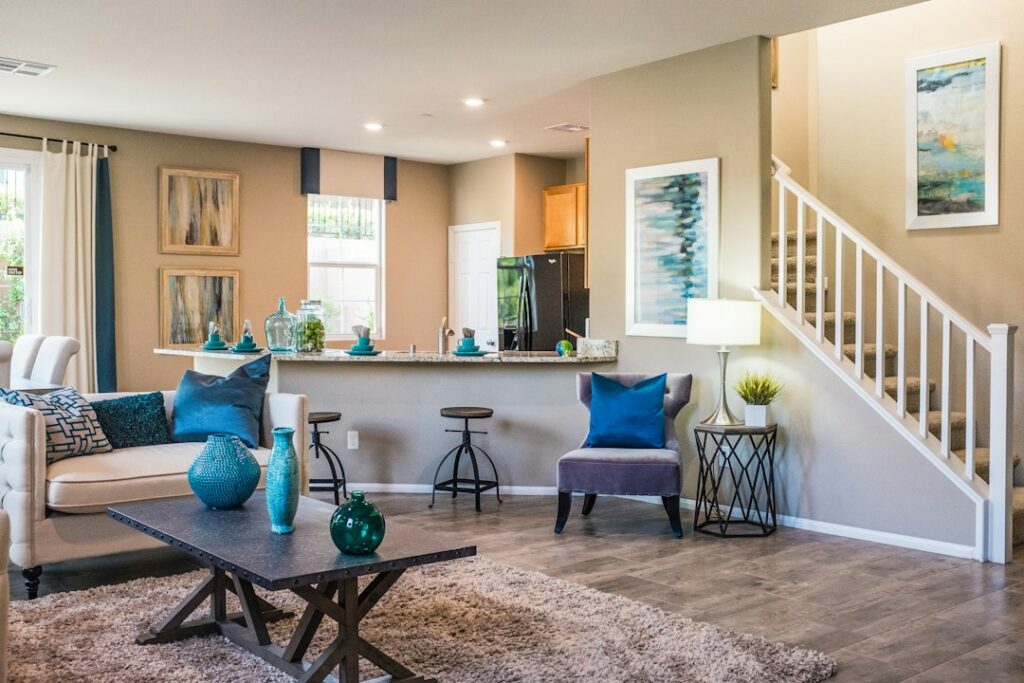
A cheap synthetic rug in a busy entryway can look worn out in a year or two, while a hand-knotted wool rug in a dining room can be passed down for generations. So how long do rugs last? Most area rugs last somewhere between 3 and 20 years, with fiber type, construction and foot traffic doing most of the deciding. Care habits shift that number up or down by several years.
Wool usually sits at the top of the range, often 15 to 25 years for machine-made pieces and far longer for well-made hand-knotted rugs. Synthetic fibers like polypropylene and polyester tend to land around 3 to 10 years. Natural plant fibers like jute and sisal often give 3 to 7 years, and flatwoven cotton rugs commonly last 2 to 5 years in regular use.
Unlike wall-to-wall carpet, an area rug can be rotated, flipped, moved to a quieter room and cleaned more thoroughly, which gives you more control over its lifespan. Small habits add up quickly.
How Long Do Rugs Last by Fiber?
| Fiber | Typical Lifespan | Strengths and Weak Spots |
|---|---|---|
| Wool (machine-made) | 15 to 25 years | Resilient, resists crushing; can shed early and dislikes overwetting |
| Wool (hand-knotted) | 25 to 50+ years | Dense, repairable; needs professional cleaning |
| Nylon | 10 to 15 years | Very durable and springy; can be pricier than other synthetics |
| Polypropylene (olefin) | 3 to 8 years | Stain and moisture resistant; mats and crushes in heavy traffic |
| Polyester | 5 to 10 years | Soft, colorfast; flattens and attracts oily soil |
| Jute and sisal | 3 to 7 years | Natural texture; sheds, stains easily and weakens with moisture |
| Cotton (flatweave) | 2 to 5 years | Washable when small; thin and quick to fade or fray |
| Silk or viscose blends | Varies widely | Lustrous; viscose is delicate and water-sensitive |
Those figures are typical examples for a rug in a moderately used living area. Put the same rug in a hallway with kids, pets and outdoor shoes, and expect the lower end of the range or less. Move it to a guest bedroom, and it may last well beyond the top figure.
Construction Matters as Much as Fiber
Two wool rugs can wear very differently depending on how they were made.
- Hand-knotted: Each knot is tied to the foundation, so the pile cannot pull out easily. These rugs can be rewoven and repaired, which is why they last so long.
- Hand-tufted: Yarn is punched through a backing and held with latex glue and a secondary cloth. When the glue dries out after 10 to 15 years or so, tufts loosen and the backing can crumble.
- Machine-woven (power-loomed): Durability depends on density. Tightly woven rugs hold up well; loose, low-density weaves wear quickly.
- Flatweave: No pile to crush, which helps in traffic, but the thin structure can fray at edges and wear through.
- Shag and high-pile: Plush and cozy, but long fibers mat, tangle and trap debris in busy rooms.
A quick density test: fold the rug back on itself. If you can see a lot of backing between rows of yarn, the pile will crush and wear faster. A dense rug shows little or no backing.
Traffic and Placement
Location is the second biggest factor after material. High-traffic zones like entryways, hallways and the path between kitchen and family room wear rugs fastest. Grit tracked in on shoes acts like sandpaper, cutting fibers at the base every time someone walks across.
- Entryways and mudrooms: choose tough synthetics or flatweaves and expect replacement every few years.
- Living rooms: wool or nylon handles daily use well for a decade or more.
- Dining rooms: chair legs drag and grind; a low, dense pile and a rug large enough for chairs to stay on when pulled out helps.
- Bedrooms: lower traffic lets softer fibers last.
- Sunny rooms: UV fades dyes and dries natural fibers, so use window treatments or UV film near south and west windows.
Habits That Extend Area Rug Lifespan
- Use a rug pad. A good rug pad stops slipping, absorbs foot impact and reduces friction between the rug’s back and the floor. That friction is a hidden cause of worn backings and bald spots. Felt or felt-and-rubber pads cut slightly smaller than the rug suit most rooms. Choose a pad that is safe for your floor finish, since some cheap rubber or PVC pads can discolor hardwood and vinyl.
- Rotate every 6 to 12 months. Turning the rug 180 degrees spreads wear and sun fading evenly. Reversible flatweaves can also be flipped.
- Vacuum regularly. Once or twice a week in busy rooms removes abrasive grit. Use suction only or a raised brush roll on wool, shag and hand-knotted rugs, and never run a beater bar over fringe.
- Blot spills immediately. Use a clean white cloth and cool water; do not rub. Rubbing spreads the stain and frays the fiber tips.
- Deep clean on a schedule. Synthetic rugs can often handle home cleaning; wool, silk, viscose and hand-knotted pieces generally need a professional rug cleaner every 1 to 3 years.
- Shake out or beat small rugs. Removing embedded dirt outdoors keeps fibers from being cut.
- Use furniture coasters. Heavy legs leave permanent crush marks. Move furniture slightly every few months.
- Adopt a shoes-off policy or put a sturdy doormat at every entrance to reduce grit.
Pets, Kids and Moisture
Households with dogs, cats and young children put rugs through a different kind of wear. Claws snag loop piles and pull threads from flatweaves, so cut-pile or tightly woven rugs hold up better than loop or berber-style textures. Accidents are the bigger threat. Urine soaks through the pile into the foundation and pad, and once it reaches the backing, odor and discoloration are hard to reverse. Blot fresh accidents right away, follow with an enzyme cleaner made for rugs, and test any cleaner on a hidden corner first.
Moisture in general shortens rug life. A rug placed on a damp basement slab or a bathroom floor can mildew from the back side long before the face shows wear. Natural fibers like jute and sisal are especially sensitive and can rot or brown with repeated wetting. In damp spaces, choose a synthetic rug with a breathable backing, lift it occasionally to let the floor dry, and run a dehumidifier when humidity stays high. Washable rugs are a practical choice for kitchens, pet areas and play rooms, though frequent machine washing wears them faster, so many last only a few years before fraying.
Signs It Is Time to Replace a Rug
- Bald patches or worn-through areas that show the foundation
- Pile that stays matted after vacuuming and grooming
- Persistent odors, especially from pet accidents that soaked into the pad and backing
- Crumbling latex backing that leaves dust on the floor (common in older tufted rugs)
- Edges that curl no matter what, creating a trip hazard
- Mold, mildew or water damage that cleaning does not fix
- Fading or staining you can no longer live with
Before replacing a valuable wool or hand-knotted rug, ask a rug restoration specialist about reweaving, binding fraying edges or replacing fringe. Repair can cost far less than a comparable new piece.
Typical Costs to Care for or Replace a Rug
- Rug pad: generally a small fraction of the rug’s price, scaling with size and thickness
- Professional cleaning: usually priced per square foot, with hand-knotted and delicate fibers at the higher end
- Edge binding or fringe repair: often modest for small areas and more for full perimeter work
- Replacement: synthetic machine-made rugs are the most affordable, wool costs more, and hand-knotted wool and silk rugs span a very wide range
For a heavily used room, a moderately priced wool or nylon rug often costs less per year of use than a cheap polypropylene rug you replace three times.
Choosing a Rug That Will Last
Match fiber to room. Wool or nylon for main living areas, washable or tightly woven synthetics for entryways, pet zones and kids’ rooms, and natural fibers like jute where traffic is light and spills are rare. Pick a dense construction, check that the backing is secure and plan for a pad from day one. A thoughtful choice plus basic care is the most reliable answer to how long do rugs last in your own home.
Frequently Asked Questions
How long do wool rugs last compared with synthetic rugs?
Machine-made wool rugs commonly last 15 to 25 years, while polypropylene and polyester rugs often last 3 to 10 years. Nylon falls in between at roughly 10 to 15 years.
Does a rug pad really make a rug last longer?
Yes. A pad absorbs impact and reduces friction between the rug and the floor, which slows backing wear and pile crushing while also preventing slips.
How often should I rotate an area rug?
Every 6 to 12 months for most rooms, and more often for rugs in bright sun or heavy traffic paths.
How long does a jute rug last?
Jute rugs typically last 3 to 7 years. They wear faster in high traffic and can weaken or brown if they get wet repeatedly.
Can an old wool rug be restored?
Often, yes. Specialists can clean, rebind edges, replace fringe and reweave worn areas, especially on hand-knotted wool rugs.


