Two cedar roofs installed the same week can age at completely different speeds. Ask how long does a cedar shake roof last and the honest answer is a range: about 15 to 20 years for a neglected roof in a damp, shaded spot, and 30 to 40 years or more for a high-grade, well-ventilated roof that gets regular care. Climate, shake grade, thickness, treatment and maintenance decide where your roof lands.
Part of our Roofing guide — explore the full guide →
Cedar is naturally resistant to rot and insects because of oils and extractives in the heartwood. Those protective compounds leach out slowly with sun and rain, which is why an untreated roof turns silver-gray and gradually becomes more vulnerable to moss, fungus and splitting. Maintenance is mostly about slowing that process and keeping the wood able to dry out.
- How Long Does a Cedar Shake Roof Last by Climate?
- Grade, Thickness and Treatment
- Maintenance Schedule That Adds Years
- Signs Your Cedar Roof Is Nearing the End
- Typical Costs to Maintain or Replace
- Chemical Safety for Cleaners and Preservatives
- Ladder and Roof Safety
- When to Hire a Pro
- Frequently Asked Questions
If you already have a cedar roof, the most valuable thing you can do is set a cleaning and treatment schedule and stick to it. If you are considering one, the details on grade and installation matter as much as the price per square.
How Long Does a Cedar Shake Roof Last by Climate?
Weather is the biggest single factor. Here is how typical lifespans shift across US climate types, assuming decent installation and moderate care:
- Dry, moderate climates (inland West, high plains): often 30 to 40 years. Low humidity keeps moss away, though intense sun can dry and cup shakes, so UV-protective treatment matters.
- Humid, rainy climates (Pacific Northwest, Gulf Coast, Southeast): commonly 20 to 30 years. Constant moisture feeds moss, algae and fungal decay, especially on north-facing and shaded slopes.
- Cold, snowy climates (Northeast, upper Midwest): typically 25 to 35 years. Ice dams and lingering snow hold water against the eaves, while freeze-thaw cycles can widen splits.
- Hot, sunny climates (Southwest desert): roughly 20 to 30 years. Heavy UV exposure breaks down surface fibers and dries out natural oils quickly.
- Coastal and wildfire-prone areas: salt air, wind and fire codes can all shorten service life or require fire-retardant-treated products.
Within any climate, the slope direction matters. A south-facing slope dries fast but weathers from sun, while a north slope under trees stays damp and grows moss. It is common for one side of a cedar roof to need replacement years before the other.
Grade, Thickness and Treatment
Shake vs Shingle
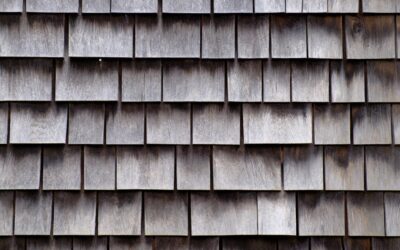
Shakes are thicker and more rustic, traditionally split on at least one face, while cedar shingles are sawn on both faces and thinner. Thicker shakes generally last longer because there is more wood to weather away before splitting or leaking begins.
Grade
The highest grade of cedar is cut from 100 percent heartwood with edge grain and no sapwood. Heartwood carries most of the natural decay resistance, and edge-grain pieces resist cupping and splitting. Lower grades with flat grain or sapwood are cheaper but can age noticeably faster. On a long-life roof, top-grade material is usually worth the premium.
Thickness
Heavy shakes (roughly 3/4 inch or more at the butt) outlast medium shakes (around 1/2 inch). Tapersawn shakes have a cleaner look and consistent thickness that helps them lie flat.
Factory Treatment
Pressure-treated cedar, typically with a copper-based preservative, can significantly extend lifespan in wet climates, and some manufacturers back treated products with longer warranties. Fire-retardant-treated shakes are required in some wildfire-risk areas and may carry a Class A or Class B rating when installed as a system. Ask what treatment the product received and how often field-applied treatment is recommended afterward.
Maintenance Schedule That Adds Years
A consistent routine is what separates a 20-year roof from a 35-year roof. The intervals here are typical examples; adjust based on your climate and how fast moss returns.
| Task | Typical Interval | Why It Matters |
|---|---|---|
| Clear debris from roof and valleys | 2 times a year | Lets shakes dry and stops water damming |
| Clean gutters | 2 to 4 times a year | Prevents rot at the eave course |
| Trim overhanging branches | Every 1 to 2 years | Adds sun and airflow, reduces moss |
| Gentle cleaning for moss and algae | Every 2 to 3 years, or as needed | Removes growth that holds moisture |
| Apply wood shake preservative | Every 3 to 5 years | Restores UV and fungal protection |
| Professional inspection | Every 2 to 3 years | Catches splits, cupping and flashing issues |
Cleaning Without Damage
Avoid high-pressure washing. A strong jet tears soft surface fibers, raises the grain and can drive water under shakes. Professionals use low-pressure rinsing, soft brushing and cleaners formulated for wood roofs, then let the roof dry fully before any treatment goes on.
Applying Preservative
A penetrating wood shake preservative with fungicide and UV inhibitors helps replace the protective oils the cedar has lost. Oil-based and water-based options both exist; choose one labeled for cedar roofing, not a deck stain or film-forming sealer that traps moisture. Application is normally done by low-pressure spray on a dry roof with mild weather forecast for a couple of days.
Zinc or Copper Strips
Metal strips installed near the ridge release small amounts of metal ions with each rain, which discourages moss growth further down the slope. They help most on the upper part of the roof and work best combined with regular cleaning.
Signs Your Cedar Roof Is Nearing the End
- Shakes that are split all the way through, curled, cupped or badly thinned
- Soft, spongy or crumbling wood when pressed, a sign of rot
- Thick moss mats that return quickly after cleaning
- Many missing or loose shakes after normal storms
- Gaps that show the underlayment or deck
- Leaks and stains in the attic, especially near valleys and the eaves
- Visible sagging in the roof plane
Spot repairs make sense while damage is limited to scattered shakes. Once a large share of the roof shows rot or severe weathering, ongoing repairs usually cost more than they save.
Typical Costs to Maintain or Replace
Costs vary by region, roof size, pitch and access, so these are general ranges only:
- Professional cleaning: often a few hundred dollars to low thousands for an average home
- Cleaning plus preservative treatment: commonly roughly 1.5 to 2 times the cost of cleaning alone
- Spot repairs: frequently a few hundred dollars for a batch of replacement shakes and labor
- Full cedar shake replacement: usually priced per roofing square and typically among the higher-cost roofing choices, well above asphalt shingles
Spending a modest amount every few years on cleaning and treatment can stretch replacement out by a decade or more, which almost always pays off when you compare it with the cost of a full tear-off.
Chemical Safety for Cleaners and Preservatives
Roof cleaners and wood preservatives contain biocides, oils and solvents that need careful handling.
- Read and follow the product label, including dilution and coverage rates.
- Wear chemical-resistant gloves, eye protection and a respirator if the label calls for one.
- Never mix cleaners, especially bleach-based products with ammonia or acids, since this can release toxic gases.
- Cover plants and shrubs, and keep runoff out of ponds and storm drains where possible.
- Keep solvent-based products away from pilot lights, grills and other ignition sources, and store rags flat to dry outdoors because oil-soaked rags can self-heat.
- Keep children and pets away until the roof and ground have dried.
Ladder and Roof Safety
Wet cedar is slick, and treated wood is even slicker. Falls from roofs are a leading cause of serious home-improvement injuries. Inspect from the ground with binoculars or from a ladder at the eave whenever possible. Set extension ladders on firm, level footing, extend them at least 3 feet past the roof edge, maintain three points of contact and have a helper on the ground. Do not walk a cedar roof that is wet, mossy, freshly treated or steeper than you can comfortably stand on, and hire a professional with fall protection for any two-story roof or work on the main roof field.
When to Hire a Pro
Cleaning and treating an entire roof, replacing more than a handful of shakes, repairing flashing and diagnosing leaks are best handled by a roofer who specializes in wood roofing. Generalists sometimes pressure wash or use film-forming sealers that do more harm than good. Ask for references on cedar work specifically, confirm insurance and check whether your area requires permits or fire-rated products for re-roofing.
Frequently Asked Questions
How long does a cedar shake roof last without maintenance?
Without cleaning or treatment, many cedar roofs last about 15 to 25 years, and less in damp, shaded locations where moss and rot take hold early.
How often should cedar shakes be treated?
A penetrating preservative is typically applied every 3 to 5 years, after a gentle cleaning and once the roof has dried thoroughly.
Is it safe to pressure wash a cedar roof?
High-pressure washing is not recommended. It strips wood fibers and can force water under the shakes. Low-pressure rinsing and soft brushing are safer.
Do cedar shakes last longer than cedar shingles?
Generally yes. Shakes are thicker, so there is more wood to weather before splits and leaks develop, although high-grade shingles can also perform well.
Can I replace only part of a cedar roof?
Yes. Replacing one worn slope is common, especially on north-facing or shaded sides. New shakes will look lighter at first and weather to match over time.