Epoxy floors are marketed as nearly indestructible, but the honest answer to how long one lasts depends almost entirely on the product used and the quality of the prep. So how long does epoxy floor last in the real world? A properly installed professional-grade system lasts 10 to 20 years in a home garage, while a big-box DIY kit often shows wear in just 1 to 3 years, and a commercial floor under forklift traffic might need recoating in 5 to 7.
Part of our Epoxy, Concrete & Garage Floors guide — explore the full guide →
I have poured and repaired epoxy floors across garages, warehouses, and showrooms, and the single biggest predictor of lifespan is not the epoxy at all; it is the surface prep underneath it. Let me give you the real numbers by application, explain what shortens a floor’s life, and lay out exactly how to get the maximum decades out of yours.
Lifespan by Application and Product Grade
Not all epoxy is created equal. The thickness, the solids content, and the topcoat make an enormous difference. Here is what to actually expect:
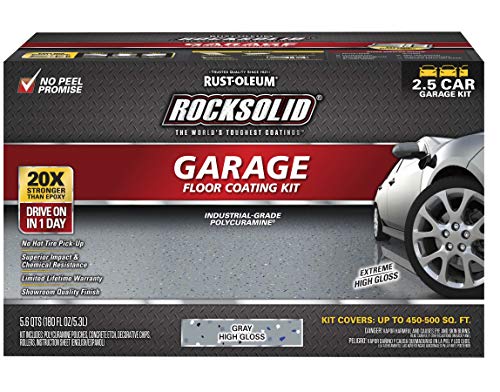
- DIY water-based kits (big-box store): 1 to 3 years before peeling, hot-tire pickup, or wear appears. These are thin, low-solids coatings.
- DIY high-solids or 100% solids kits: 3 to 7 years if the prep is done well.
- Professional 100% solids epoxy with polyurethane or polyaspartic topcoat (home garage): 10 to 20 years.
- Commercial epoxy (retail, light industrial): 10 to 15 years.
- Heavy industrial epoxy (warehouses, forklifts): 5 to 10 years depending on traffic, often maintained with recoats.
The gap between a $120 store kit and a professional system is the difference between a coating and a floor. The pro system is many times thicker and topped with a wear layer designed to take the abuse.

What Actually Wears Epoxy Out
Understanding the failure modes helps you avoid them. Epoxy rarely dies of old age; it dies of specific, preventable stressors.
Poor Surface Preparation
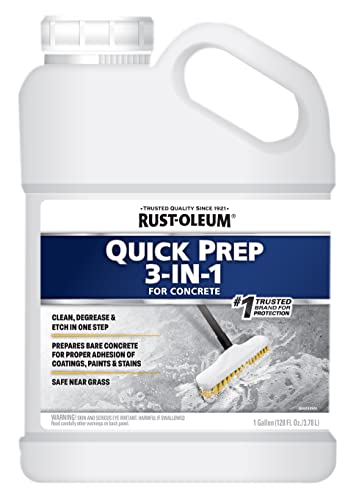
This is the number one killer. Epoxy needs a clean, porous, profiled surface to bond to. If the installer skips diamond grinding or acid etching and just rolls epoxy over a sealed or dirty slab, it will delaminate, peel, and flake regardless of how good the epoxy is. A floor that peels in year one almost always failed because of prep, not product.
Moisture in the Slab
Concrete with high moisture vapor transmission pushes water up through the slab and lifts the epoxy off in bubbles and blisters. A moisture test (calcium chloride or relative humidity probe) before coating is essential, and a moisture-mitigating primer is needed on problem slabs.
Hot Tire Pickup
Warm tires from a just-driven car soften cheap coatings and literally peel them up when you pull out. Quality 100% solids epoxy with a proper topcoat resists this; thin DIY kits do not.
UV Exposure and Chemicals
Standard epoxy ambers and chalks under direct sunlight, and harsh chemicals or road salt can etch a worn topcoat. A UV-stable polyaspartic or polyurethane topcoat solves both.
The Topcoat Is What You Are Really Walking On
Here is a detail most homeowners miss: in a quality system, the epoxy is the body coat and a separate clear topcoat takes the actual wear. Polyaspartic and polyurethane topcoats are far more abrasion, UV, and chemical resistant than epoxy alone. When the floor eventually shows wear, you are wearing through the topcoat, not the epoxy, which means you can renew the whole floor by scuffing and applying a fresh topcoat rather than tearing it out. That single feature is why professional systems last two to four times longer than a bare epoxy coating.
How to Make Your Epoxy Floor Last 20 Years
- Insist on mechanical prep. Diamond grinding to a CSP 2-3 profile is the gold standard. Acid etching is a distant second and only acceptable on the right slab. Never let anyone roll epoxy over an unprepped floor.
- Test for moisture first. Do a moisture test and use a mitigating primer if needed. This prevents the blistering that ruins floors.
- Use a 100% solids epoxy, not a thin water-based kit, for the body coat.
- Add a polyaspartic or polyurethane topcoat for wear and UV resistance. This is the single upgrade with the biggest payoff for longevity.
- Broadcast anti-slip aggregate if the floor gets wet, which also adds a sacrificial wear texture.
- Respect cure times. Full chemical cure takes about 7 days; do not park a car on it for at least 72 hours to a week per the product spec. Driving on a floor too soon is a top cause of early failure.
Maintenance That Extends the Life
Once it is down, epoxy is easy to keep, and good habits add years:
- Sweep or dust-mop regularly. Grit is abrasive and grinds down the topcoat over time.
- Wipe spills promptly, especially oil, brake fluid, and battery acid, which can stain or etch.
- Mop with a pH-neutral cleaner, not harsh degreasers that dull the finish.
- Use furniture pads and mats under jack stands, floor jacks, and heavy tool boxes to prevent gouges.
- Place a mat where tires sit if you have any concern about hot-tire pickup on a DIY floor.
- Recoat the topcoat every 5 to 10 years in high-traffic spots to refresh the wear layer before it breaks through to the epoxy.
Signs Your Floor Needs Attention
Catch problems early and you can recoat instead of replace. Watch for dulling and loss of gloss in traffic paths, minor surface scratches in the topcoat, or small chips at the edges. These are topcoat-level issues fixed with a scuff-and-recoat. Peeling, blistering, or flaking that lifts the epoxy off the concrete is a bond or moisture failure and usually means grinding it off and starting over, which is exactly the outcome good prep prevents.
Does Climate Affect Lifespan?
Where you live changes how long an epoxy floor lasts, and it is worth planning for. In cold climates, the biggest threat is not the temperature itself but what your tires drag in: road salt and deicing chemicals. Salt-laden slush drips off the car onto the floor, and while a quality topcoat resists it, standing brine can eventually etch a worn or cheap coating. Rinsing the floor periodically in winter and keeping a mat under the parking area extends the life considerably in snowy regions.
Freeze-thaw cycling is another cold-climate factor. If the slab itself takes on moisture and freezes, it can spall and push the coating off from below, which is exactly why the moisture test and a sound, sealed slab matter so much up north. In hot, sunny climates, the concern shifts to UV exposure near the garage door and any windows, where unprotected epoxy ambers and chalks. A UV-stable polyaspartic topcoat handles this, but a bare epoxy floor in a sun-drenched garage will yellow faster.
Humidity affects installation more than longevity. Coating during a humid or rainy stretch can cause the epoxy to blush or cure hazy, so installers in the Southeast schedule around the weather. Once cured, though, a properly installed floor is stable across a wide temperature range. The takeaway is that climate rarely shortens a well-built floor’s life on its own; it simply raises the importance of the fundamentals, moisture testing, a UV-stable topcoat, and basic seasonal cleaning, that a quality installation includes anyway.
The Bottom Line
How long an epoxy floor lasts is really a question about what you buy and how it goes down. A cheap DIY kit over unprepped concrete might give you two years; a professionally installed 100% solids system with a polyaspartic topcoat over a properly ground, moisture-tested slab will serve 15 to 20 years and can be renewed with a recoat rather than a rip-out. Spend the money on preparation and the topcoat, maintain it with simple cleaning, and your epoxy floor will outlast almost every other flooring choice in the garage.