Walk into a 100-year-old home and there is a good chance the original oak floors are still underfoot, which tells you most of what you need to know about how long does hardwood flooring last. Solid hardwood is one of the few building materials that can outlive the house itself when properly maintained. But lifespan varies enormously between solid and engineered wood, and between a floor that gets refinished on schedule and one that gets neglected.
Having refinished century-old floors and installed brand-new ones, I can tell you the lifespan numbers are real, with caveats. This guide breaks down how long each type of hardwood lasts, what shortens that life, and how to buy a floor built for the long haul.
Solid Hardwood: 50 to 100+ Years
Solid hardwood is a single piece of wood, typically 3/4 inch thick, all the way through. That thickness is its superpower: it can be sanded and refinished six to ten times over its life, erasing decades of wear each time. With routine care and periodic refinishing, solid oak, maple, and hickory floors regularly last 75 to 100 years or more.
The lifespan is essentially limited by how many times you can refinish before sanding through to the tongue-and-groove. A floor refinished every 10 to 15 years can keep going for a century, which is why solid hardwood remains the gold standard for longevity and resale value.
Engineered Hardwood: 20 to 40 Years
Engineered hardwood is a real wood veneer bonded over a plywood or HDF core. It is more stable than solid wood and handles humidity and basements better, but its lifespan depends entirely on the veneer thickness. A thick 2 to 4 mm veneer can be refinished once or twice and last 30 to 40 years. A thin 0.6 mm wear layer cannot be refinished at all and lasts 20 to 30 years before it needs replacing.
When shopping engineered wood, the wear-layer thickness is the single most important spec for longevity. Pay for the thicker veneer if you want a floor that lasts decades rather than years.
What Affects Hardwood Lifespan
- Wood species: Harder species like hickory and oak resist dents better than soft pine
- Finish quality: A durable polyurethane finish protects the wood for years
- Humidity control: Stable 35 to 55 percent indoor humidity prevents cupping and gapping
- Traffic and pets: High traffic and dog nails accelerate surface wear
- Maintenance: Prompt spill cleanup and proper cleaning extend life dramatically
The Pros of Hardwood’s Longevity
The headline benefit is obvious: buy once, enjoy for generations. Hardwood is also fully renewable through refinishing. Scratches, dents, and dated stains all disappear with a sand and recoat, so the same floor can be updated to new trends multiple times without replacement.
That longevity drives strong resale value. Buyers consistently pay more for genuine hardwood, and real estate agents routinely cite it as a feature that helps homes sell faster. Few flooring investments hold their value the way solid wood does.
- Can outlast the house when refinished on schedule
- Refinishing renews the surface and updates the look
- Strong, lasting resale value
- Timeless appeal that rarely goes out of style
The Cons to Weigh
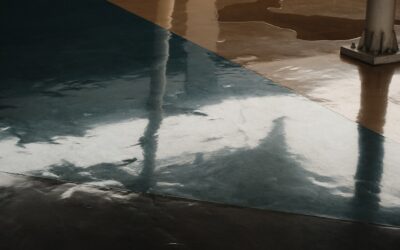
Hardwood’s long life comes with maintenance obligations. It is sensitive to moisture, so it is a poor choice for bathrooms, full basements, and homes in very humid climates without climate control. Standing water, leaks, and pet accidents can warp and stain it permanently if not addressed fast.
It also costs more upfront than vinyl or laminate, and refinishing every decade or so is an added expense and disruption. Soft species dent under heavy furniture and pet claws, and direct sunlight can fade or darken the finish unevenly over time.
- Vulnerable to moisture and standing water
- Higher upfront cost than vinyl or laminate
- Periodic refinishing adds cost and disruption
- Softer species scratch and dent more easily
How to Buy Hardwood That Lasts
For Maximum Lifespan
- Choose solid 3/4 inch hardwood where moisture allows
- Pick a harder species like oak, maple, or hickory
- For engineered, demand a 2 mm or thicker veneer
- Insist on a durable, factory-applied polyurethane or aluminum-oxide finish
Care That Adds Decades
Keep indoor humidity between 35 and 55 percent year-round, ideally with a humidifier in winter. Sweep regularly, clean with a hardwood-specific cleaner rather than water, use felt pads under furniture, and place mats at entryways to trap grit. Refinish at the first signs of widespread finish wear, before the bare wood is exposed.
Signs Your Hardwood Needs Attention
Catching wear early is the key to maximizing a hardwood floor’s lifespan. The first sign is a dulling, scuffed finish in traffic paths, the finish is wearing thin and needs a recoat before the bare wood is exposed. A light buff-and-recoat every few years is far cheaper than a full sand-and-refinish, and it dramatically extends the floor’s life.
Other warning signs include water stains, gray or black discoloration (which means moisture has reached the wood), cupping or crowning from humidity problems, and gaps that open and close with the seasons. Address moisture issues immediately, since trapped water is the fastest way to permanently ruin an otherwise century-capable floor.
- Dull, scuffed finish: Recoat before bare wood shows
- Gray or black spots: Moisture has penetrated, act fast
- Cupping or crowning: Fix humidity before refinishing
- Seasonal gaps: Stabilize indoor humidity year-round
Solid vs Engineered: Which Lasts Longer for You?
The longevity winner depends on your home. In a dry, climate-controlled main floor, solid hardwood is the clear long-term champion, capable of lasting a century with refinishing. But in a basement, over concrete, or in a very humid region, engineered hardwood’s stability often makes it the floor that actually survives, because solid wood may cup and warp in those conditions.
Choose solid wood where conditions are stable and you want maximum lifespan and resale value. Choose thick-veneer engineered wood where moisture and humidity would threaten solid planks. The right match for your environment lasts longer than the theoretically superior product installed in the wrong place.
The Bottom Line
So, how long does hardwood flooring last? Solid hardwood can realistically last 50 to 100 years or more with periodic refinishing, while engineered hardwood lasts 20 to 40 years depending on veneer thickness. The deciding factors are construction, humidity control, and maintenance. Buy solid wood or a thick-veneer engineered product, keep humidity stable, and refinish on schedule, and your floor may well outlast you. Confirm species hardness and finish warranties with the manufacturer before buying.
Prefer to explore on your own?
See how new flooring looks in your actual room in seconds — free, no signup.
Try the free Floor Studio →