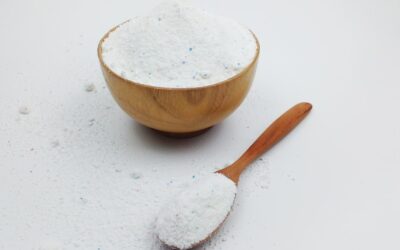
Borax has been a laundry-room staple for generations, and people swear by it for brighter whites and fresher loads, but the most common question is also the most practical: exactly how much should you use? The short answer to how much borax to add to laundry is about half a cup per regular load, used as a booster alongside your normal detergent, not as a replacement for it. From there, you adjust for load size and water hardness. Used correctly and stored safely, borax is an inexpensive way to get more out of every wash.
The Standard Amount: About Half a Cup
For a standard, average-size load in a conventional washer, add roughly 1/2 cup of borax along with your usual amount of detergent. This is the amount most boxes recommend, and it is enough to boost cleaning power and freshness without overdoing it. Borax is a laundry booster, meaning it enhances your detergent rather than working alone, so keep using your normal detergent dose as well.
Add the borax to the wash water at the start of the cycle and let it dissolve before, or as, you add clothes.
Adjusting for Load Size
The half-cup figure assumes a normal load. Scale it to what you are actually washing:
- Small load: Use a bit less, around 1/4 cup.
- Regular load: The standard 1/2 cup.
- Large or heavily soiled load: You can use up to about 1/2 cup, but avoid the temptation to dump in extra. More borax does not mean cleaner clothes and can leave residue.
Consistency matters more than maxing out the dose. A measured half cup per regular load gives reliable results.
Hard Water Changes the Math
Water hardness has a big effect on how well any detergent works, and borax helps here specifically. In hard water, dissolved minerals interfere with detergent, leaving clothes dingy and stiff. Borax acts as a water softener that lets your detergent lather and clean more effectively. If you have hard water, the standard 1/2 cup is well worth adding to every load, and you may notice softer, brighter results almost immediately.
In very soft water, you can use slightly less, since the softening benefit is less needed. Let your results guide you, if clothes feel stiff or look dull, borax in hard water is likely the fix.
How to Add Borax Correctly
For the best results, dissolve the borax so it works evenly:
- Start filling the washer with warm or hot water if the fabric allows.
- Add 1/2 cup of borax and let it dissolve in the water.
- Add your normal detergent.
- Add the clothes and run the cycle.
For front-loading or high-efficiency machines that use less water, dissolve the borax in a cup of warm water first, then add the solution, since undissolved powder can be a problem in low-water machines. Check your washer’s manual before using additives in an HE machine.
What Borax Does in the Wash
Borax earns its place by doing several things at once. It softens hard water so detergent works better, helps lift stains and brighten whites, neutralizes odors for fresher-smelling laundry, and can boost the cleaning power of an otherwise ordinary detergent. It is not a stain remover on its own for tough spots, treat those directly, but as a general booster it makes a noticeable difference, especially in hard-water homes.
Important Safety Notes
Borax is a useful household product, but it must be handled responsibly. Keep these precautions in mind:
- Keep it away from children and pets. Store the box up high and sealed; borax can be harmful if swallowed.
- Avoid skin and eye contact. It can irritate; rinse if it gets on your skin and wash hands after handling.
- Do not inhale the powder. Pour carefully to avoid kicking up dust.
- It is not the same as boric acid. Use it only as directed for laundry and cleaning, not as a food additive.
Used as a laundry additive and stored safely out of reach, borax is a low-cost, effective helper for everyday washing.
Borax for Specific Laundry Problems
Beyond general boosting, borax helps with several common laundry headaches. For dingy whites that have grayed over time, the standard half cup with your detergent helps brighten them back up, especially in hard water. For musty towels or workout clothes that hold odor even after washing, borax neutralizes the smell better than detergent alone. For stiff, scratchy laundry caused by mineral buildup, its water-softening action leaves fabrics noticeably softer. And for stained kids’ clothes and grimy work garments, adding borax to a warm-water wash boosts your detergent’s stain-lifting power. It is not a miracle cure, but as an all-purpose helper it earns its spot in the laundry room.
Borax vs. Washing Soda and Other Boosters
Borax is often confused with washing soda, and they are not the same. Washing soda (sodium carbonate) is more alkaline and a stronger cleaning booster, but it is also harsher and can be tough on delicate fabrics and skin. Borax (sodium borate) is gentler, softens water effectively, and deodorizes, making it a milder everyday booster. Oxygen bleach is a different tool again, best for brightening and stain removal rather than water softening. Many people keep more than one on hand: borax as a general softener and freshener, washing soda for heavy-duty cleaning, and oxygen bleach for stains. Use the right one for the job rather than assuming they are interchangeable.
When to Skip It
Borax is not always necessary. If you have very soft water and your detergent already cleans well, you may not see much benefit. Always check garment care labels, delicate fabrics like silk and wool, and some specialty performance fabrics, may not tolerate additives well, so test or skip borax for those. For everyday cottons, linens, towels, and whites, it is a reliable boost.
The Bottom Line
How much borax to add to laundry comes down to a simple rule: about 1/2 cup per regular load, used alongside your normal detergent, with a little less for small loads and the full amount for hard water. Dissolve it well, especially in HE machines, and store it safely away from kids and pets. As an affordable booster, borax softens water, brightens whites, and freshens loads, getting more cleaning power out of the detergent you already use.