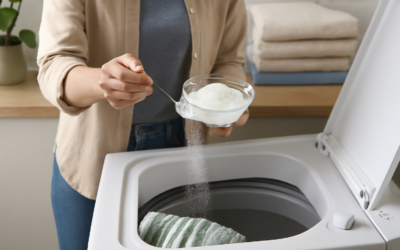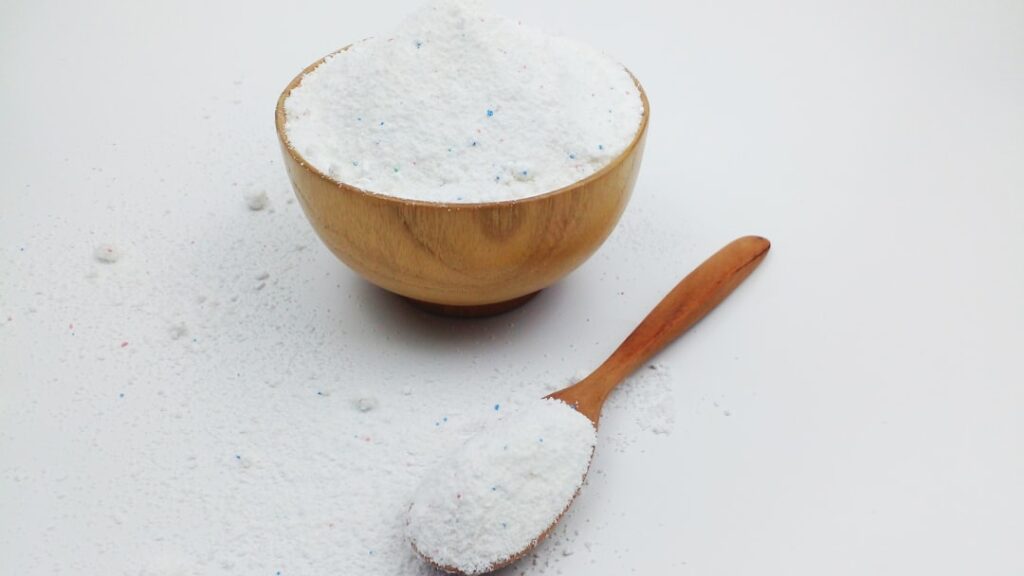
If you are wondering how much baking soda for laundry you should add, the simple answer is half a cup per regular load as a detergent booster, and up to one full cup for heavily soiled or strong-smelling loads. That modest amount is enough to soften water, neutralize odors, and help your detergent clean more effectively, all for just a few cents per wash. Baking soda is one of the most cost-effective laundry helpers available, and getting the dose right is the key to results without leaving any powdery residue behind.
At D and G Flooring we field plenty of practical cleaning questions from homeowners, and laundry comes up constantly. This guide gives you exact amounts for every situation, the right timing, and the small details that make baking soda work its best.
The Standard Amount: Half a Cup
For a typical medium to large load in a standard washing machine, add half a cup of baking soda directly to the drum along with your normal amount of detergent. This is the workhorse dose that covers most everyday laundry. The baking soda boosts your detergent’s cleaning power, softens the wash water, and helps keep whites bright and colors fresh. Add it to the drum before you load clothes, or sprinkle it over the clothes once they are in, rather than putting it in the liquid detergent dispenser where it can clump.
How Much for Different Situations
The right amount shifts depending on what you are trying to accomplish:
- Regular load (booster): Half a cup added to the drum with detergent.
- Heavily soiled or smelly load: Up to one full cup for extra odor-fighting and cleaning power.
- Small load: Reduce to about a quarter cup so you do not over-apply.
- Pre-soak for tough odors: Dissolve one cup in a basin or tub of warm water and soak items for several hours before washing.
- High-efficiency (HE) machines: Stick with a half cup, since these machines use less water and too much powder can leave residue.
- Cleaning the washer itself: Run an empty hot cycle with one cup of baking soda to deodorize the drum.
When to Add Baking Soda During the Cycle
Timing matters more than people expect. The best practice is to add baking soda at the start of the wash cycle, directly into the drum, so it dissolves fully in the wash water and works alongside your detergent from the beginning. Adding it to the drum rather than the dispenser prevents clumping and clogs. If you are using it specifically for fabric softening, some people prefer adding it during the rinse cycle, though adding it at the start works well for most purposes. Always make sure it dissolves rather than sitting as dry powder against dark fabrics, where it can leave white streaks.
Can You Use Too Much?
Yes, and it is the most common mistake. Using more than a cup per load does not make clothes cleaner; it just increases the chance of leaving a chalky white residue on fabrics, especially darks, and can build up inside your machine over time. More is not better. Stick to the half-cup standard for most loads and reserve the full cup for genuinely dirty or odorous items. If you ever notice residue on your clothes, you are using too much or it is not dissolving properly, so cut back and make sure it goes into the water, not directly onto dry fabric.
Pairing Baking Soda with Other Ingredients
Baking Soda and Detergent
This is the classic combination. The baking soda softens water so your detergent lathers and cleans better, often letting you use slightly less soap. Add both at the start of the cycle.
Baking Soda and Vinegar
These two are popular together but should be added at different stages, not mixed directly, because they neutralize each other. Add baking soda to the wash cycle and pour a half cup of white vinegar into the rinse cycle as a natural fabric softener and deodorizer. Used this way, they complement rather than cancel each other out.
Baking Soda for Stain Pretreatment
Make a paste of baking soda and a little water, rub it into a stain, let it sit for 15 to 30 minutes, then wash as normal. This works well on grease and many organic stains.
Benefits of the Right Dose
- Odor elimination: Neutralizes sweat, smoke, mildew, and pet smells rather than masking them.
- Water softening: Helps detergent perform in hard water and leaves towels softer.
- Brighter whites: Boosts cleaning without harsh bleach on every load.
- Gentler on fabrics: A mild, natural alternative to some chemical additives.
- Septic and eco-friendly: Safe for septic systems and gentle on the environment.
Fabric and Machine Considerations
Baking soda is safe for most washable fabrics and for both standard and HE machines when used in the right amount. Be cautious with wool and silk, where the alkalinity can affect delicate protein fibers, and always check care labels. For HE machines, the half-cup guideline is important because their low water volume makes over-application more likely to leave residue. Store your baking soda in a sealed container so it stays dry and dissolves cleanly.
Common Mistakes to Avoid
- Using more than a cup per load and ending up with chalky residue.
- Adding it to the liquid detergent dispenser, where it clumps and clogs.
- Mixing baking soda and vinegar together directly instead of at separate stages.
- Sprinkling it on dry darks without dissolving it, leaving white streaks.
- Expecting it to replace detergent entirely; it is a booster, not a standalone soap.
Final Thoughts
So how much baking soda for laundry is right? Half a cup per standard load as a booster, up to a full cup for tough odors, and a quarter cup for small loads. Add it to the drum at the start of the cycle, keep it separate from vinegar by stage, and never overdo it. With the correct dose you get fresher, brighter, softer laundry while spending only pennies, making baking soda one of the smartest and simplest upgrades to your laundry routine.