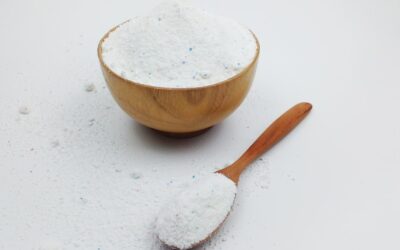
If you have a box of baking soda in the fridge and a load of gym clothes that never quite smell clean, you are one step from solving the problem. The short answer to “can I add baking soda to laundry” is yes, absolutely, and it is one of the cheapest, safest laundry upgrades available. Baking soda boosts your detergent, softens hard water, neutralizes odors, and helps whites stay bright, all for a few cents per load. The trick is knowing how much to use, where to add it, and which fabrics to avoid. Here is the complete rundown.
What Baking Soda Actually Does in the Wash
Sodium bicarbonate, plain baking soda, is a mild alkali, and that chemistry is why it works. It has four main effects in a laundry load:
- Balances pH, which helps detergent work more effectively so you get more cleaning power from the same scoop.
- Softens water, reducing the mineral interference that makes detergent less effective in hard-water homes.
- Neutralizes odors rather than masking them, tackling sweat, smoke, and musty smells at the source.
- Brightens whites and colors by helping suspend dirt so it rinses away instead of redepositing.
How Much to Use
The standard dose is 1/2 cup of baking soda per regular load, added along with your normal detergent. For heavily soiled or especially smelly loads, you can bump it to a full cup. There is no need to reduce your detergent; the baking soda is a booster, not a replacement. For high-efficiency (HE) machines that use less water, stick closer to the 1/2 cup so it dissolves fully.
Where to Add It
Placement matters a little depending on your machine:
- Top loader: sprinkle the baking soda directly into the drum with the clothes as the tub fills, so it dissolves in the wash water.
- Front loader: add it directly into the drum on top of the clothes before starting, not into the detergent drawer, where it can clump.
- Add your detergent as usual in its normal spot.
Adding it to the drum rather than a dispenser ensures it dissolves and circulates instead of caking in a tray.
The Best Uses for Baking Soda Laundry
It shines in specific situations more than others:
- Odor removal: gym clothes, towels that smell mildewed, and pet bedding all benefit. For extreme odors, presoak in a baking soda and water solution before washing.
- Hard-water homes: if your detergent seems to underperform, baking soda restores its cleaning ability.
- Whitening whites: it brightens without the harshness of bleach and can be used alongside it.
- Gentle stain help: a baking soda paste dabbed on grease or underarm stains before washing lifts them.
Baking Soda and Vinegar: A Powerful Pair
Many people use baking soda in the wash cycle and add half a cup of white vinegar to the rinse cycle, where it acts as a natural fabric softener and helps remove any leftover detergent residue. The key is to keep them separate, baking soda in the wash and vinegar in the rinse, because combining them directly just neutralizes both into salty water. Used at different stages, they complement each other beautifully and can replace commercial softener entirely.
What to Avoid
Baking soda is gentle, but a few cautions apply:
- Do not overload the dose; more than a cup will not clean better and can leave a powdery residue on dark fabrics.
- Be cautious with certain delicate or specialty fabrics, and skip it on items whose care labels warn against alkaline cleaners, such as some wool and silk.
- Make sure it dissolves fully in cold-water washes; a quick stir or adding it as the water fills helps.
- Do not confuse it with washing soda (sodium carbonate), which is stronger and more caustic, though also usable in laundry with more care.
Cost and Convenience
A large box of baking soda costs just a few dollars and handles dozens of loads at roughly a nickel each, far cheaper than dedicated odor-removing additives or fabric softeners. It is also a single, non-toxic product that replaces several specialty items, which appeals to anyone reducing the chemicals in their home. Keep a box on the laundry shelf and it earns its place quickly.
Baking Soda vs. Washing Soda and Other Boosters
Once you start boosting your laundry, it is worth knowing how baking soda stacks up against the alternatives so you reach for the right one. Baking soda, sodium bicarbonate, is the gentle, everyday option: safe for nearly all fabrics and colors, great for odor and mild brightening, but relatively mild in raw cleaning power. Washing soda, sodium carbonate, is its stronger chemical cousin with a much higher pH; it cuts grease and heavy soil far more aggressively and is a favorite for homemade detergent, but it is caustic enough to irritate skin and can be too harsh for delicate fabrics, so it demands gloves and more caution. Borax is a third booster that softens water and fights stains, sitting somewhere between the two in strength.
For most households, plain baking soda handles the routine jobs, and you only step up to washing soda or borax for genuinely grimy loads like grease-stained work clothes. You can also combine baking soda with oxygen bleach, the color-safe kind, for a powerful, gentle brightening boost on whites and light colors without the harshness of chlorine bleach. Where baking soda truly earns its keep is as the low-cost, low-risk multitasker: it will not damage anything, it deodorizes better than most boosters, and it quietly makes whatever detergent you already use work better, especially if you have hard water.
Real-World Situations Where It Shines
To make this concrete, picture a few common laundry headaches. Musty towels that never feel fresh out of the dryer usually suffer from detergent and softener buildup that traps moisture and mildew; a hot wash with a full cup of baking soda and a vinegar rinse strips that buildup and restores absorbency. Teenage sports gear reeking of sweat responds to a presoak in a baking soda solution before the regular wash, because the alkaline bath neutralizes the acids in dried sweat. Cloth diapers, gym bags, and pet bedding all benefit the same way. In each case, baking soda is doing the same simple job, which is neutralizing odor at the source and helping the detergent lift away the residue that ordinary washing leaves behind.
The Bottom Line
So, can I add baking soda to laundry? Yes, and you should. Half a cup per load, added directly to the drum alongside your regular detergent, boosts cleaning power, softens hard water, and neutralizes the odors detergent alone leaves behind. Pair it with a splash of white vinegar in the rinse for natural softening, respect the few delicate-fabric exceptions, and you have a laundry upgrade that costs pennies and genuinely works.