The pairing of lemon juice and baking soda powers half the cleaning tutorials on the internet, and most of them get the chemistry wrong. When you combine the two, you immediately neutralize them into salt water and carbon dioxide, which fizzes impressively and cleans almost nothing. Lemon juice and baking soda cleaning only works when you use them in sequence, not together, and when you understand which surfaces tolerate the pH swings. Used the right way, the combination handles a surprising range of household jobs cheaper than name-brand cleaners.
The Chemistry in Plain English
Lemon juice contains about 5 to 6 percent citric acid with a pH of around 2.2, which makes it strongly acidic. Baking soda is sodium bicarbonate with a pH of about 8.4, mildly basic. Mix them in water and the acid neutralizes the base, leaving sodium citrate (salt) and carbon dioxide bubbles. The fizz looks like cleaning power but is actually the chemicals canceling each other out. The trick is to use lemon juice as an acidic cleaner first, rinse, then use baking soda as an abrasive or mild base cleaner second, or vice versa.
Used in sequence, each handles different soils: acid for mineral deposits and rust, base for grease and odor.


What Lemon Juice Actually Cleans
Citric acid dissolves calcium carbonate, which means lemon juice is genuinely effective on hard water stains, soap scum, faucet scale, and copper tarnish. Apply full-strength lemon juice to a microfiber cloth and wipe chrome fixtures to remove water spots. For coffee maker descaling, run a 50/50 mixture of lemon juice and water through the brew cycle, then run two cycles of plain water to rinse. For a cutting board, rub a lemon half across the wood once a month to brighten and lightly deodorize. Skip lemon on marble, granite, travertine, or any natural stone; the acid etches the surface within minutes.
What Baking Soda Actually Cleans
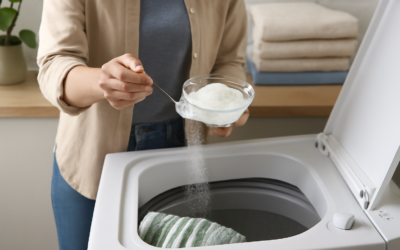
Sodium bicarbonate is a mild abrasive (Mohs hardness 2.5) and a deodorizer. As a paste mixed 3:1 with water, it scrubs cooked-on food from pots, scuffs from white sneakers, and grout grime without scratching most surfaces. As a dry powder sprinkled on carpet, it absorbs odors for 30 minutes before vacuuming. Add a half cup to laundry to brighten whites and reduce odor. Pour a cup down a smelly drain followed by a kettle of hot water as a weekly maintenance step.
Skip baking soda on aluminum cookware. It can discolor anodized surfaces over repeated use.
Surfaces to Avoid Entirely
Natural stone (marble, limestone, travertine, slate), unsealed grout, brass that has been lacquered, and wood floors with a polyurethane finish all suffer from acid contact. Even diluted lemon juice etches marble with a single application; commercial marble polishing services charge $200 to $500 per countertop to remove etch damage. For these surfaces, switch to pH-neutral cleaners like Method All-Purpose ($4 per bottle) or Bona Stone & Tile Floor Cleaner ($10 per quart).
The Drain Cleaning Sequence
The internet’s favorite drain trick is to pour baking soda followed by vinegar, but this is mostly theater. The fizz is impressive and the actual cleaning power is minimal because the products neutralize each other before they have time to attack the buildup. A better drain sequence: pour a kettle of near-boiling water down the drain, then 1 cup of baking soda, let it sit 10 minutes, then flush with another kettle of boiling water. The base raises the drain pH and helps emulsify grease without wasting the acid component.
For real biofilm and slime in a drain, an enzyme product like Forid Drain Gel or Bio-Clean works far better than DIY mixtures.
Cleaning a Stovetop
Sprinkle baking soda generously across a glass or enamel stovetop, mist with water from a spray bottle until you have a slurry, then let sit 15 minutes. The base loosens cooked-on food and the mild abrasive lifts it. Wipe with a damp microfiber cloth, then go over the surface with a lemon-juice-and-water mix at 1:4 ratio to brighten any remaining residue and leave a fresh scent. Buff dry. This sequence beats Bar Keepers Friend ($4 per can) for routine cleaning and matches it for stuck-on messes.
Toilet Bowl Routine
Pour 1 cup of baking soda into the bowl, let sit 15 minutes, then scrub with a brush. Follow with a half cup of lemon juice and a 5-minute soak before flushing. The two-stage approach handles both organic film and mineral deposits without the harsh chemistry of chlorine bleach. For heavy hard-water rings, full-strength lemon juice applied with a paper towel against the stain for 30 minutes will dissolve calcium scale that bleach cannot touch. Pumice stones from Pumie ($3) finish the job on stubborn rings.
Surfaces Where the Combination Really Shines
Stainless steel sinks, glass shower doors, and tile floors are the three best targets for sequential lemon and baking soda cleaning. Spray hard water spots on glass with lemon juice, let sit 5 minutes, scrub with a baking soda paste on a microfiber cloth, rinse, and buff dry with a separate microfiber. Tile floors benefit from a baking soda paste in grout lines followed by a lemon-water mop. Stainless sinks brighten with a baking soda scrub followed by a lemon-rind rub along the bowl.
Cost and Convenience Reality
A 16 oz bottle of lemon juice runs $3 at any grocery store; a 4 lb box of Arm & Hammer baking soda costs $4. Together they handle most kitchen and bathroom cleaning for about a penny per use. Compare that to Mr Clean Magic Eraser at $1.50 each, Bar Keepers Friend at $4 per can, or commercial multi-surface sprays at $5 to $8 per bottle. For non-stone surfaces and routine cleaning, lemon juice and baking soda cleaning is hard to beat once you understand the chemistry and stop mixing them in the same bowl.
Frequently Asked Questions
Can you clean floors with lemon juice?
Yes, on sealed ceramic, porcelain and vinyl floors, but only diluted. About half a cup of lemon juice in a gallon of warm water cuts light film and leaves a fresh scent. Never use it on marble, travertine, limestone or other natural stone, which it etches, and avoid it on finished hardwood, where repeated acid contact dulls the coating. Rinse sticky residue with plain water.
Do lemon juice and baking soda remove rust stains?
Lemon juice handles light rust and the orange water stains iron leaves on tubs and sinks. Soak the stain with lemon juice for 20 to 30 minutes, then scrub with a baking soda paste on a soft cloth and rinse, using them one after the other rather than mixed. Deep or old rust stains usually need a dedicated rust remover. Skip both on natural stone.
Should you add vinegar to lemon juice and baking soda?
No. Vinegar and lemon juice are both acids, so adding vinegar to baking soda just neutralizes it the same way lemon juice does, leaving salty water and fizz. The mix is not dangerous, just weak. Use one acid (lemon juice or vinegar) for mineral deposits, rinse, then baking soda for scrubbing, and never combine any of them with bleach.