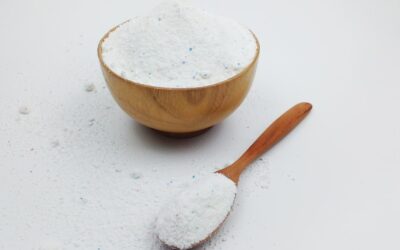
That $1 box of baking soda sitting in your pantry is one of the most underrated laundry boosters available. Using baking soda in laundry neutralizes odors, softens water, brightens whites, and enhances your detergent’s cleaning power — all without the synthetic chemicals found in commercial laundry additives. It has been a household staple for over a century, and the chemistry behind why it works is surprisingly straightforward.
Why Baking Soda Works in Laundry
Baking soda (sodium bicarbonate) has a pH of about 8.3, making it a mild alkaline compound. When added to wash water, it raises the pH slightly, which helps detergent molecules work more efficiently at breaking bonds between dirt, oils, and fabric fibers. Think of it as giving your regular detergent a performance boost rather than replacing it entirely.
The odor-neutralizing effect comes from baking soda’s ability to react with both acidic and basic odor molecules. Unlike fabric softeners that mask smells with fragrance, baking soda chemically neutralizes them. This is particularly effective against sweat odors (acidic) and mildew smells (organic acids) that cling to gym clothes, towels, and items left damp too long.
How Much to Add Per Load
Getting the dosage right ensures you get results without leaving residue on your clothes. For a standard top-loading washer, add 1/2 cup of baking soda directly to the drum before adding clothes. For HE front-loading machines, use 1/4 cup — these machines use less water, so you need less product.
Add baking soda directly to the drum, not the detergent dispenser. The dispenser releases product at specific cycle points, and baking soda works best when dissolved in the main wash water from the start. Pour it in first, add your clothes on top, then add your regular detergent to the dispenser as usual.
For heavily soiled or especially smelly loads, you can increase to 1 cup for top-loaders or 1/2 cup for front-loaders without any risk of damage. Unlike bleach or harsh chemicals, baking soda is gentle enough that going slightly over the recommended amount causes no problems.
Brighten Whites Without Bleach
Chlorine bleach whitens effectively but weakens fabric fibers over time and can yellow synthetic materials. Baking soda offers a gentler alternative. The mild alkalinity helps lift the body oils and environmental grime that cause white fabrics to look dingy, restoring brightness without the fiber damage.
For best results on whites, combine 1/2 cup baking soda with your regular detergent and wash in the warmest water the fabric allows. For stubborn yellowing on cotton items like white t-shirts or pillowcases, soak them in a solution of 1 cup baking soda dissolved in a gallon of warm water for 1-2 hours before washing. This pre-soak treatment often restores whites that have gradually dulled over months of regular washing.
Remove Stubborn Odors
Gym clothes, kitchen towels, and pet bedding develop persistent odors that regular detergent alone often fails to eliminate. Baking soda excels here because it attacks the odor molecules directly rather than covering them up.
For mildew-smelling towels, run a hot wash cycle with 1 cup of baking soda and no detergent. Follow it with a second hot wash using 1 cup of white vinegar and no detergent. This two-step process strips the biofilm buildup that harbors bacteria and causes that musty towel smell. Dry immediately on high heat afterward.
Smoke-damaged clothing responds well to an overnight soak in cold water with 2 cups of baking soda. After soaking, wash normally with detergent and an additional 1/2 cup of baking soda. You may need to repeat the process 2-3 times for heavy smoke exposure, but it works on most washable fabrics without the damage that ozone treatment can cause.
Use as a Natural Fabric Softener
Commercial fabric softeners coat fibers with a thin layer of lubricant that makes them feel softer. The downside is that this coating builds up over time, reducing towel absorbency and trapping odors in synthetic fabrics. Baking soda softens clothes through a completely different mechanism — by neutralizing mineral deposits from hard water that make fabrics stiff.
If your home has hard water (above 120 ppm), you will notice the biggest difference. Add 1/2 cup of baking soda to each load, and fabrics come out noticeably softer without any coating. Towels stay absorbent, athletic wear continues to wick moisture properly, and you avoid the waxy buildup that plagues fabric softener users.
Fabrics to Avoid
While baking soda is safe for most washable fabrics, there are a few exceptions. Silk and wool are protein-based fibers that can be damaged by alkaline substances, even mild ones like baking soda. The raised pH can break down the fiber structure, causing dullness in silk and felting in wool.
Avoid using baking soda on garments with special finishes like water-repellent coatings (DWR-treated jackets) or flame-retardant children’s sleepwear. The alkalinity can degrade these treatments over time. For these items, use only the specific cleaning products recommended on the care label.
Baking Soda vs Common Laundry Additives
How does baking soda stack up against the commercial products marketed for the same purposes?
- Baking soda vs OxiClean: OxiClean (sodium percarbonate) is a stronger oxidizing agent better suited for stain removal. Baking soda is better for odor control and water softening. They can be used together safely
- Baking soda vs borax: Borax has a higher pH (9.5 vs 8.3) and stronger cleaning action. Baking soda is gentler and better for sensitive skin. Both soften water effectively
- Baking soda vs washing soda: Washing soda (sodium carbonate, pH 11) is significantly more alkaline and a more powerful cleaner. Baking soda is milder and safer for a wider range of fabrics
- Baking soda vs white vinegar: Vinegar (acidic) and baking soda (alkaline) serve different purposes. Never add them simultaneously — they neutralize each other. Use baking soda in the wash cycle and vinegar in the rinse cycle
Practical Tips for Best Results
Buy baking soda in bulk for laundry use. A 13.5-pound bag from warehouse stores costs about $7, versus $1 per pound in small boxes. At 1/2 cup per load, the bulk bag handles roughly 100 loads — about $0.07 per load compared to $0.30-$0.50 for commercial laundry boosters.
Store bulk baking soda in an airtight container. Exposure to moisture causes clumping and reduces effectiveness. A 5-gallon bucket with a gamma seal lid works perfectly and fits under most laundry room shelves. Keep a 1/2-cup measuring scoop inside for convenience.
For front-loading washers prone to mildew smells, run an empty hot cycle with 1 cup of baking soda monthly. This cleans the drum interior, gasket area, and drain lines where biofilm accumulates. It is the cheapest and most effective washing machine maintenance step you can take, and it prevents the transfer of musty odors to your clean laundry.