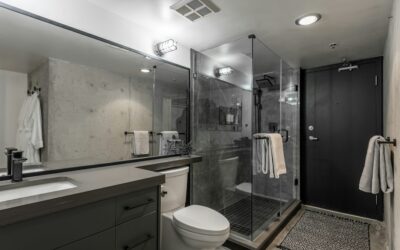
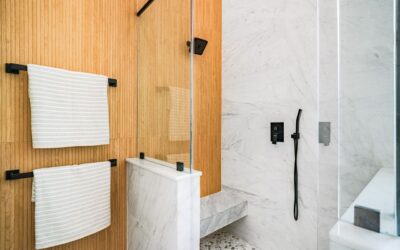
If you’re wondering how much does a shower remodel cost, the honest answer is that most homeowners spend between $3,000 and $12,000, with the national average landing around $7,000. The wide range reflects everything from a simple prefab surround swap to a fully custom tiled walk-in shower with a glass enclosure and body sprays. This guide breaks the numbers down by project type, material, and labor so you can build a realistic budget before you call a contractor.
Part of our Bathroom Remodeling & Flooring guide — explore the full guide →
- Average Shower Remodel Cost by Type
- Where the Money Goes: Cost Breakdown
- Tile vs. Prefab Surround
- Material Costs Per Square Foot
- Factors That Push Costs Up
- Labor Costs and Timeline
- How to Save on a Shower Remodel
- Does a Shower Remodel Add Value?
- Tub-to-Shower Conversion Costs
- Getting Accurate Quotes
- DIY vs. Hiring a Contractor
- Fixtures and Features That Affect Price
- Budgeting Your Shower Remodel
- Shower Reno Cost by Scope of Work
Average Shower Remodel Cost by Type
The single biggest driver of price is the type of shower you install:
- Prefab acrylic/fiberglass surround swap: $1,500–$4,000. The most affordable route—remove the old unit and drop in a new molded surround.
- Tile shower over standard footprint: $4,500–$9,000. Custom tile walls, waterproofing, and a new pan.
- Walk-in / curbless custom shower: $6,000–$15,000. Larger footprint, glass enclosure, and often a linear drain.
- Luxury spa shower: $12,000–$25,000+. Multiple shower heads, bench, niche, premium stone, and frameless glass.
Where the Money Goes: Cost Breakdown
Understanding the components helps you see where to save or splurge:
- Labor: typically 40–65% of the total. Tile setting, plumbing, and waterproofing are skilled trades.
- Tile and materials: $1,000–$4,000 depending on choice.
- Shower pan or base: $200 (prefab) to $1,500 (custom mortar bed).
- Glass enclosure: $500–$1,500 semi-frameless; $1,000–$3,500 frameless.
- Fixtures (valve, head, trim): $200–$1,500.
- Plumbing and waterproofing: $500–$2,500 if lines are moved or a modern membrane is installed.
Tile vs. Prefab Surround
This choice alone can swing your budget by thousands:
- Prefab surrounds are fast (often a one- to two-day install), watertight out of the box, and cheap—but limited in style.
- Tile offers endless design options and adds more resale value, but requires proper waterproofing (a membrane like Schluter-KERDI), skilled labor, and 3–5 days of work.
A mid-grade ceramic tile shower usually runs $2,000–$4,000 more than a comparable acrylic surround once labor is included.
Material Costs Per Square Foot
Tile choice has a big impact on the bottom line:
- Ceramic tile: $2–$8 per square foot.
- Porcelain tile: $3–$12 per square foot.
- Natural stone (marble, travertine): $7–$25 per square foot, plus sealing costs.
- Glass mosaic accents: $10–$40 per square foot.
- Large-format porcelain slabs: $15–$30 per square foot but fewer grout lines to clean.
Factors That Push Costs Up
Several situations add to the final bill:
- Moving plumbing to relocate the shower or add body sprays.
- Hidden water damage or mold discovered once the old shower comes out—budget a 10–20% contingency.
- Converting a tub to a walk-in shower, which involves demolition and drain changes.
- Curbless entry, which requires recessing the drain and sloping the subfloor.
- Frameless glass and premium fixtures from brands like Kohler or Delta’s higher lines.
- Permits, typically $50–$500 depending on your city.
Labor Costs and Timeline
Labor is the largest slice of most shower remodels. Tile setters charge $40–$120 per hour, and a full custom tile shower can take 30–50 labor hours across several trades. Expect a typical project timeline of:
- Prefab surround: 1–3 days.
- Standard tile shower: 4–7 days including cure time for waterproofing and grout.
- Full custom walk-in: 1–2 weeks.
Waterproofing membranes and thin-set mortar need proper cure time, so rushing a tile job is a recipe for leaks.
How to Save on a Shower Remodel
You can trim costs without cutting corners on the parts that matter:
- Keep the existing footprint so plumbing stays put—moving drains is expensive.
- Choose porcelain over natural stone for a similar look with less maintenance and cost.
- Use large-format tile to cut labor hours and grout maintenance.
- Reuse the existing valve if it’s in good shape.
- Do your own demolition if you’re handy, but leave waterproofing and plumbing to pros.
- Mix a prefab base with tile walls for a hybrid that saves on the trickiest part—the pan.
Does a Shower Remodel Add Value?
Bathroom updates consistently rank among the better home-improvement investments. A midrange bathroom remodel typically recoups 60–70% of its cost at resale, and an updated, clean, leak-free shower is a major selling point for buyers. Even a modest surround swap that eliminates dated tile and mildew improves both daily enjoyment and marketability. The key is not to over-improve for your neighborhood—a $25,000 spa shower in a modest home won’t return its cost.
Tub-to-Shower Conversion Costs
One of the most popular remodels is converting an unused bathtub into a walk-in shower, especially in homes where an aging owner wants easier access. This project carries its own cost range because it involves removing the tub, adjusting the drain, and waterproofing a larger wet area:
- Basic tub-to-shower conversion: $3,000–$7,000 with a prefab base and surround.
- Custom tiled walk-in conversion: $6,000–$12,000.
- Curbless, accessible conversion with grab bars and a bench: $8,000–$15,000.
The drain must move from the tub’s end position to the shower’s center or a linear location, which is the main added expense. Many buyers find a single well-designed walk-in shower more appealing than a rarely used tub, though keeping at least one bathtub in the home helps resale to families.
Getting Accurate Quotes
The published averages are a starting point, but your real cost depends on your specific bathroom, so getting solid quotes matters. To compare bids fairly:
- Get at least three itemized estimates that break out labor, materials, fixtures, and demolition separately.
- Confirm the contractor is licensed and insured, and ask about their waterproofing method.
- Ask what’s included—niche, bench, glass, and fixtures are often extras that inflate a low base bid.
- Clarify the contingency for hidden damage, which is common once the old shower comes out.
- Verify who pulls the permit and whether inspection fees are in the quote.
The lowest bid isn’t always the best value; a slightly higher quote that includes proper waterproofing and a realistic contingency often saves money by avoiding leaks and change orders later.
DIY vs. Hiring a Contractor
How much of the work you take on yourself is one of the biggest cost levers in a shower remodel. Labor is the largest expense, so doing parts of the job can save real money—but only if you know your limits. A sensible split for most homeowners:
- Good DIY tasks: demolition of the old shower, hauling debris, painting, and installing accessories like a shower rod or shelves.
- Leave to pros: plumbing changes, waterproofing membranes, tile setting on a shower pan, and electrical work.
- The riskiest to DIY: waterproofing—a single mistake here leads to hidden leaks, rot, and mold that cost far more than you saved.
A hybrid approach where you handle demolition and finish work while a licensed pro does the wet-critical steps often delivers the best balance of savings and reliability. Be honest about your skill level; a botched tile job or a leaking pan can turn a budget remodel into an expensive repair.
Fixtures and Features That Affect Price
The fixtures and add-ons you choose can quietly add hundreds or thousands to a shower remodel, so it helps to know where the money goes. Common upgrades and their rough costs:
- Rain shower head: $100–$500, more for ceiling-mounted models needing rough-in changes.
- Handheld sprayer on a slide bar: $50–$250.
- Thermostatic or pressure-balancing valve: $150–$600, worth it for scald protection.
- Body sprays and multiple heads: $500–$2,000 including the extra plumbing and larger valve.
- Built-in niche: $150–$400 for a recessed shelf.
- Bench or seat: $200–$800.
- Linear drain for curbless designs: $300–$900.
Choosing quality fixtures from reliable brands like Delta, Moen, or Kohler costs a bit more upfront but pays off in durability and easier future parts replacement. Prioritize the valve and waterproofing—the parts hidden in the wall—over showy finishes that are easy to swap later.
Budgeting Your Shower Remodel
So how much does a shower remodel cost for your home? Plan for roughly $3,000–$5,000 for a straightforward prefab or basic tile update, $5,000–$9,000 for a quality custom tile shower, and $10,000 and up for a large walk-in with glass and premium finishes. Always add a 10–20% contingency for hidden damage, keep the plumbing in place if you can, and invest in proper waterproofing above all else. Get at least three itemized bids from licensed contractors, and you’ll walk into the project knowing exactly what your new shower will cost—and enjoy a leak-free, refreshed bathroom for years to come.
Shower Reno Cost by Scope of Work
A shower reno cost depends less on the shower’s size than on how deep the work goes: a cosmetic refresh can stay well under a thousand dollars, a surround swap usually lands at $1,500 to $4,000, and a full tear-out to the studs with new tile runs $4,500 to $9,000 or more. Deciding how far down to go, surface, surround or studs, sets the budget before any material is chosen.
Four Levels of Shower Renovation
| Scope | What it includes | Typical cost |
|---|---|---|
| Refresh | Regrout or grout colorant, new silicone, new trim kit and shower head, deep clean | A few hundred dollars to about $1,500 |
| Surround or base swap | Remove old unit, install new acrylic or fiberglass walls and base, reuse valve | $1,500 to $4,000 |
| Retile, same footprint | Demo to studs, new backer, waterproofing, pan, tile, often a new valve | $4,500 to $9,000 |
| Layout change or walk-in | Move drain or walls, enlarge footprint, glass enclosure, linear drain | $6,000 to $15,000 |
When a Refresh Is Enough
If the tile is sound, the shower does not leak, and there is no soft spot in the wall or floor, a refresh is the cheapest way to make an older shower look newer. Cleaning and recoloring grout, replacing yellowed caulk, and swapping the trim plate and head can change the look in a weekend. A refresh will not fix a failed pan or missing waterproofing, so check first: loose tiles, crumbling grout lines, and staining or soft drywall on the other side of the wall all point to water behind the tile.
The Cost Jump at the Studs
The biggest step in price comes when the walls come down. Once the shower is open, the job picks up demolition and disposal, new backer board, a waterproofing membrane, a new pan, and usually a new pressure-balancing or thermostatic valve, because replacing the valve is easiest while the wall is open. This is also the point where hidden rot or mold appears, which is why a 10 to 20 percent contingency belongs in any budget at this level.
Mixed Scopes That Save Money
- Keep the existing tile walls and replace only a cracked or leaking base with a new prefab pan, where the tile edge allows it.
- Pair a prefab base with new tile walls to avoid the cost of a custom mortar pan.
- Reuse a working valve body and change only the visible trim, if the trim kit is still made.
- Handle demolition yourself, but leave waterproofing, plumbing and tile on the pan to pros.