Ask three contractors for a roof-replacement quote and you can easily get numbers that differ by $10,000, which leaves most homeowners wondering who is fair and who is padding the bill. How much does replacing a roof cost depends on a handful of measurable factors, and once you understand them you can read any estimate and know whether it is reasonable. For a typical single-family home, a full asphalt roof replacement in 2024 to 2025 runs roughly $8,000 to $18,000, but the real range spans from about $5,000 for a small, simple roof to well over $50,000 for a large home in slate or metal.
Part of our Roofing guide — explore the full guide →
This guide breaks the price down by material, size, and region, and explains the line items that move the number so you can budget with confidence and spot an inflated quote.
How Much Does Replacing a Roof Cost by Material
Material is the single biggest driver when figuring out how much does replacing a roof cost. Roofers price by the “square,” which equals 100 square feet of roof surface. Here are typical installed costs per square in 2024 to 2025:
- Three-tab asphalt: $350 to $550 per square.
- Architectural asphalt: $450 to $750 per square.
- Metal (standing seam): $900 to $1,600 per square.
- Wood shakes: $800 to $1,400 per square.
- Slate: $1,500 to $3,000 per square.
- Clay or concrete tile: $1,000 to $2,000 per square.
A common 2,000-square-foot home has roughly 20 to 25 squares of roof once you account for pitch and overhangs. In architectural asphalt, that puts most homeowners in the $10,000 to $18,000 range; the same roof in slate could exceed $40,000.
Roof Size and Pitch
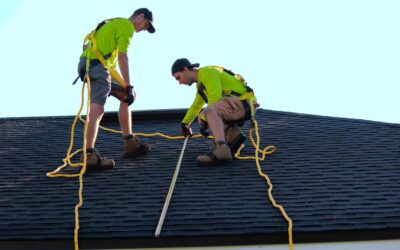
Bigger roofs cost more, obviously, but the relationship is not just floor area. A steep roof has more actual surface than its footprint suggests, and it is harder and slower to work on. Roofers add a “steep charge” for pitches over about 7:12 because crews must use harnesses, staging, and move more carefully.
Your roof’s footprint is not its roof area either. A 2,000-square-foot home might have 2,400 to 3,000 square feet of roof surface after accounting for slope and overhangs. Ask the contractor how many squares they measured, and be wary of a quote that seems to price only your floor area.
Tear-Off, Layers, and Decking
What is under the new shingles matters. If your old roof must be torn off and hauled away, expect to add roughly $1 to $2 per square foot for labor and dumpster fees. Some homes have two or even three layers of old shingles, and each extra layer adds tear-off time and disposal weight.
The other wildcard is the decking. If the crew pulls the old roof and finds rotted or soft plywood, it must be replaced before the new roof goes on, at roughly $2 to $4 per square foot for the sheathing. A good contractor includes a per-sheet allowance in the contract so you know the price if rot turns up; a vague quote that ignores this is where surprise change orders come from.
Labor, Region, and Complexity
Labor is often 40 to 60 percent of the total, and it varies sharply by region. The same asphalt roof costs far more in a high-cost metro like San Francisco or New York than in a small Midwestern town, simply because wages and permit fees differ. Expect coastal and Northeastern cities to run 20 to 40 percent above the national average.
Complexity adds up fast. Every valley, chimney, skylight, dormer, and vent needs flashing and careful detailing, and each one takes labor. A simple gable roof is cheap to do; a cut-up roof with multiple hips, valleys, and penetrations can add thousands. The more corners and transitions, the higher the bill.
The Line Items That Add Up
A complete roof replacement is more than shingles. A thorough quote should include:
- Underlayment: synthetic or felt, plus ice-and-water shield at eaves and valleys.
- Flashing: new metal at walls, chimneys, and valleys, not reused old flashing.
- Drip edge and starter strip: often overlooked in cheap quotes.
- Ridge vent and ventilation: critical to shingle life and often required by code.
- Permit and disposal fees: typically $150 to $500 for the permit.
- Workmanship warranty: a reputable roofer backs labor for 5 to 25 years.
Compare quotes line by line. The cheapest bid often achieves its price by reusing flashing, skipping ice-and-water shield, or omitting proper ventilation, all of which shorten the roof’s life.
Ways to Control the Cost
You have real levers to manage the price. Choosing architectural asphalt over a premium material is the biggest one, and it still buys a 30-year roof. Replacing in the off-season, late fall or winter in many regions, can earn a discount when crews are slower. Getting three itemized bids keeps everyone honest.
Do not, however, defer needed work to save money short-term. A roof that is failing will cause interior and structural damage that costs far more than the roof itself. And skipping ventilation or underlayment to trim a few hundred dollars can cut years off the roof’s service life, which erases the savings.
Budgeting Your Roof Replacement
For planning, most homeowners with an average-size home should budget $10,000 to $18,000 for a quality architectural asphalt roof, including tear-off, new flashing, underlayment, and a workmanship warranty. Add a 10 to 15 percent contingency for decking repairs that only show up once the old roof comes off.
Ultimately, how much does replacing a roof cost comes down to your material, your roof’s size and shape, your region, and what the crew finds underneath. Understand those factors, insist on itemized bids, and you will pay a fair price for a roof that protects the house for decades rather than the cheapest number that fails early.
Signs You Need a Full Replacement vs. a Repair
Before budgeting for a whole new roof, confirm you actually need one, because a targeted repair may cost a few hundred dollars instead of many thousands. A roof with isolated storm damage, a handful of missing shingles, or a single leak around a flashing detail is often repairable. Replacement becomes the right call when the damage is widespread or the roof is near the end of its rated life.
Watch for these replacement signals: shingles curling, cupping, or losing granules across large areas; multiple leaks or widespread water staining in the attic; daylight visible through the roof deck; sagging rooflines that suggest structural or decking rot; and an asphalt roof past 20 to 25 years old. If more than about 30 percent of the roof is compromised, patching becomes a losing game and a full replacement is the sounder investment. A reputable roofer will tell you honestly whether a repair will buy you meaningful time or just delay the inevitable.
Financing and Insurance Considerations
A roof is a major expense, and how you pay for it matters. If storm or hail damage caused the failure, your homeowner’s insurance may cover replacement minus your deductible; document the damage with photos, file promptly, and have a contractor meet the adjuster to make sure the scope is complete. Insurance will not, however, cover a roof that simply wore out from age.
For out-of-pocket replacements, options include home equity loans or lines of credit, which typically carry lower interest than unsecured financing, and contractor-offered financing plans, which are convenient but often costlier, so read the terms. Some homeowners phase the work, replacing the worst-facing slopes first, though a full tear-off in one pass is usually more economical per square than piecemeal jobs. Whatever the payment method, get three itemized bids, verify the contractor’s license and insurance, and never pay the full amount up front; a reasonable deposit with the balance due on satisfactory completion protects you. Budgeting a 10 to 15 percent contingency for decking surprises rounds out a realistic plan for one of the more important investments you will make in the house.
Timing the project can shave real money off the total. Roofing demand peaks in late summer and early fall, when crews are booked and prices firm; scheduling in late winter or early spring, weather permitting, often earns a better rate and faster start. Avoid emergency replacements whenever possible, because a roof failing mid-storm forces you to accept whatever contractor is available at whatever price. If your roof is nearing the end of its life, plan the replacement proactively rather than waiting for the leak that turns a straightforward job into a rushed one with interior repairs attached.
Finally, vet the contractor as carefully as you compare the numbers. The cheapest bid frequently wins by cutting the underlayment, reusing old flashing, or skipping ventilation, corners that shorten the roof’s life and cost you later. Confirm the contractor carries current liability and workers’ compensation insurance, check recent local references, and get the full scope in writing, including the decking allowance and the workmanship warranty. A fair, itemized quote from a reputable, insured roofer is worth more than a rock-bottom price from an unknown crew. Understand the factors that drive how much replacing a roof costs, plan the timing, and choose the installer carefully, and you will end up with a roof that protects the house for its full expected lifespan at a price you can trust.