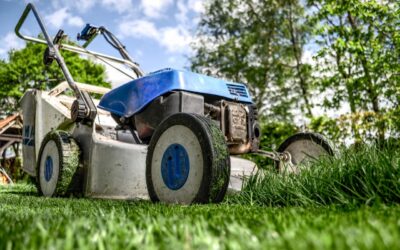
Walk into any home improvement store and mower prices swing from under a hundred dollars to well over five thousand, which leaves a lot of shoppers wondering what they actually need to spend. So how much is a lawn mower? The honest answer is that it depends entirely on your lawn size and the type of mower, with prices ranging from about $90 for a basic reel mower to $6,000-plus for a premium zero-turn. This guide breaks down real price ranges by mower type so you can match your yard to a sensible budget.
The Quick Price Overview by Type
Before diving into details, here is the lay of the land. Mower prices cluster into tiers based on how they are powered and whether you walk or ride.
- Reel (push, manual): $90 to $200
- Gas push mower: $150 to $400
- Self-propelled gas mower: $300 to $800
- Battery/electric push and self-propelled: $250 to $700
- Riding mower (lawn tractor): $1,500 to $3,500
- Zero-turn mower: $2,800 to $6,000+
- Robot mower: $800 to $4,000
Match the tier to your lot size, and you avoid both overspending on capacity you will never use and underbuying a machine that will wear out fighting a yard it was never meant to handle.
Reel and Manual Mowers
The cheapest way to cut grass is a human-powered reel mower, running $90 to $200. These push machines use a spinning cylinder of blades that shear grass with a scissor action, delivering a clean cut with zero fuel, emissions, or noise beyond a soft whir.
Reel mowers make sense for small, flat lawns under about 1,500 square feet where the grass is kept short and cut frequently. They struggle with tall or thick grass and weeds, so they are not for anyone who lets the lawn get away from them. For a tiny urban yard, though, they are inexpensive, maintenance-free, and surprisingly satisfying to use.
Gas and Electric Push Mowers
The workhorse of the American suburb is the walk-behind push mower. Gas versions run $150 to $400, while battery-powered electric models cost $250 to $700 depending on battery capacity.
Gas push mowers deliver reliable power for lawns up to roughly a quarter-acre and cost less upfront, but they require oil changes, spark plugs, air filters, and fuel. Battery mowers cost more initially but eliminate that maintenance, start with a button, and run far quieter. A quality 40-volt or 80-volt battery mower with a 20 to 21-inch deck handles a quarter-acre on a charge, making it a practical pick for most small suburban lots.
Self-Propelled Mowers
Self-propelled mowers add a drive system so the machine pulls itself forward, sparing your arms and legs. They cost $300 to $800 for gas and a bit more for battery versions with the same feature.
The upgrade is worth it for lawns with any slope or for anyone who finds pushing a heavy mower tiring. Look for variable-speed drive so you can match the pace to your walking speed, and front-wheel versus rear-wheel drive matters, rear-wheel drive holds traction better on hills. For a yard between a quarter and a half-acre with some incline, a self-propelled mower is the sweet spot for most homeowners.
Riding Mowers and Lawn Tractors
Once a lawn passes roughly a half-acre, walking behind a mower becomes a chore, and a riding mower earns its keep. Lawn tractors run $1,500 to $3,500 for typical residential models with 42 to 54-inch cutting decks.
These machines chew through large yards quickly and often accept attachments like baggers, mulching kits, and even small utility carts. Engine size, deck width, and transmission type drive the price. A hydrostatic transmission, which lets you change speed smoothly without shifting gears, costs more than a gear-drive but is far more pleasant to operate. For a one to two-acre lot, a lawn tractor in the $2,000 to $3,000 range covers most needs.
Zero-Turn Mowers
Zero-turn mowers are the premium tier, priced $2,800 to $6,000 and up. Their independent-wheel steering lets them pivot in place, dramatically cutting mowing time and improving maneuverability around trees, beds, and obstacles.
For large properties over two acres, or for anyone who values speed and a professional-quality cut, a zero-turn is the fastest way to mow. Residential models start under $3,500, while commercial-grade units with bigger engines, wider decks up to 60 inches, and heavier frames climb past $6,000. If you are mowing several acres weekly, the time savings can make the investment worthwhile despite the steep sticker price.
Robot Mowers
The newest category is the robotic mower, ranging from about $800 to $4,000. These autonomous machines mow on a schedule with no human involvement, using boundary wires or, on newer models, GPS and LiDAR navigation to stay within your yard.
Entry models handle small lots and require a perimeter wire, while premium wire-free units with LiDAR or RTK-GPS navigation manage complex yards up to a half-acre or more. They mulch clippings continuously, which feeds the lawn, and once set up they demand almost no attention. The high price and setup effort are the barriers, but for tech-minded homeowners who want a hands-off lawn, robot mowers are increasingly viable.
Matching Mower Type to Lawn Size
The single best way to avoid wasting money is to match the mower to your actual lot size rather than buying on impulse. Overbuying wastes cash and storage space, while underbuying leaves you fighting an undersized machine every week. Here is a simple pairing guide.
- Under 1,500 sq ft: A reel or basic push mower is plenty.
- 1,500 sq ft to 1/4 acre: A gas or battery push mower.
- 1/4 to 1/2 acre: A self-propelled mower, especially with any slope.
- 1/2 to 1 acre: A high-capacity self-propelled or an entry riding mower.
- 1 to 3 acres: A riding mower or lawn tractor.
- Over 3 acres: A zero-turn mower for speed and efficiency.
Terrain matters too. A hilly quarter-acre may justify a self-propelled or rear-wheel-drive machine even though the square footage alone would suggest a basic push mower. When in doubt, size up slightly for comfort, but resist the temptation to buy a riding mower for a lawn a push mower could handle in twenty minutes.
Total Cost of Ownership Beyond the Sticker
The purchase price is only part of what a mower costs over its life. Factoring in ongoing expenses changes the math, especially between gas and electric.
A gas mower carries recurring costs for fuel, oil changes, spark plugs, air filters, and fuel stabilizer, which can add $50 to $100 per year, plus the occasional carburetor cleaning or repair. A battery mower eliminates nearly all of that, though the batteries themselves eventually degrade and cost $100 to $250 to replace after several years. Riding mowers and zero-turns add more, including drive belts, blades, larger oil capacity, and occasional professional servicing. When you tally a decade of ownership, a mid-priced battery push mower often costs less overall than a cheaper gas unit, which is worth remembering when the higher electric sticker price gives you pause at the store.
What Drives the Price and How to Save
Beyond type, several factors nudge a mower’s price up or down. Keep these in mind when shopping.
- Deck width: Wider decks cut faster but cost more and are harder to maneuver in tight yards.
- Brand and build quality: Premium brands like Honda and Toro cost more but tend to last longer.
- Battery capacity: On electric models, larger batteries and extra packs add meaningfully to the price.
- Features: Electric start, LED lights, cup holders, and cruise control all add cost.
To save, shop in fall when retailers clear inventory, consider a certified refurbished or lightly used machine, and buy only the capacity your lawn needs. So when you ask how much is a lawn mower, start by measuring your lot, then pick the smallest tier that comfortably handles it, and you will spend wisely rather than overbuying.