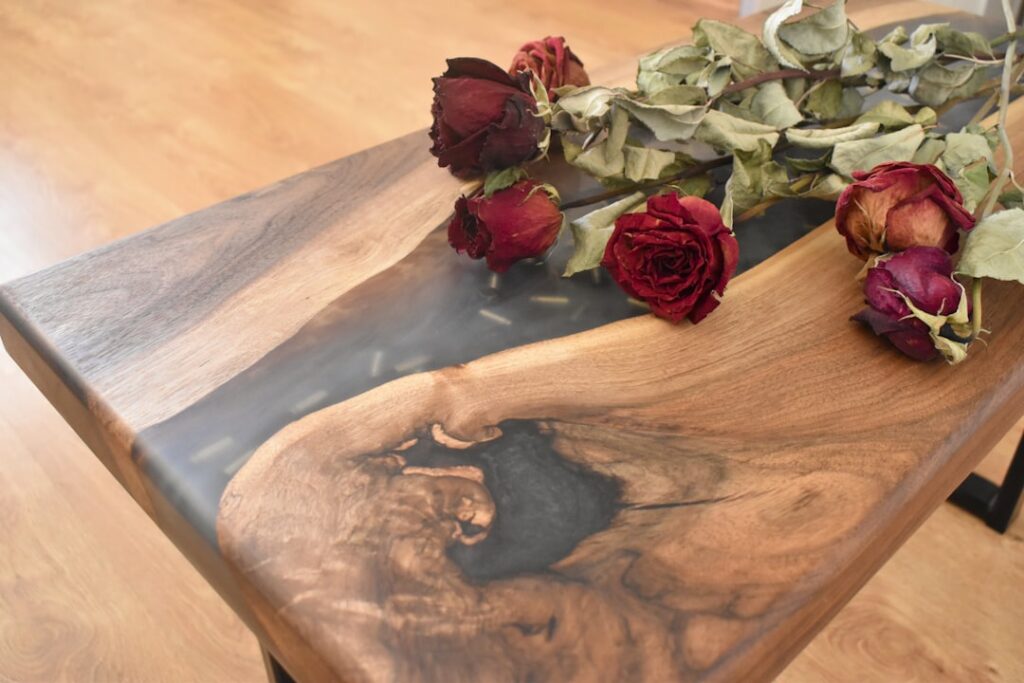
Before you start that river table, bar-top pour, or art project, the first question is usually budget. So how much is epoxy resin, really? The honest answer is that prices swing widely, from modest craft kits to premium deep-pour and UV-stable formulas, because “epoxy resin” covers several distinct products with different chemistries and uses. This guide breaks down realistic price ranges by type and size, plus the factors that move the number up or down, so you can budget your project with confidence.
Why Epoxy Resin Prices Vary So Much
Epoxy resin isn’t a single product. A casting resin for thick pours behaves and costs differently than a thin coating resin, and an art resin formulated to resist yellowing carries a premium. The grade, the brand, the volume you buy, and the special properties all stack onto the price. That’s why you’ll see kits for under $30 and others running well over $200; they’re often not the same kind of resin at all. Understanding which type you actually need is the key to not overspending or buying something that fails.
The Main Types and Their Cost Ranges
Resins are typically sold as a two-part kit, resin plus hardener, in matched volumes. Here are realistic ballpark ranges:
- Art and coating resin: the most common for tabletops, jewelry, and pours up to about 1/4 inch. Often runs roughly $30 to $60 for a 1-quart (32 oz) kit and around $60 to $130 for a gallon kit.
- Casting and deep-pour resin: formulated for thick pours like river tables, where it cures slowly to manage heat. Typically pricier per volume, often around $80 to $200+ per gallon kit depending on depth rating and brand.
- Tabletop and bar-top resin: a durable coating grade, commonly $40 to $90 per quart-to-gallon range.
- Specialty resins: UV-resistant, food-safe-rated, or high-clarity formulas sit at the upper end of each category.
These are general planning figures. Always confirm current pricing for the specific product and size, since costs shift with brand and market.
Buying by Kit, Quart, or Gallon
Volume changes the math. Small starter kits, often a pint or quart, cost more per ounce but make sense for first-timers and small projects. Gallon and multi-gallon kits drop the per-ounce price significantly, which matters fast on big pours that drink resin. A single river table can easily consume several gallons. If you’ll do multiple projects, buying larger usually saves money, but only if you’ll use it before the shelf life runs out, since opened resin degrades over time.
Estimating How Much You Need
Resin is sold by volume, so estimate before you buy to avoid running short mid-pour, which can ruin a project. A rough method:
- For a flat coating, calculate the surface area and the thickness you want, then convert to volume.
- As a rule of thumb, a thin seal-and-flood coat covers more area than a deep casting pour, which fills the full cavity.
- Always mix in a small buffer, ordering a bit extra, since coming up short forces a second batch that may not blend seamlessly.
- Many manufacturers publish coverage calculators; use the one for your specific product.
Factors That Drive the Price Up
Several variables push resin costs higher:
- UV resistance: formulas that resist yellowing in sunlight cost more, but they’re worth it for anything near windows or outdoors.
- Clarity and quality: high-clarity, bubble-resistant, professional-grade resins command a premium over budget craft resins.
- Cure type and depth rating: deep-pour casting resins are engineered for thick layers and slow cures, raising the price.
- Brand reputation: established brands with consistent results and good support charge more than generic options.
- Volume purchased: larger kits lower the unit price but raise the total upfront cost.
Don’t Forget the Hidden Costs
The resin itself is only part of the budget. Plan for supplies that add up quickly: mixing cups, stir sticks, nitrile gloves, a heat gun or torch to pop bubbles, mold-release agent or tape for casting, sandpaper and polish for finishing, and pigments or dyes if you’re adding color. A drop cloth and a dust-free workspace matter too. These extras can add $30 to $100 or more to a first project, so factor them in when you budget.
Tips to Save Money
You can keep costs reasonable without buying junk. Match the resin to the job, don’t pay for deep-pour casting resin if you only need a thin coating. Estimate carefully so you’re not buying excess that expires. Start with a smaller kit for practice before committing to a gallon. And resist the cheapest no-name resins for anything that needs clarity or sun exposure; saving a few dollars on a yellowing, bubble-prone resin often costs more when the project fails.
Cost by Project Type
It helps to think about cost in terms of the project rather than the bottle. Here’s how the spend typically shakes out:
- Small art and jewelry pieces: a starter kit of a pint or quart is usually plenty, keeping resin costs modest at $30 to $60.
- Tabletop or bar-top coating: you’ll likely need a gallon or two of coating resin, landing in the low-to-mid hundreds with supplies.
- River table or deep-pour project: these consume several gallons of pricier casting resin, often pushing total resin spend into the mid hundreds or higher.
- Floor or large surface pours: the most resin-hungry projects, where buying in bulk gallons brings down the unit price but the total still runs high.
Is Cheaper Resin Worth It?
Budget resin has its place, but it’s not always the bargain it looks like. For practice pieces, opaque projects, and items kept away from sunlight, an inexpensive resin can be perfectly fine. The trouble comes with anything that needs to stay clear and beautiful. Cheap resins are more prone to yellowing, bubbles, soft or tacky cures, and uneven results, problems that ruin a project you’ve put hours into. For a showpiece like a river table or a tabletop, paying more for a quality, UV-resistant, professional-grade resin is usually the better value, because a failed pour costs far more than the price difference in wasted material and time.
Final Thoughts
So, how much is epoxy resin? Expect roughly $30 to $60 for a quart of art or coating resin, $60 to $130 for a gallon, and more for deep-pour casting and specialty UV-stable formulas. The smartest move is to identify the right type for your project first, estimate your volume with a small buffer, and budget for the supplies around it. Buy the correct grade in the right amount, and your resin spend will track closely with the size and ambition of what you’re building.