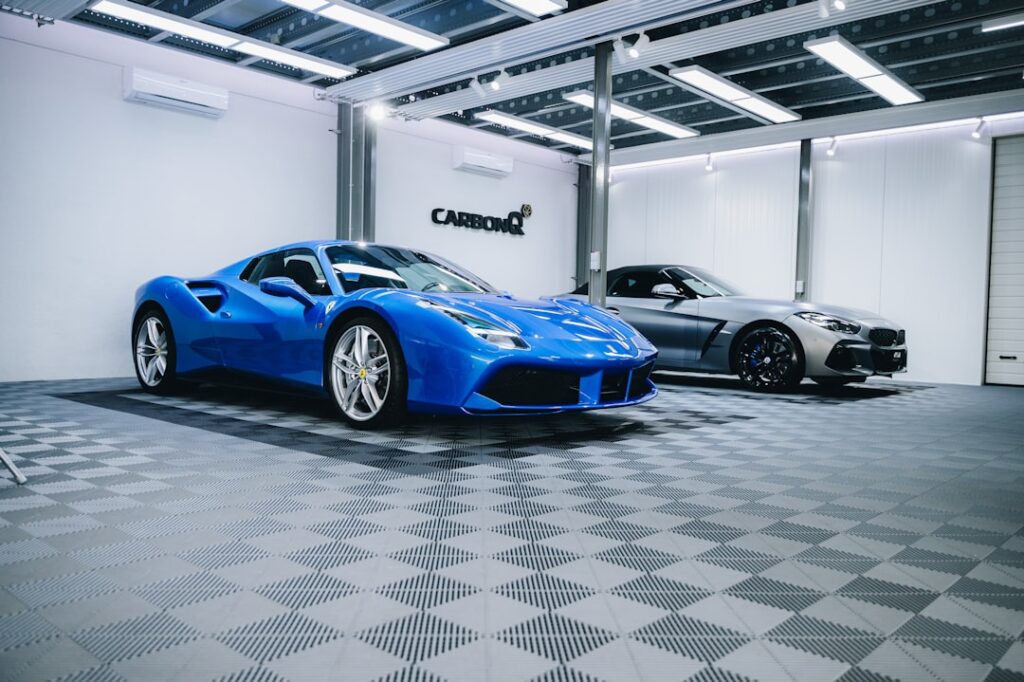
If you are wondering how much to epoxy garage floor space in your home, the honest answer is that it depends on the size of the garage, the quality of the coating, how much prep the concrete needs, and whether you hire a pro or do it yourself. Most homeowners land somewhere between $3 and $12 per square foot installed, which puts a typical two-car garage in the $1,500 to $3,000 range for a professional job.
Part of our Epoxy, Concrete & Garage Floors guide — explore the full guide →
Epoxy transforms a dusty, stain-prone slab into a hard, glossy, easy-to-clean surface. Before you commit, it helps to understand what actually drives the price and where you can save without cutting corners that matter.
- Average Cost to Epoxy a Garage Floor
- DIY vs. Professional Pricing
- What Drives the Price Up or Down
- Types of Epoxy Coatings and Their Cost
- Pros and Cons of Epoxy Flooring
- Prep Work You Cannot Skip
- Is Epoxy Worth the Cost?
- Cost by Coating Layers
- Hidden Costs to Budget For
- How to Save Without Cutting Corners
- Regional and Seasonal Price Factors
- Getting an Accurate Quote
Average Cost to Epoxy a Garage Floor
Pricing is usually quoted per square foot, and the total scales with garage size. Here are realistic ranges for a professionally installed coating:
- One-car garage (250 sq ft): $750 to $3,000
- Two-car garage (400 to 500 sq ft): $1,500 to $6,000
- Three-car garage (600 to 750 sq ft): $2,400 to $9,000
The wide spread reflects coating quality. A basic single-coat DIY kit is cheap; a professional multi-layer system with flakes and a polyurethane topcoat sits at the high end. Knowing how much to epoxy garage floor areas cost starts with deciding which tier you want.
If you’re running out of room even with a clean garage floor, a backyard shed takes the overflow — seasonal gear, tools, lawn equipment. And if you’re parking outside while the garage doubles as a workshop, a carport keeps your car covered without needing a second garage.
We may earn a commission when you purchase through our links.
DIY vs. Professional Pricing
Labor is the biggest variable. Doing it yourself can cut the cost by more than half, but it is physically demanding and unforgiving of prep mistakes.
- DIY kits: $50 to $600 depending on coverage and quality. A good two-part kit for a two-car garage runs $150 to $400.
- Professional labor: Adds roughly $2 to $7 per square foot, covering grinding, materials, and multiple coats with cure time between them.
Pros bring diamond grinders that profile the concrete properly, which is the single biggest factor in whether a coating lasts or peels within a year.
What Drives the Price Up or Down
Two garages of the same size can cost very differently. The main factors are:
- Concrete condition: Cracks, pitting, oil stains, and old coatings all add prep labor and material.
- Coating type: Water-based epoxy is cheapest; 100 percent solids epoxy and polyaspartic systems cost more but last far longer.
- Decorative options: Color flakes, metallic effects, and anti-slip additives raise the price.
- Number of coats: A primer, base, and topcoat system outperforms a single coat but costs more.
- Region and access: Labor rates and moving stored items add to the bill.
Types of Epoxy Coatings and Their Cost
The product you choose shapes both price and lifespan:
- Water-based epoxy: $0.50 to $1.50 per sq ft in material. Thin, easiest to apply, lasts 2 to 5 years.
- Solvent-based epoxy: Tougher and thicker, mid-range price, strong fumes during application.
- 100 percent solids epoxy: $2 to $5 per sq ft in material. The most durable epoxy, best chemical and abrasion resistance.
- Polyaspartic or polyurea: Highest cost but cures fast and resists UV yellowing, often used as a topcoat.
Pros and Cons of Epoxy Flooring
Epoxy is popular for good reasons, but it is not perfect. Weigh both sides:
- Pros: Resists oil, chemicals, and stains; wipes clean easily; brightens the space; hides minor concrete flaws; adds a durable, professional finish.
- Cons: Can be slippery when wet without additives; requires meticulous prep; standard epoxy can yellow in sunlight; hot tire pickup can lift low-quality coatings.
Prep Work You Cannot Skip
Most epoxy failures trace back to poor surface preparation. Whether DIY or pro, the concrete must be clean, dry, and profiled so the coating can bond:
- Remove all oil and grease stains with a degreaser.
- Grind or acid-etch the surface to open the concrete pores.
- Repair cracks and fill pits with patching compound.
- Test for moisture, since a damp slab will cause peeling.
- Let the surface fully dry before applying the first coat.
Is Epoxy Worth the Cost?
For a durable, low-maintenance garage that shrugs off oil drips and looks finished, epoxy delivers strong value, especially the higher-solids systems that last 10 to 20 years. If you park daily and want a floor you can hose off, the investment usually pays back in longevity and resale appeal. If your budget is tight, a quality DIY kit on well-prepped concrete is a reasonable middle path.
Cost by Coating Layers
The number of coats in the system is one of the clearest cost drivers, and it directly affects how long the floor lasts:
- Single-coat DIY kit: The cheapest at $0.50 to $1.50 per square foot in material, but the thinnest and shortest-lived, often 2 to 3 years.
- Two-coat system: A base and topcoat that roughly doubles the film thickness and durability.
- Three or four-coat professional system: Primer, base, flake broadcast, and clear topcoat, running $5 to $12 per square foot but lasting 15 to 20 years.
Paying for more coats up front usually costs less over the life of the floor than redoing a thin single coat every few years.
Hidden Costs to Budget For
The headline price per square foot is not the whole story. Several extras can raise the final bill:
- Crack and pit repair on damaged slabs adds labor and patching material.
- Oil stain removal may require special degreasers or grinding.
- Moisture testing and mitigation if the slab wicks groundwater.
- Moving stored items out of the garage, which some contractors charge for.
- Old coating removal if a previous sealer or paint must come off first.
Getting a contractor to inspect the slab before quoting helps avoid surprise charges once the job is underway.
How to Save Without Cutting Corners
You can keep costs reasonable while still getting a durable floor:
- Clear and clean the garage yourself before the crew arrives.
- Choose a solid color or light flake instead of premium metallic effects.
- Schedule in mild weather so cure times are predictable and efficient.
- Never skimp on grinding, the one step that determines whether the coating bonds.
The smart savings come from doing the simple prep yourself and choosing a modest finish, not from skipping the mechanical surface profiling.
Regional and Seasonal Price Factors
Where you live and when you schedule the work both influence the final cost. Labor rates vary widely by region, so the same two-car garage that costs $2,000 in a lower-cost area might run $3,500 or more in a high-demand metro. Season matters too, because epoxy needs a specific temperature and humidity range to cure properly. Contractors are busiest in spring and fall when conditions are ideal, which can push prices up and lengthen wait times. Scheduling in a slower period, or in a climate-controlled garage that lets the work happen year-round, can sometimes earn a better rate. Always confirm that the installer will monitor slab moisture and ambient conditions, since a coating applied in the wrong conditions may fail regardless of price.
Getting an Accurate Quote
To compare bids fairly and avoid surprises, make sure each quote spells out the same details. Ask every contractor to specify the exact coating system and number of coats, the surface preparation method, whether crack and stain repair is included, the expected cure and downtime, and the warranty offered. A quote that simply lists a low per-square-foot price without naming the coating chemistry or prep method is a red flag, because it often means a thin single coat over lightly etched concrete that will not last. A slightly higher bid that includes diamond grinding, a multi-coat system, and a written warranty almost always delivers better value over the life of the floor. Getting at least two or three detailed, itemized quotes lets you see exactly what you are paying for and choose the option that balances cost with durability.
When budgeting how much to epoxy garage floor space, get at least two written quotes that spell out the coating type, number of coats, and prep method. The cheapest bid often skips grinding, which is exactly the step that determines whether your new floor still looks great five years from now.