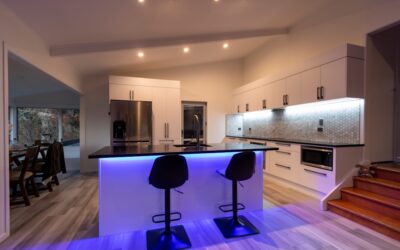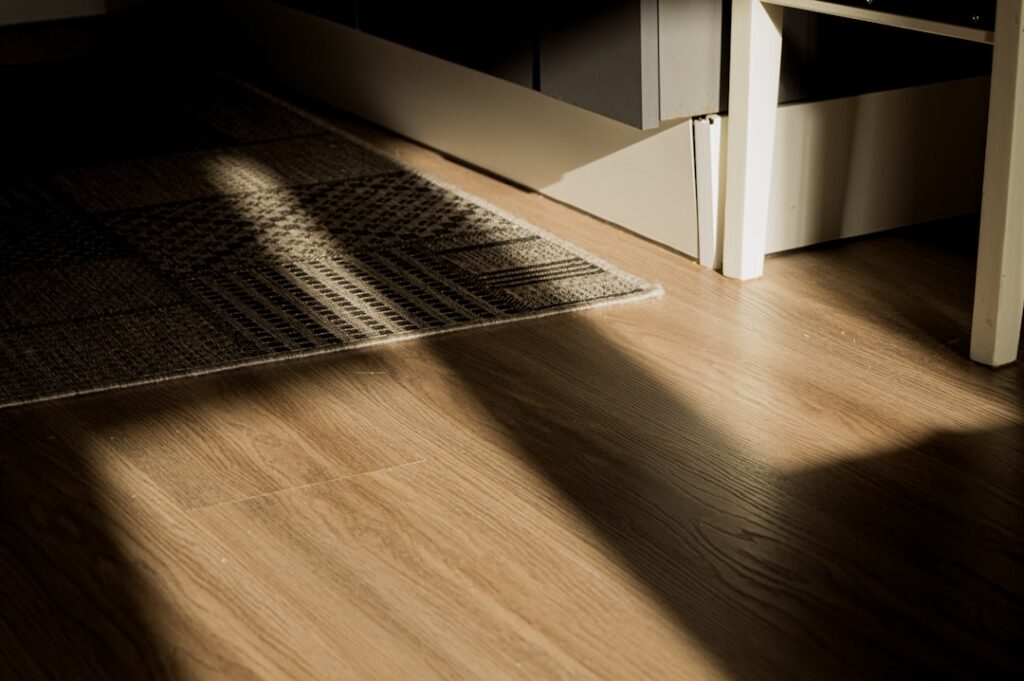
Vinyl plank flooring has surged in popularity because it delivers the look of hardwood with far better water resistance at a lower price, making it a favorite for kitchens, bathrooms, and busy family homes. If you are wondering how much to install vinyl plank flooring, the all-in cost typically ranges from $3 to $12 per square foot including materials and professional labor, with most homeowners spending around $5 to $8 per square foot for a quality mid-grade product properly installed.
- The Full Cost Breakdown
- What Drives the Price
- Types of Vinyl Plank Flooring
- Pros of Vinyl Plank Flooring
- Cons to Consider
- DIY Versus Professional Installation
- Preparing for Installation
- What to Look for When Buying
- Comparing Vinyl Plank to Alternatives
- Maintaining Vinyl Plank for the Long Haul
- Common Installation Mistakes to Avoid
- Final Budget Snapshot
The Full Cost Breakdown
To understand your total, separate material from labor. Vinyl plank material alone runs $2 to $7 per square foot depending on quality and thickness. Professional installation adds roughly $1.50 to $5 per square foot. For a 200-square-foot room, that means material costs of $400 to $1,400 plus labor of $300 to $1,000, for a typical installed total between $700 and $2,400. Larger projects often earn a lower per-foot labor rate.
What Drives the Price
- Plank quality and thickness matter most. Thicker wear layers and rigid cores cost more but last longer.
- Product type ranges from flexible luxury vinyl plank to rigid core options like SPC and WPC, with rigid cores commanding higher prices.
- Subfloor condition affects labor, since uneven floors need leveling before installation.
- Room complexity raises costs in spaces with many corners, closets, or stairs.
- Old flooring removal adds $1 to $3 per square foot if you cannot install over the existing surface.
Types of Vinyl Plank Flooring
Understanding the categories helps you match product to budget. Luxury vinyl plank, or LVP, is the broad category mimicking wood. WPC, a wood-plastic composite core, is softer underfoot and slightly warmer. SPC, a stone-plastic composite core, is denser, more dent-resistant, and excellent over imperfect subfloors. Peel-and-stick vinyl is the cheapest and easiest for do-it-yourselfers but the least durable. Click-lock floating planks are the most common choice for homeowners because they install without glue and float over the subfloor.
Pros of Vinyl Plank Flooring
- Excellent water resistance, with many rigid-core products rated fully waterproof, ideal for kitchens and baths.
- Durable wear layers that stand up to pets, kids, and heavy traffic.
- Comfortable and quieter underfoot than tile, with a warmer surface temperature.
- Realistic wood and stone visuals thanks to high-resolution printing and embossing.
- Relatively easy installation, with click-lock systems suitable for confident do-it-yourselfers.
- Simple maintenance requiring only sweeping and occasional damp mopping.
Cons to Consider
- It cannot be refinished, so a worn plank must be replaced rather than sanded.
- Lower-grade products can dent under heavy furniture or fade in direct sunlight.
- It generally adds less resale value than genuine hardwood.
- As a synthetic product, it is less eco-friendly than natural materials, though many brands now offer low-emission options.
- Very cheap planks can look and feel artificial, so quality matters.
DIY Versus Professional Installation
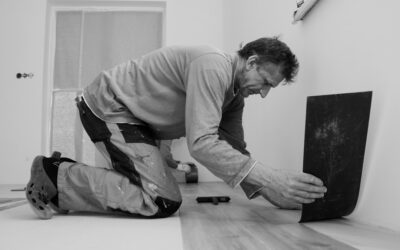
One of vinyl plank’s biggest appeals is that floating click-lock floors are genuinely achievable for a handy homeowner, which eliminates the labor portion of the cost. A motivated do-it-yourselfer can install a room in a weekend with a tapping block, a utility knife, spacers, and a pull bar. That said, professional installation is worth it when the subfloor needs leveling, when you choose a glue-down product, or when the layout involves many cuts around cabinets and doorways. Pros also guarantee their work and finish faster.
Preparing for Installation
Good preparation determines how the finished floor looks and lasts. The subfloor must be clean, dry, and flat, generally within three-sixteenths of an inch over ten feet. Let the planks acclimate in the room for forty-eight hours so they adjust to temperature and humidity. Leave a small expansion gap, usually about a quarter inch, around the perimeter so the floor can move without buckling. Skipping these steps is the most common cause of gaps, peaking, and failed installations.
What to Look for When Buying
Focus on the wear layer thickness, measured in mils, since a thicker wear layer resists scratches and wear. For residential use, look for a wear layer of at least 12 mil, and 20 mil or more for high-traffic homes with pets. Confirm the product is rated waterproof rather than merely water-resistant if you plan to install it in a bathroom or basement. Check the overall plank thickness, the locking system, and whether an attached underlayment pad is included, which can save a separate purchase.
Comparing Vinyl Plank to Alternatives
Against laminate, vinyl plank wins on water resistance, while laminate can feel slightly more rigid and sometimes costs a touch less. Against engineered hardwood, vinyl is cheaper and more waterproof but lacks the authenticity and refinishing potential of real wood. Against tile, vinyl is warmer and softer underfoot and easier to install, though tile lasts longer and resists scratches better. Your choice depends on the room, your budget, and how much moisture the floor will face.
Maintaining Vinyl Plank for the Long Haul
One reason vinyl plank appeals to busy households is how little upkeep it demands, but a few habits keep it looking new. Sweep or dust mop regularly to remove grit, which is the main cause of micro-scratches over time. Damp mop with a cleaner made for vinyl rather than a steam mop, since excessive heat and moisture can weaken the locking joints and adhesive. Place felt pads under furniture legs and use wide, non-staining caster wheels on rolling chairs. Add walk-off mats at exterior doors to catch dirt before it reaches the floor. With this simple routine, a quality plank floor can last twenty years or more.
Common Installation Mistakes to Avoid
Most vinyl plank failures trace back to a handful of preventable errors. Skipping acclimation is the biggest one, since planks installed before they adjust to room conditions can expand or contract and create gaps. Installing over an uneven subfloor telegraphs every bump through the planks and stresses the joints. Forgetting the expansion gap around the perimeter causes the floor to buckle or peak when it expands. Finally, installing a water-resistant rather than fully waterproof product in a bathroom or basement invites moisture damage. Taking time on preparation prevents nearly all of these problems.
Final Budget Snapshot
To plan realistically, measure your square footage, add about ten percent for waste and cuts, and apply an installed rate from the ranges above. A homeowner choosing a durable rigid-core SPC product with professional installation should budget around $6 to $9 per square foot all in. Knowing how much to install vinyl plank flooring upfront keeps your renovation on track, and D and G Flooring can help you compare wear layers, core types, and installed pricing to find the right fit for your home.
Prefer to explore on your own?
See how new flooring looks in your actual room in seconds — free, no signup.
Try the free Floor Studio →